
Whole bean vs ground coffee freshness comes down mainly to exposure: grinding creates more surface area, letting coffee lose aromatic compounds faster. Whole beans suit people who can grind before brewing, while pre-ground coffee offers convenience and can still make a satisfying cup when stored well.
This guide focuses on practical preparation, storage, and brewing choices rather than naming product winners. For method-specific context, see our guide to manual and automatic pour-over brewers.
Understand What Freshness Means
Coffee freshness is not a single date or flavor. Roasted coffee gradually releases carbon dioxide and loses volatile aromatic compounds, which contribute much of its recognizable aroma and flavor.
Grinding accelerates aroma loss because it exposes far more coffee surface to oxygen than intact beans do. This does not make ground coffee unsafe or automatically unpleasant; it means its flavor may change sooner after grinding.
Choose Whole Beans for Control
Whole beans make sense when you own a grinder and can grind shortly before brewing. Grinding at home also lets you adjust particle size for the brew method, an important part of controlling extraction.
That flexibility has costs: a grinder takes counter or cabinet space, needs periodic cleaning, and adds a step to the morning routine. If you brew before others wake, grinder noise may matter as much as flavor control.
Choose Ground Coffee for Convenience
Pre-ground coffee removes equipment and preparation steps, making it a practical choice for shared kitchens, travel, or people who value speed. Buy an amount you expect to use while its aroma remains appealing, rather than stocking a large supply by default.
The tradeoff is less control over grind size and time since grinding. Coffee ground for one method may not suit another: coarse particles are commonly used for immersion brewing, while espresso requires a much finer, carefully adjusted grind.
Match Grind Size to Your Brewer
Grind size affects how quickly water extracts soluble compounds. Too fine a grind can slow flow or encourage over-extraction in some methods; too coarse a grind can let water pass quickly and produce weak extraction.
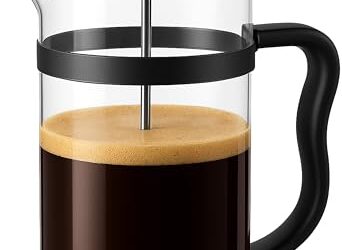
Use a grinder with repeatable adjustments if you want to dial in recipes. For French press, start with a coarse grind; for pour-over, use a medium range as a starting point, then adjust based on drawdown and flavor.
These are starting points, not universal settings. Bean density, roast level, filter shape, water temperature, and pouring technique all influence results, so change one variable at a time when a cup tastes unbalanced.
Check Roast Date and Buy Sensibly
When available, a roast date gives more useful freshness context than a best-by date alone. Coffee needs time to release some carbon dioxide after roasting, but the ideal rest varies with roast, packaging, and brewing method.
A date cannot guarantee a particular cup, and packaging quality also matters. Choose a quantity that matches your household’s use, then seal the remaining coffee promptly after each opening.
Store Coffee Away from Its Enemies
Keep beans or grounds in an airtight container in a cool, dry, dark cupboard. Oxygen, moisture, heat, and light can undermine quality; avoid leaving coffee beside a stove, in sunlight, or in an open bag.
Do not refrigerate an opened container as a routine storage method. Temperature changes can introduce condensation, while nearby food odors may affect coffee; freezing can be considered for longer storage when coffee is sealed carefully and kept dry.
For more immersion-brewing context, our French press brewer guide can help you consider how grind size and brewing workflow fit together. A suitable container matters more than buying elaborate storage gear.
Consider Your Full Daily Routine
Compare convenience against the cost and upkeep of a grinder, not just the coffee bag. If you already own a grinder, whole beans may fit naturally; if not, pre-ground coffee avoids a new purchase and another appliance to clean.
For espresso, grind adjustment is especially important because small changes can alter flow and extraction. For a simple drip machine, ground coffee can be a reasonable fit when its grind suits the brewer and the package is used promptly.
Why You Should Trust Us
This guide separates general coffee principles from individual preferences.
Our recommendations focus on how grinding, storage, and grind size affect a home brewing routine. Treat flavor descriptions as practical guidance, not a guarantee: beans, water, equipment, and personal taste all shape the cup.
Final Thoughts
Choose whole beans if you value grinding shortly before brewing, want control over grind size, and are willing to maintain a grinder. Choose pre-ground coffee if speed, simplicity, or avoiding extra equipment matters more than adjusting the grind yourself.
There is no defensible best overall, best value, or best-use product recommendation because the listed product list is empty. For another brewing perspective, browse our Brewing Methods guides and compare their preparation demands with your own routine.
FAQs
Does whole bean coffee stay fresh longer than ground coffee?
Generally, intact beans lose aromatic compounds more slowly because less surface area is exposed to oxygen. Proper sealing and storage still matter for both forms.
How soon should I use ground coffee after opening?
There is no universal cutoff that guarantees good flavor. Seal the package after use, store it away from heat and moisture, and buy quantities your household can finish while the aroma remains satisfying.
Is pre-ground coffee always stale?
No. Its freshness depends on factors such as time since grinding, packaging, storage, and how long the package stays open. Pre-ground coffee can be convenient and enjoyable when handled well.
Should I grind coffee right before brewing?
Grinding shortly before brewing helps preserve more aroma than grinding far ahead. It also lets you choose a grind size suited to your brewer, though it adds time and cleanup.
Can I use the same grind for every coffee maker?
Usually not. Different brewing methods benefit from different grind ranges because contact time and water flow vary. Start with guidance for your brewer, then adjust based on flow and taste.
Does freezing coffee preserve freshness?
Freezing can help with longer storage when coffee is sealed against air and moisture. Avoid repeatedly opening a cold container, which can expose coffee to condensation as it warms.
What storage container works for coffee?
Use an airtight container kept in a cool, dry, dark place. A complicated container is not essential if the original bag seals effectively and you store it away from heat and light.
What matters most in whole bean vs ground coffee freshness?
Choose according to your grinder access, schedule, storage habits, and need for grind control. Our coffee accessories category covers equipment that may support a more controlled routine.