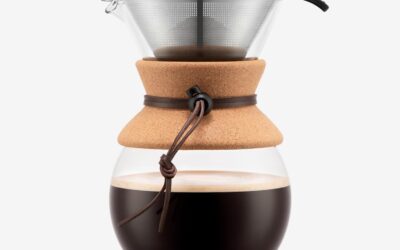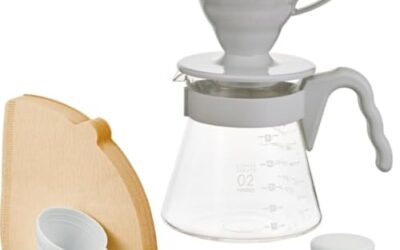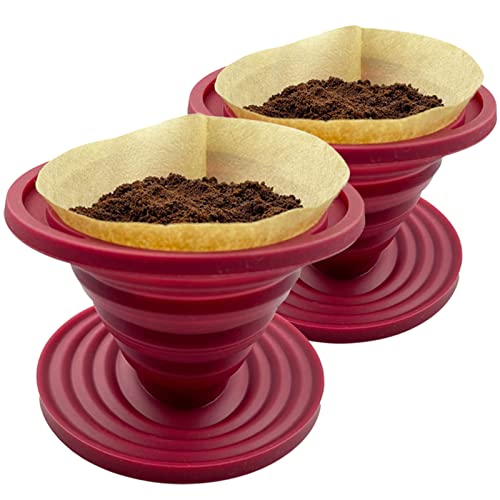

Choosing between plastic, ceramic, and glass affects heat management, durability, visibility, and cleanup during pour over brewing. This plastic vs ceramic vs glass coffee dripper guide separates material behavior from marketing language, helping beginners and experienced brewers choose with clearer priorities.
No product records accompany this comparison, so material recommendations remain conditional rather than product-specific. For filter shape and paper compatibility, compare this guide with our guide to pour over drippers for standard paper filters.
Heat retention and brewing temperature
Plastic usually absorbs less heat from brewing water than thicker ceramic or glass, which can make preheating less important. That behavior may support a steadier slurry temperature, especially when your kettle, coffee dose, and room are already cool.
Ceramic and glass generally benefit from hot-water preheating because their walls can pull heat from the brew. Ceramic suits brewers who accept an extra preparation step, while glass suits anyone who wants visible brewing without opaque walls.
Control over extraction
Material does not determine extraction by itself. Grind size, water temperature, pouring pattern, filter design, brew ratio, and contact time usually have greater influence on whether coffee tastes underdeveloped, balanced, or bitter.
Plastic can reduce one source of temperature loss, giving beginners a simpler starting point for repeatable brewing. Ceramic and glass can produce equally useful brewing control when you preheat consistently and keep other variables stable.
Durability and breakage risk
Plastic normally handles drops and crowded sinks better, making it practical for travel, shared kitchens, and busy morning routines. Its tradeoff is possible staining, odor retention, surface scratching, or material concerns that depend on construction and care instructions.
Glass provides visual appeal and lets you watch drawdown, but impact and sudden temperature changes can cause breakage. Ceramic avoids transparent walls and often feels substantial, yet a fall can chip or crack it, so neither material suits careless storage.
Visibility and workflow
Glass makes it easy to observe blooming, water movement, and the moment brewing finishes. That visibility helps diagnose clogged filters or uneven pouring, but it does not replace measuring coffee, water, or brew time.
Plastic and ceramic hide the bed, so you depend more on a scale, timer, and consistent pouring technique. Choose plastic when speed and portability matter, or ceramic when an opaque, heavier dripper fits your stationary setup.
Cleaning, storage, and long-term ownership
Rinse every dripper promptly, remove trapped grounds, and follow manufacturer care instructions before using detergents or a dishwasher. Plastic may show coffee oils or scratches sooner, while glass and ceramic can require more careful handling around sinks and cabinets.
Who should skip plastic: anyone prioritizing a scratch-resistant, display-friendly brewer without confirming material and care details. Who should skip glass or ceramic: anyone storing equipment in unstable spaces or unwilling to preheat and handle breakable gear carefully.
Filter shape, size, and compatibility
Material comes after fit. Confirm whether a dripper accepts the paper filter shape you already buy, matches your desired batch size, and rests securely on your mug, server, or scale.
Flat-bottom and cone brewers can encourage different bed shapes and flow patterns, but material alone does not identify either design. Our explanation of pour over agitation and extraction control covers how pouring movement changes contact between water and grounds.
Material verdicts by buyer type
Plastic is the strongest overall fit for portability, impact resistance, and lower heat loss during a busy routine. Its limitations include possible cosmetic wear, less visual appeal, and uncertainty when product documentation does not clearly describe care or material composition.
Ceramic is a good fit for a stable home station where appearance, weight, and an opaque brewing bed matter. Skip it when drops are likely, preheating feels inconvenient, or storage space cannot protect fragile equipment.
Glass is the best fit for visual feedback and a clean display, especially when you want to watch drawdown. Skip it when breakage risk, heat loss during setup, or cautious washing would make each brew slower.
Why You Should Trust Us
Our comparison uses the supplied topic, established brewing principles, and clearly stated material tradeoffs rather than unsupported ownership claims. No product specifications, manufacturer documents, or catalog entries were supplied here, so this article does not assign outcomes to named models.
We separate likely material effects from variables that dominate extraction, including grind distribution, water temperature, ratio, agitation, and filter geometry. For broader equipment context, see the pour over coffee makers category and compare workflow before appearance.
Final Thoughts
Best overall material fit: plastic, because lower heat absorption and stronger impact resistance simplify repeatable daily brewing. Best value depends on existing equipment, but plastic often avoids the cost of replacing breakage-prone gear when portability and durability matter.
Best for a specific use: choose glass for visual monitoring, ceramic for a stationary and appearance-focused setup, and plastic for travel or busy kitchens. No product names or Amazon links can be recommended because Products Data contains no products, so any model-specific winner would be invented.
Before choosing, match filter shape, capacity, support stability, care instructions, and storage conditions. Readers comparing glass servers can also use the glass-server pour over guide for a related equipment decision.
FAQs
Does plastic make better pour over coffee?
Plastic can make temperature management easier because it commonly absorbs less heat from brewing water. Cup quality still depends on grind, water, ratio, filter, and pouring technique.
Is ceramic better than glass for coffee drippers?
Neither material wins for every brewer. Ceramic suits stable setups and opaque walls, while glass suits visual monitoring and display appeal, with breakage risks for both.
Should you preheat a ceramic or glass dripper?
Preheating can reduce heat loss when the dripper has substantial ceramic or glass walls. Rinse with hot water carefully, follow care guidance, and avoid abrupt temperature changes that could damage fragile equipment.
Which material is easiest to travel with?
Plastic generally offers the safest travel workflow because it tolerates impacts better than glass or ceramic. Pack any brewer securely, and verify filter availability at your destination.
Does dripper material change coffee flavor?
Material can influence temperature behavior, which may affect extraction consistency, but it does not add a flavor profile by itself. Brewing variables and coffee freshness usually matter more.
What should you check before buying a coffee dripper?
Check filter shape, intended capacity, mug or server fit, base stability, cleaning instructions, and storage needs. Choose material after confirming those practical requirements.
What is the right plastic vs ceramic vs glass coffee dripper choice for 2026?
Choose plastic for durability and simple temperature management, ceramic for a stable home station, or glass for visible drawdown. The right choice depends on workflow, not a universal ranking.
Where can you learn more about pour over equipment?
The brewing methods category provides broader context for selecting equipment, recipes, and maintenance approaches.