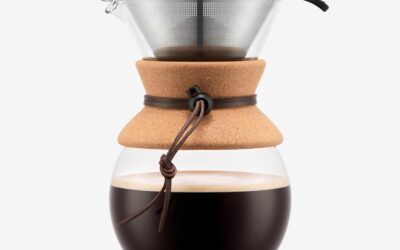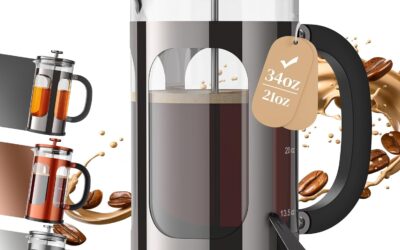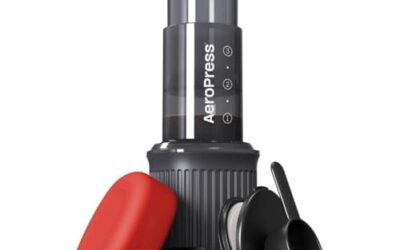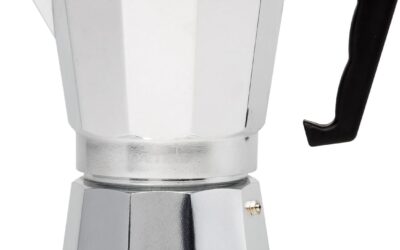

Yes, you can make cold brew with decaf coffee. Use coarse-ground decaf, cold water, and enough steeping time for extraction; caffeine removal does not prevent coffee from brewing.
The main differences come from the beans and roast, not a special decaffeination brewing method. If you are choosing a brewer, start with this cold brew and specialty coffee guide for equipment context.
Choose beans you enjoy drinking
Decaf coffee works in cold brew whether it was processed with water, carbon dioxide, or a solvent-based method. Those processes remove most caffeine, but they do not make coffee caffeine-free or stop its soluble compounds from extracting.
Bean origin, roast level, freshness, and processing can all affect flavor. Cold water often produces a different balance from hot brewing, but it does not guarantee sweetness or eliminate bitterness. Choose decaf whose flavor description suits your preference, then adjust the recipe based on the cup.
Grind coarse and keep it consistent
A coarse, fairly even grind suits immersion cold brew. Fine grounds expose more surface area, which can speed extraction and make filtering harder; they may also leave more sediment in the finished drink.
A burr grinder can help produce more consistent particles, but pre-ground coffee can work if its grind is coarse enough. Avoid assuming every bag labeled for cold brew has identical particle size. If grounds pass through your filter, use a finer filter or let sediment settle before pouring.
Set a starting coffee-to-water ratio
Measure coffee and water by weight for repeatable batches. A practical starting point is one part coffee to eight parts water by weight, such as 50 grams of coffee with 400 grams of water; this is a recipe starting point, not a universal standard.
For stronger concentrate, use more coffee relative to water, then dilute the drink to taste. For ready-to-drink cold brew, use a less concentrated ratio. Record your amounts so you can adjust one variable at a time rather than guessing from batch to batch.
Steep long enough, but avoid treating time as fixed
Combine grounds and cold or room-temperature water, stir gently to wet them, then cover the vessel. A common starting window is roughly 12 to 18 hours, but grind size, coffee, water, and refrigerator temperature change extraction speed.
Taste a small sample as the steep approaches your preferred strength. If it tastes weak or thin, extend the steep modestly next time or use more coffee. If it tastes harsh or overly dry, shorten the steep, coarsen the grind, or reduce the coffee dose.
Filter thoroughly and store safely
Lift out a removable filter or pour the brew through a suitable coffee filter. Do not squeeze a saturated filter aggressively; forcing fine particles through can make the drink cloudy and leave gritty sediment.
Refrigerate finished cold brew in a clean, covered container. It is perishable, and its storage life depends on handling, filtration, and refrigerator conditions, so avoid treating any exact shelf-life claim as guaranteed. Discard it if it develops an unusual smell, appearance, or taste.
Choose equipment around batch size and cleanup
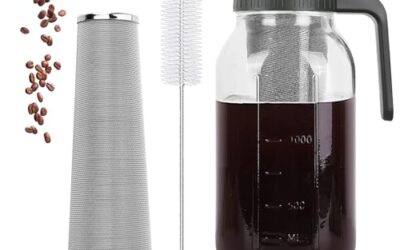
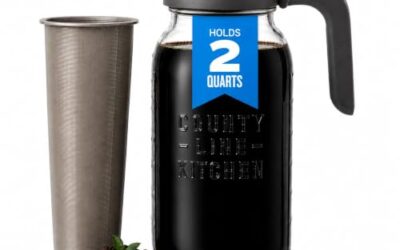
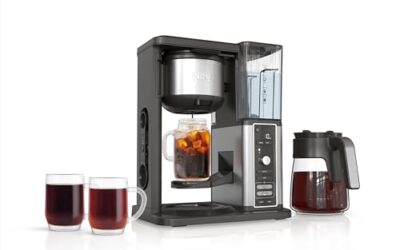
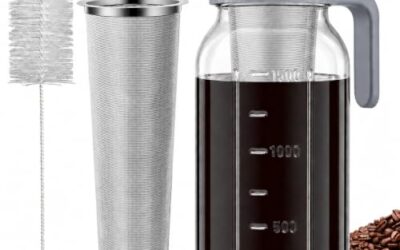
You do not need a dedicated cold brew maker: a clean food-safe jar and a separate filter can work. A purpose-built brewer may simplify straining and storage, while taking up more space and adding parts to wash.
Think about how much you will drink before buying equipment. A large vessel suits planned batches but can occupy refrigerator space; a smaller setup reduces leftovers. Compare those tradeoffs with the practical advice in our cold brew coffee maker evaluation guide.
Why You Should Trust Us
No product specifications or product data were supplied for this guide, so we do not name or rank a brewer. The recommendations here describe brewing principles and practical tradeoffs, not results from hands-on product testing.
Recipe amounts and steeping windows are presented as starting points because coffee, grind, water, and storage conditions vary. We distinguish those general brewing suggestions from product claims and avoid promising a particular flavor or caffeine level.
Final Thoughts
Decaf cold brew is a straightforward option if you want the cold-steeped style without relying on regular coffee. Start with coarse grounds, a measured ratio, and a covered steep; then change one factor after tasting the result.
There is no defensible best overall, best value, or best-use product recommendation here because no products were provided. A jar-and-filter setup may suit occasional small batches, while a dedicated brewer may help frequent brewers who value convenient filtering and storage.
For equipment comparisons, browse our brewing methods category and pour-over brewer guide. Choose based on your batch size, available refrigerator space, filter cleanup, and how often you plan to brew.
FAQs
Does decaf coffee work for cold brew?
Yes. Decaf grounds extract in cold water, so you can use your preferred cold brew method. Start with a coarse grind and adjust strength through the coffee-to-water ratio.
Does decaf cold brew contain caffeine?
Usually, yes. Decaffeinated coffee retains some caffeine, and the amount in a serving varies with the beans, recipe, and serving size. Decaf does not mean caffeine-free.
Should I use a different ratio for decaf?
Not necessarily. Begin with a familiar cold brew ratio, then change the dose if the result tastes too weak or strong. Weighing coffee and water makes adjustments easier to repeat.
How long should decaf cold brew steep?
About 12 to 18 hours is a reasonable starting window for immersion brewing. Taste as it steeps, since grind size, bean choice, and temperature affect extraction.
Can I steep decaf cold brew in the refrigerator?
Yes. A covered vessel in the refrigerator works, though cooler conditions can change how quickly coffee extracts. Allow for a longer steep if the brew tastes weak, rather than assuming one schedule fits every setup.
Can I use finely ground decaf coffee?
You can, but fine grounds may extract faster and pass through some filters, increasing bitterness or sediment. Coarser grounds are generally easier to strain for immersion cold brew.
Is decaf cold brew less bitter?
Not automatically. Perceived bitterness depends on the coffee, grind, ratio, steep, and dilution. Adjust those variables if the cup tastes harsh; decaffeination alone does not guarantee a smoother result.
How should I store decaf cold brew?
Keep it covered and refrigerated in a clean container, and make batches you can use promptly. For brewer and storage considerations, see this cold brew maker guide.