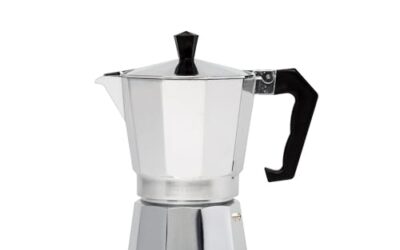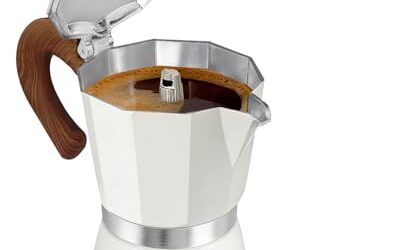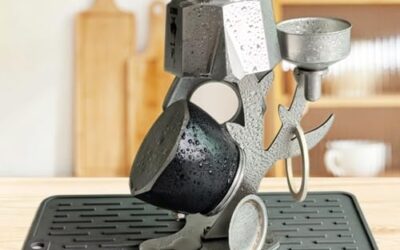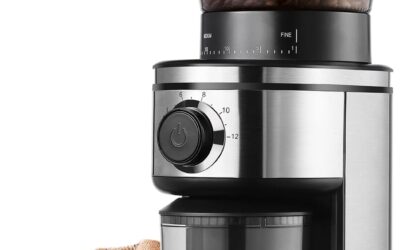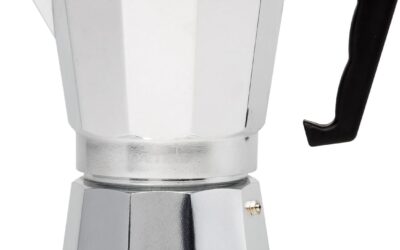

Moka pot cup sizes explained starts with one useful distinction: a labeled cup is usually a small coffee serving, not a full US mug. Choose capacity based on how much brewed coffee you drink at once, since most moka pots work best when filled to their intended level.
No product data was supplied for this guide, so there are no model rankings or product-specific recommendations. For broader stovetop brewer context, browse the moka pot category and compare capacity against your daily routine.
Start with the maker’s meaning of “cup”
Moka pot makers commonly use “cup” for a small serving, often closer to an espresso-sized portion than a typical American coffee mug. The exact volume varies by brand and model, so treat cup counts as a comparison guide, not a universal measurement.
Check the manufacturer’s stated capacity in milliliters or fluid ounces when available. That figure is more useful than cup count when you want to estimate how much coffee will reach your cup.
Match capacity to servings, not mug labels
Estimate your usual drink by measuring the amount of brewed coffee you pour into your mug. A large mug may hold several small moka servings, especially if you drink the coffee straight rather than diluting it with hot water or milk.
For shared coffee, consider how many people drink moka coffee at the same time. A larger pot can reduce repeated brewing, but it may produce more coffee than a single drinker wants.
Understand why filling instructions matter
Traditional moka pots are designed to brew with water in the lower chamber up to the safety valve and ground coffee filling the basket loosely. The basket and chamber sizes are matched, so brewing a much smaller batch in a larger pot is not always straightforward.
Do not tamp the grounds as you might for espresso. Compacted coffee can obstruct water flow and raise pressure; follow the maker’s instructions for filling and assembly.
Account for the strength and style of your drink
Moka coffee is concentrated compared with typical drip coffee, but it is not espresso made under the same pressure. You can serve it in smaller portions, dilute it with hot water, or add milk, depending on how you like to drink it.
That serving choice changes the capacity you need. Someone making one small cup may prefer a smaller brewer, while a person preparing multiple milk drinks may value a larger batch.
Consider heat source and daily workflow
Before buying, confirm that the pot’s materials and base are compatible with your cooktop. Some stovetops, including induction, require an induction-compatible pot or a suitable adapter; check product documentation rather than assuming compatibility.
A larger brewer can take longer to heat because it holds more water and coffee, though actual timing depends on the stove and technique. For a compact daily setup, compare pot dimensions with available burner and cabinet space.
Plan for cleaning and replacement parts
Moka pots need routine rinsing and drying, plus occasional attention to the filter, gasket, and safety valve. Check the manufacturer’s care guidance, since materials and cleaning recommendations differ across models.
Before choosing an uncommon size, look for replacement gaskets and filters that match that exact model. Availability of compatible parts can affect long-term convenience more than a small difference in stated capacity.
How to estimate your moka pot serving size
Use a kitchen measuring cup to check your usual coffee serving, then compare that amount with the brewer’s documented output capacity. Remember that listed chamber capacity may describe water added, while brewed output can be lower because some liquid remains in the pot.
For a quick example, if your regular drink uses about six fluid ounces of brewed coffee, do not assume a six-cup moka pot produces six standard cups. Look for a model’s stated output volume and decide whether you want one serving, multiple servings, or room to dilute.
For gift ideas and a different way to compare stovetop options, see the moka pot gifting guide. Its product coverage is separate from this capacity explanation.
Why You Should Trust Us
We explain moka pot sizing through the practical distinction between labeled servings, stated capacity, and the amount you pour into a mug. No product specifications or hands-on results were provided for this guide, so we do not rank individual models or claim measured performance.
Capacity labels and care instructions can vary by manufacturer. Confirm measurements, cooktop compatibility, filling guidance, and replacement-part fit with the documentation for the specific pot you are considering.
Final Thoughts
Choose moka pot size by your usual brewed volume and number of servings, not by assuming each labeled cup equals a full mug. A smaller pot can suit one person who wants a concentrated serving; a larger one can suit households making several drinks together.
No products were supplied, so this guide cannot name a best overall, best value, or specific-use model responsibly. Compare documented output, cooktop fit, cleaning instructions, and replacement-part availability before choosing; the brewing methods category offers context across other ways to make coffee.
FAQs
How many ounces are in one moka pot cup?
There is no single standard volume for a moka pot cup. Check the brewer’s stated capacity in fluid ounces or milliliters, because serving labels differ among manufacturers.
Does a moka pot cup mean a full coffee mug?
No. A moka pot cup generally refers to a smaller serving, so one labeled cup may fill only part of a standard US mug.
How do I choose the right moka pot size?
Measure your usual brewed serving and consider how many people you make coffee for at once. Then compare that need with the model’s stated output, not cup count alone.
Can I make half a batch in a moka pot?
Many traditional moka pots are designed for a full basket and a specific water level. Check the manufacturer’s instructions before attempting a smaller batch; the pot may not brew as intended when underfilled.
Can I use less coffee in a larger moka pot?
Follow the maker’s basket-filling guidance and do not tamp the grounds. Using substantially less coffee than the basket is designed for can change how water passes through the coffee.
Is moka pot coffee the same as espresso?
No. Moka pots brew concentrated coffee using stovetop pressure, but they do not operate like espresso machines. The drinks can be used differently, but the brewing methods are distinct.
Should I choose a larger moka pot for milk drinks?
Possibly, if you regularly prepare multiple drinks or want more brewed coffee before adding milk. Base the choice on your actual serving volume, and remember that a larger pot may make more coffee than one person needs.
How do I know whether a moka pot works on induction?
Check the product documentation for explicit induction compatibility. If your chosen pot is not compatible, an adapter may be an option only if its manufacturer and the cookware maker permit that setup.
Where can I compare moka pot options?
Start with the moka pot category, then verify each model’s capacity, materials, cooktop compatibility, and care requirements in its official documentation.