For a balanced pot, the ideal water temperature for drip coffee is generally 195°F to 205°F when water contacts the grounds. That range is a useful starting point, not a promise of perfect flavor: grind size, coffee dose, water quality, and brew time all affect extraction.
This guide explains how to prepare, brew, and troubleshoot coffee when temperature is a concern, plus what to consider in a brewer or kettle. Compare 2 options below, then explore our guide to coffee for pour-over brewers for more on beans and filters.

Pros
- Integrated lid thermometer for temperature monitoring
- Works on induction cooktops
- Controlled gooseneck water flow rate
- Durable 304 stainless steel build
Cons
- Requires manual heat source monitoring
- Lacks auto shutoff feature
- Limited capacity for large batch brewing
Specifications
| Color | Silver |
|---|---|
| Size | 35 fl oz |
| Dimensions | 10.15 x 5.6 x 5.2 inches |
| Weight | 1.16875 pounds |
| Product Group | Kitchen |
| Binding | Kitchen |
Verify the current product variation before purchase; specifications may change.
Detailed Review
Key features from the product listing:
- Built-in lid thermometer tracks precise brew water temperatures
- Gooseneck spout delivers controlled 2.5mm per second flow rate
- Triple-layer base works across gas, electric, and induction stovetops
- Food-safe 304 stainless steel body resists rust and scale
- Compact 34oz capacity handles single or multi-cup manual extractions

Pros
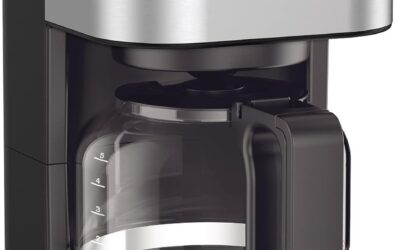
- High 14-cup brewing volume
- Adjustable hot plate with three heat settings
- Pre-infusion bloom cycle for balanced extraction
- Reusable filter and charcoal water pod included
- Generous five-year manufacturer warranty
Cons
- Glass carafe prone to breakage if mishandled
- Tall 14.5-inch profile may challenge low cabinets
- Fixed water reservoir requires manual carafe pours
Specifications
| Color | Midnight |
|---|---|
| Size | 72 oz |
| Dimensions | 12.13 x 6.5 x 14.45 inches |
| Weight | 6.44 pounds |
| Product Group | Kitchen |
| Binding | Kitchen |
Verify the current product variation before purchase; specifications may change.
Detailed Review
Key features from the product listing:
- Generous 14-cup glass carafe accommodates large families and entertaining without frequent rebrewing
- Pre-infusion blooming cycle and wide showerhead saturate grounds evenly for balanced extraction
- Dedicated small-batch mode optimizes contact time when brewing 1 to 4 cups
- Customizable hot plate offers three temperature levels and keeps coffee warm for up to three hours
- Internal mixing funnel continuously distributes coffee to prevent dense layers from settling at the bottom
- Integrated charcoal water filter and reusable gold-tone mesh reduce reliance on paper filters and improve water purity
Best For / Avoid If
Best for buyers prioritizing
- High 14-cup brewing volume
- Adjustable hot plate with three heat settings
- Pre-infusion bloom cycle for balanced extraction
Consider another option if
- Glass carafe prone to breakage if mishandled
- Tall 14.5-inch profile may challenge low cabinets
- Fixed water reservoir requires manual carafe pours
Start with the brewing range, not boiling water
A practical target is 195°F to 205°F at the point water reaches the coffee bed. Water substantially cooler can extract more slowly and may leave a cup tasting sour or thin, while excessive heat can contribute to harsh flavors, though neither result is caused by temperature alone.
For a manual pour-over, bring water to a boil, then let it cool briefly or use a thermometer to check it. At higher elevations, water boils at a lower temperature, so a kettle that simply heats to boiling may not reach the usual brewing range.
Check how a drip brewer manages heat
With an automatic drip machine, the heating system determines the temperature delivered during brewing. A specification about a warming plate describes holding brewed coffee warm, not necessarily the temperature of water flowing over the grounds.
Look for clear manufacturer information about brewing temperature or a temperature-control feature if that is central to your purchase. When the manufacturer does not specify a brewing temperature, consider other practical features and avoid treating a hot carafe as evidence of hotter extraction.
Choose control that matches your brewing routine
A gooseneck kettle gives you more control over pour direction and flow, which can help distribute water deliberately in a manual filter. It does not automatically regulate water temperature; a thermometer or temperature-control function is still needed to target a specific heat.
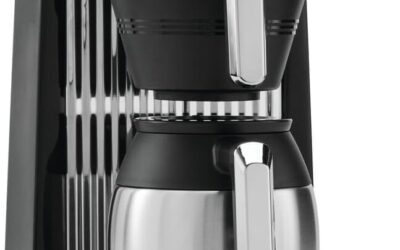
The Coffee Gator Gooseneck Kettle with Thermometer is described by its brand as a stovetop kettle with a thermometer, stainless steel construction, and a gooseneck spout. Its manual heating approach offers pour control, but requires attention while heating and is not a substitute for an automatic drip machine.
Keep dose, grind, and water consistent
Temperature is easier to assess when other variables stay steady. Measure coffee and water consistently, use a grind suited to your filter brewer, and change one factor at a time; otherwise, a flavor shift may be difficult to trace.
If coffee tastes sour or weak, check whether the grind is too coarse, the dose too small, or the brew unusually quick before raising temperature. For a bitter or dry cup, consider a finer grind, a longer brew, or an overly strong dose before lowering heat.
Match batch size and features to daily use
The Chefman Caffeinator Programmable Drip Coffee is described as a 14-cup brewer with Classic and Bold settings, a 1-to-4-cup mode, and a programmable timer. Its smaller-batch setting may suit households that alternate between brewing for one person and making a larger pot.
Chefman also lists a reusable filter, a charcoal water-filter assembly, and a warming plate with adjustable settings and up to three hours of heating. Those are workflow features, not proof of a particular brewing temperature; confirm temperature details with the manufacturer if precise control is essential.
Maintain equipment and verify your method
Mineral buildup can interfere with a brewer’s water path and heating system over time. Follow the machine’s care instructions and use an appropriate descaling routine; a kettle can also collect scale, especially where tap water is mineral-rich.
For a temperature check, measure water near the point of brewing with a suitable thermometer rather than assuming the reservoir or warming plate reflects brew heat. Clean equipment and repeatable measurements make adjustments more useful. See our steps for cleaning a coffee maker after storage before restarting an unused machine.
Why You Should Trust Us
We assess these choices by separating brewing principles from features manufacturers describe. Temperature guidance here is presented as a practical range, while claims about specific controls, capacity, and included components are attributed to the brands.
Where a specification is not stated, we do not infer it from a product name or feature. Our recommendations weigh the intended brewing method, convenience, control, and maintenance, so readers can decide which tradeoffs fit their own kitchens.
Final Thoughts
For an automatic brewer with flexible batch sizes and scheduled brewing, the Chefman Caffeinator Programmable Drip Coffee is our best overall fit among these options. Its listed small-batch mode, strength settings, and adjustable warming plate offer useful flexibility, but the available feature description does not establish a specific brew temperature. Pros include capacity and programmability; cons include reliance on preset controls rather than clearly listed user-set brew heat. Who should skip it: anyone requiring documented, adjustable brewing temperature.
For a lower-cost way to manage manual pouring, the Coffee Gator Gooseneck Kettle with Thermometer is the value pick and the specific-use choice for pour-over brewing. Its thermometer and gooseneck design support temperature awareness and controlled pouring, but stovetop heating takes attention and does not automate a full drip cycle. Pros include pour control and an included thermometer; cons include manual heating and no stated automatic temperature setting. Who should skip it: shoppers who want a programmable, push-button coffee maker.
Neither option is a universal answer to the ideal water temperature for drip coffee: the Chefman brewer prioritizes routine convenience, while the Coffee Gator kettle suits hands-on pouring. Browse the drip coffee makers category or learn how to keep drip coffee hot without burning it if serving temperature is your bigger concern.
FAQs
What is the ideal water temperature for drip coffee?
A useful target is 195°F to 205°F when water contacts the grounds. Treat it as a starting range and adjust other brewing variables if the cup tastes unbalanced.
Should I use boiling water for drip coffee?
Not necessarily. Boiling water can exceed the usual target, and at higher elevations it boils at a lower temperature; check the temperature rather than relying on the visual cue alone.
Does a coffee maker’s warming plate control brew temperature?
No. A warming plate heats brewed coffee in the carafe, while brew temperature concerns water passing through the grounds. Check the manufacturer’s specifications for information about brewing heat.
Can water that is too cool make coffee taste sour?
Cool water may extract coffee more slowly and contribute to a sour or weak result. Grind size, coffee dose, and brew time also matter, so change one variable at a time.
Does a gooseneck kettle control water temperature?
A gooseneck spout primarily helps control pouring. A thermometer lets you check temperature, but unless the kettle has a stated temperature-control function, it does not hold or select a precise setting automatically.
Is temperature more important than grind size?
Neither works in isolation. Temperature and grind both influence extraction, so use a suitable grind and consistent dose before making small temperature adjustments.
How can I check my drip brewer’s water temperature?
Use a suitable thermometer to measure water near the brewing point, following a method that avoids hot-water splashes. Consult the manufacturer’s instructions, and do not assume a warming plate reading represents brew heat.
How often should I descale a drip coffee maker?
Follow the brewer’s care instructions and account for how often you brew and your water’s mineral content. For a clean restart after a long break, use our coffee maker cleaning guide.