
Backflushing is a maintenance routine for espresso machines designed to route water back through the group and its three-way valve. The right method depends on your machine, so check its manual before choosing a blank disc or adding cleaner.
This guide explains how to backflush an espresso machine, what the cycle does, and where a cleaning disc fits into the process. For the espresso workflow around maintenance, see our guide to making espresso with pre-ground coffee.
The comparison below includes 2 backflush accessories. Compatibility matters more than appearance: a disc must fit the basket and portafilter, while your machine must support backflushing.
Pros
- Durable metal construction
- Fits standard 58mm commercial portafilters
- Straightforward drop-in installation
- Enables thorough three-way valve maintenance
Cons
- Incompatible with smaller sub-58mm group heads
- Only functions on machines with pressure relief valves
- Requires separate espresso cleaning detergent
Specifications
| Size | 58-Milimeter |
|---|---|
| Dimensions | 2.72 x 2.72 x 0.67 inches |
| Weight | 0.05 pounds |
| Product Group | Kitchen |
| Binding | Kitchen |
Verify the current product variation before purchase; specifications may change.
Detailed Review
Key features from the product listing:
- Solid metal build withstands repeated high-pressure cleaning cycles
- Standard 58-millimeter diameter fits commercial and prosumer portafilters
- Redirects water flow to clear coffee oil buildup from three-way valves
- Drop-in disc design seats cleanly into standard portafilter baskets
- Corrosion-resistant finish handles specialized espresso machine detergents
Best For / Avoid If
Best for buyers prioritizing
- Durable metal construction
- Fits standard 58mm commercial portafilters
- Straightforward drop-in installation
Consider another option if
- Incompatible with smaller sub-58mm group heads
- Only functions on machines with pressure relief valves
- Requires separate espresso cleaning detergent

Pros
- Durable food-grade silicone build
- Exact fit for 54mm Breville baskets
- Reusable and easy to rinse clean
- Works with standard espresso detergent tablets
Cons
- Incompatible with 58mm groupheads
- Lacks integrated pull tab for basket removal
- No printed usage guide included
Specifications
| Color | Black |
|---|---|
| Size | 1 Count (Pack of 1) |
| Weight | 0.0440924524 Pounds |
| Product Group | BISS |
Verify the current product variation before purchase; specifications may change.
Detailed Review
Key features from the product listing:
- Solid center silicone design forces water through solenoid valve for thorough grouphead cleaning
- Food-grade heat-resistant silicone withstands repeated high-temperature backflush cycles
- Direct fit for Breville 54mm portafilters including Barista Express, Touch, Pro, and Bambino
- Recessed surface holds standard espresso cleaning tablets securely during chemical maintenance
- Flexible material allows fast insertion and removal from portafilter baskets
Best For / Avoid If
Best for buyers prioritizing
- Durable food-grade silicone build
- Exact fit for 54mm Breville baskets
- Reusable and easy to rinse clean
Consider another option if
- Incompatible with 58mm groupheads
- Lacks integrated pull tab for basket removal
- No printed usage guide included
1. Confirm that your machine supports backflushing
Backflushing is intended for machines with a three-way valve or a manufacturer-specified cleaning cycle. The valve releases pressure and directs water away from the group after brewing, which lets a blank disc create the resistance needed for the cleaning routine.
Do not assume every espresso machine can use this method. Check the manual for the terms “backflush,” “blind basket,” or “cleaning cycle”; if the manufacturer does not authorize it, use its stated cleaning procedure instead.
2. Match the disc to the portafilter
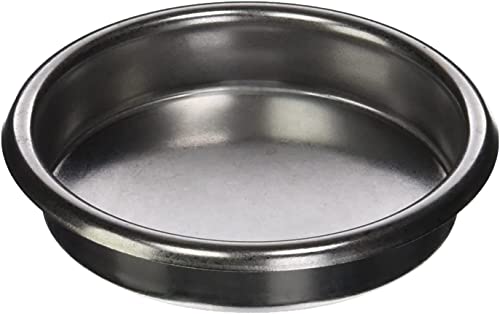
A backflush disc, also called a blind insert, blocks the basket’s normal outlet. It may be a separate metal insert or a flexible disc placed in the portafilter basket. Fit and diameter matter: an insert that is too large or small may not seat correctly.
The Espresso Supply 58-Milimeter Backflush Insert is described as a metal insert placed in a portafilter. Its stated 58-millimeter size suggests a fit for compatible 58-millimeter baskets, but confirm your basket dimensions and machine instructions before ordering.
The USEAMIE Espresso Backflush Cleaning Disc is silicone and described for several Breville and Sage models, including selected 54-millimeter machines. The maker also names some other machines, but that broad compatibility claim should not replace checking your exact model and basket size.
3. Decide whether to use espresso machine cleaner
Water-only backflushing can help rinse loose residue, while a suitable espresso machine detergent is intended to break down coffee oils. Use cleaner only when the machine manual calls for it, and follow the detergent label for dosing and rinsing.
Do not substitute dish soap, vinegar, or descaling solution. These products are not interchangeable: detergent targets coffee oils, while descaler addresses mineral buildup in the water path. For additional machine upkeep, consult our espresso machine care and equipment category.
4. Prepare the machine and work area
Empty the portafilter, remove any spent coffee, and make sure the drip tray is in place. If the machine has been used, allow hot components to cool as directed by its manual; water released during cleaning can be hot.
Place the blank disc in the basket, lock the portafilter into the group, and keep hands clear of the outlet and drain area. A snug, correctly seated portafilter helps prevent leaks, but do not force it into the group.
5. Run the machine’s specified cleaning cycle
Use the machine’s programmed cleaning cycle if it has one. For a manual routine, follow the sequence and run duration in the manual rather than relying on a generic number of seconds or pump pulses.
Some manuals specify repeated short pump runs followed by pauses, allowing pressure to build and release. Others use a dedicated cleaning mode. Stop if the machine behaves unexpectedly, leaks, or displays an error, then consult its troubleshooting instructions.
6. Rinse thoroughly and verify the result
If detergent was used, remove the portafilter and rinse the basket and disc. Run the manual’s detergent-free rinse cycle until no cleaner remains; follow any stated number of rinse cycles rather than guessing.
Wipe the group area with a clean, damp cloth and check that the portafilter, basket, and drip tray are clean. If coffee residue or detergent remains, repeat the appropriate rinse step before brewing.
Why You Should Trust Us
We focus on the practical differences that affect fit, cleaning, and daily use, while separating product claims from general maintenance guidance. Machine-specific instructions take priority because backflush cycles and approved cleaners vary by model.
Product descriptions identify the Espresso Supply insert as metal and 58 millimeters, and the USEAMIE disc as reusable silicone intended for listed machine families. Those details help narrow a choice, but they do not establish universal compatibility or a cleaning result.
Final Thoughts
For a compatible 58-millimeter setup, the Espresso Supply 58-Milimeter Backflush Insert is the more straightforward option: its metal construction and stated portafilter use are simple to understand. Its limitation is equally important: the size does not make it suitable for every machine. Who should skip it: owners whose baskets do not match its size or whose manuals prohibit backflushing.
The USEAMIE Espresso Backflush Cleaning Disc is a reasonable specific-use choice if your exact Breville or Sage model accepts its silicone disc and cleaning tablets. Its reuse and stated model compatibility may suit that workflow, but the wide compatibility list should be verified against your manual. Who should skip it: owners of unlisted models or anyone unable to confirm basket fit.
Neither accessory is a universal best overall choice without knowing your machine. Choose by confirmed fit first, then by material preference and whether your machine’s cleaning routine uses a tablet. For shot variables that affect the cup, see our comparison of ristretto, espresso, and lungo ratios.
FAQs
How often should I backflush an espresso machine?
Follow the cleaning schedule in your machine manual. Frequency can depend on use and whether the manufacturer separates water-only rinsing from detergent cleaning.
Can I backflush with water only?
Some machines allow a water-only backflush, while detergent cleaning may be recommended for coffee oils. Use the method and frequency specified for your model.
Can every espresso machine be backflushed?
No. The machine needs the appropriate internal design and manufacturer approval. If the manual does not describe backflushing, do not assume a blind disc is safe to use.
What is the difference between a blind basket and a backflush disc?
Both block the usual basket outlet to create resistance during a cleaning cycle. A blind basket replaces the basket, while a disc or insert sits inside a compatible basket.
Can I use a 58-millimeter insert in a 54-millimeter portafilter?
Do not assume they are interchangeable. Check the basket’s specified size and the insert’s fit; a mismatched accessory may not seat correctly.
Can I use descaling solution for backflushing?
No, unless the manufacturer explicitly instructs you to do so. Descaler targets mineral buildup and is different from espresso detergent used to address coffee oils.
What if water leaks around the portafilter during cleaning?
Stop the cycle and check that the disc is seated and the portafilter is correctly locked, without forcing it. Consult the machine manual if leaking continues.
Does backflushing replace descaling?
No. Backflushing addresses residue around the group and valve, while descaling concerns mineral deposits inside water pathways. Follow separate manufacturer schedules for each task.
What should I do after backflushing?
Rinse the disc, basket, and group area, then complete any rinse cycle required by the manual. Keep up with routine care described in our coffee accessories category and your machine’s care guide.