Freshly roasted coffee grounds naturally release trapped carbon dioxide when hot water touches them. Without an intentional pause to vent this gas, water channels unevenly through the bed and leaves valuable flavors unextracted in your cup.
Investing in the best coffee maker with bloom cycle mechanics ensures your coffee bed saturates evenly before the primary brew volume begins. To help you match equipment to your daily morning routine, we evaluated 2 strong candidates featured across our broader drip coffee makers coverage.

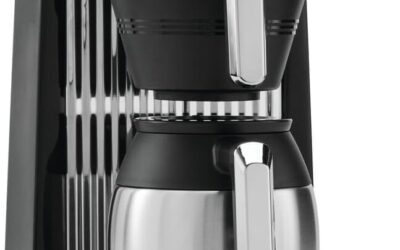
Pros
- Versatile brew styles and sizes
- Built-in milk frother for coffeehouse drinks
- Removable water reservoir for easy filling
- Dishwasher-safe components for quick cleanup
- No pods required, reducing waste
Cons
- No thermal carafe option for heat retention
- Manual operation without programmable delay brew
- Limited to 10-cup capacity for larger gatherings
Specifications
| Color | Black |
|---|---|
| Size | 10 Cup |
| Dimensions | 11.99 x 8.75 x 15.04 Inches |
| Weight | 9.24 pounds |
| Product Group | Kitchen |
| Binding | Kitchen |
Verify the current product variation before purchase; specifications may change.
Detailed Review
Key features from the product listing:
- Four brew styles for personalized coffee: Classic, Rich, Over Ice, and Specialty Brew
- Specialty Brew creates a super-rich concentrate for lattes and cappuccinos
- Built-in fold-away frother froths hot or cold milk, including non-dairy alternatives
- Six brew sizes from a single cup to a full 10-cup carafe for any occasion
- Over Ice brew delivers bold, never-watered-down iced coffee
- Removable 40-oz water reservoir for easy sink filling without moving the whole machine
Best For / Avoid If
Best for buyers prioritizing
- Versatile brew styles and sizes
- Built-in milk frother for coffeehouse drinks
- Removable water reservoir for easy filling
Consider another option if
- No thermal carafe option for heat retention
- Manual operation without programmable delay brew
- Limited to 10-cup capacity for larger gatherings
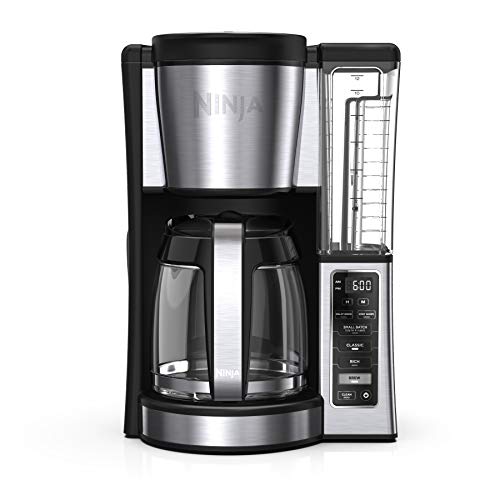
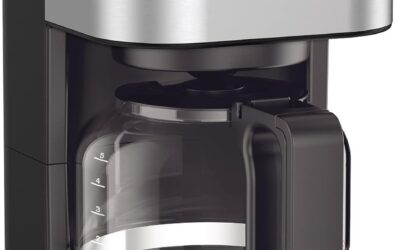
Pros
- Consistent hot coffee from any batch size
- Easy-to-use programmable controls with delay brew
- Removable water reservoir simplifies filling
- Reusable filter and included scoop reduce waste
- Mid-brew pause for quick cup access
Cons
- Plastic build may feel less premium than metal
- Carafe lid gap can cause steam burns on large hands
- No built-in grinder or single-serve option
Specifications
| Color | Stainless Steel |
|---|---|
| Size | 12 Cup |
| Dimensions | 10.5 x 9.9 x 14.6 inches |
| Weight | 6.55 pounds |
| Product Group | Kitchen |
| Binding | Kitchen |
Verify the current product variation before purchase; specifications may change.
Detailed Review
Key features from the product listing:
- Two brew strengths let you choose between a classic or richer flavor profile
- Small-batch function ensures 1-4 cups brew at full strength without dilution
- Hotter brewing technology delivers even saturation for consistent coffee
- 24-hour programmable delay brew lets you set coffee the night before
- Adjustable warming plate keeps coffee hot for up to 4 hours
- Removable 60-ounce water reservoir makes filling at the sink easy
Best For / Avoid If
Best for buyers prioritizing
- Consistent hot coffee from any batch size
- Easy-to-use programmable controls with delay brew
- Removable water reservoir simplifies filling
Consider another option if
- Plastic build may feel less premium than metal
- Carafe lid gap can cause steam burns on large hands
- No built-in grinder or single-serve option
How to Choose the Best Coffee Maker with Bloom Cycle
Pre-Infusion Control and Ground Saturation
A dedicated bloom cycle wets dry coffee grounds with a controlled burst of water and stops briefly. This deliberate pause allows carbon dioxide to vent completely so subsequent water can extract flavors without turbulent bubbling.
When evaluating brewers, look for showerheads that disperse moisture widely across the entire basket rather than pulsing in a single stream. Broad dispersion prevents dry pockets from forming along the perimeter of your brew basket.
While commercial batch brewers offer programmable bloom durations, home drip machines often automate saturation timing through built-in boiler controls. Understanding whether a machine uses fixed pre-wetting or customizable brew pauses helps establish realistic expectations for daily extraction.
Brew Styles and Extraction Intensity
Adjustable brew modes allow you to fine-tune contact time and water temperature based on your roast preference. Darker roasts generally extract quickly and benefit from shorter contact, while lighter roasts require hotter water and longer saturation.
Machines offering distinct settings like Classic and Rich alter flow pacing to alter concentration. For deeper extraction analysis and bean prep, pairing your brewer with advice from our coffee maker with grinder vs separate grinder comparison can help pinpoint the ideal particle size.
Specialized modes like concentrated specialty brewing or iced coffee settings dynamically calibrate output volume. These options prevent melted ice from watering down your final beverage while maintaining an even extraction curve throughout the cycle.
Serving Flexibility and Batch Sizing
Brew basket geometry interacts directly with batch size, making capacity planning critical for balanced flavor. Running small volumes of coffee through an oversized brew basket often leads to under-extraction because the water drains through a shallow bed too quickly.
If you split your routine between solitary mornings and weekend hosting, select a brewer with calibrated multi-serve capabilities. Multi-serve designs recalculate pump intervals for individual travel mugs without requiring external plastic pod accessories.
For households that exclusively brew for crowds, a traditional twelve-cup glass carafe format delivers reliable volume. Those looking for strictly single-portion solutions might also want to review our dedicated coffee maker for one person roundup to evaluate countertop tradeoffs.
Water Reservoir Capacity and Accessibility
Water management forms a large part of your daily brewing friction. Fixed internal reservoirs require pouring water from an external pitcher underneath low overhead kitchen cabinets, which frequently leads to spills.
A fully removable reservoir with clear cup graduations lets you fill directly from the kitchen tap or an under-sink filtration system. It also simplifies regular cleaning routines, preventing stale water buildup and mineral film from collecting inside dark corners.
Take note of reservoir placement relative to your kitchen counters. Side-mounted or rear-mounted tanks require different clearance spaces, so measure overhead cabinet height before settling on a specific brewer chassis.
Carafe Construction and Temperature Management
How your brewer preserves finished coffee dictates taste quality twenty minutes after brewing completes. Glass carafes rely on heated warming plates to maintain serving temperatures, which can gradually scorch delicate aromatics if left on for hours.
If your machine uses a glass carafe, look for models with adjustable warming plate controls that let you lower output heat or set automatic shutoff timers. Regulated warming plates reduce the likelihood of turning a sweet brew into a bitter, overcooked beverage.
Below is a quick functional comparison between the two primary drip approaches featured in our guide:
| Feature Focus | Multi-Serve Specialty Machine | Traditional Batch Brewer |
|---|---|---|
| Best For | Single cups, iced coffee, milk drinks | Large volume morning carafes |
| Brew Strengths | Classic, Rich, Over Ice, Specialty | Classic and Rich custom settings |
| Milk Integration | Built-in fold-away frothing whisk | Requires separate standalone frother |
| Small Batch Mode | Automated cup and mug sizes | Dedicated 1 to 4 cup setting |
| Reservoir Style | Removable side tank | Removable high-capacity tank |
Filter Architecture and Ongoing Maintenance
The style of filter you use changes both body and clarity in the final cup. Reusable gold-tone or metal mesh filters allow natural coffee oils and fine particulates to pass into the carafe, producing a heavier mouthfeel.
Paper filters absorb cafestol oils and trap microscopic silt, delivering a noticeably crisper cup profile with enhanced floral or fruit notes. If you want pristine clarity, verify that your machine accepts standard conical or flat-bottom paper filters alongside any bundled permanent screen.
Routine descaling remains essential for protecting internal heating elements from hard water scale buildup. Minerals narrow internal water pathways, which slows down the pre-infusion pulse rate and drops water temperatures below optimal extraction zones over time.
Why You Should Trust Us
Our editorial approach centers on clear technical analysis, documented appliance specifications, and grounded extraction principles. We evaluate drip brewers by examining hydraulic mechanics, showerhead distribution, temperature regulation, and daily ergonomics without relying on marketing exaggeration.
We deliberately avoid making unverified claims about long-term mechanical durability or subjective taste notes that depend entirely on the beans you buy. Instead, we highlight real engineering differences so you can select equipment matching your personal coffee preparation routine with complete confidence.
Final Thoughts
Our best overall pick is the Ninja Coffee Maker, 10-Cup Carafe. Its combination of multi-serve cup sizing, iced coffee calibration, concentrated specialty extraction, and integrated frother makes it an exceptionally versatile brewer for homes with diverse coffee tastes.
For households prioritizing straightforward batch volume and budget value, we recommend the Ninja Fresh Brew Coffee Maker. It delivers consistent boiler saturation technology, a large twelve-cup glass carafe, an adjustable warming plate, and a dedicated small-batch mode at an approachable price point.
Regardless of the brewer you select, pair your machine with fresh whole beans and equipment from our coffee grinders recommendations. Consistent grind size combined with pre-infusion saturation creates the ultimate foundation for balanced, cafe-quality coffee at home.
Frequently Asked Questions
What is a bloom cycle on a drip coffee maker?
A bloom cycle is a programmed pre-infusion phase where the machine dispenses a small measure of hot water to saturate dry coffee grounds. The brewer then pauses pumping for several seconds, allowing carbon dioxide gas to escape before brewing resumes.
Why is blooming important for fresh coffee beans?
Freshly roasted whole beans contain trapped carbon dioxide from the roasting process. When hot water hits freshly ground coffee, escaping gas creates outward pressure that repels water, causing uneven flow and bitter or sour under-extraction.
Which is the best coffee maker with bloom cycle for versatility?
The Ninja Coffee Maker, 10-Cup Carafe stands out as the most versatile option this year. It provides six distinct serving sizes, four custom brew profiles, an iced brew setting, and a fold-away milk frother without requiring single-serve pods.
Does pre-ground supermarket coffee benefit from a bloom cycle?
Pre-ground coffee naturally degasses quickly while sitting in storage, meaning it releases far less carbon dioxide during brewing. However, a pre-wetting phase still helps by evenly saturating the coffee bed to prevent dry channels from forming.
Can I make espresso with a coffee maker that has a specialty brew mode?
No, drip brewers do not generate the nine bars of pump pressure required to produce authentic espresso with crema. Specialty settings simply brew an extra-concentrated drip coffee base that mimics espresso strength for homemade milk drinks.
What grind size works best with automatic drip pre-infusion?
A medium grind resembling coarse sand generally performs best for automatic drip machines. If you grind too fine, the pre-infusion water will pool and cause muddy over-extraction, while an overly coarse grind allows water to rush through without brewing properly.
How does an adjustable warming plate protect coffee flavor?
Standard warming plates run at continuous high heat, which eventually boils away volatile aromatic oils and leaves your coffee tasting scorched. An adjustable plate lets you lower the resting temperature or set an early shutoff to preserve natural sweetness.
How often should I descale my drip coffee maker?
Most households should descale every one to three months depending on municipal water hardness. Regular maintenance prevents calcium scale from clogging the boiler and showerhead, preserving the exact water temperature needed for an effective bloom phase.