
Mornings often call for rich, creamy coffee, which tempts many brewers to substitute dairy for water in their machines. Doing this causes severe mechanical failure and ruins the flavor of your favorite roast. Knowing how standard equipment handles liquid helps you brew safely while protecting your investment.
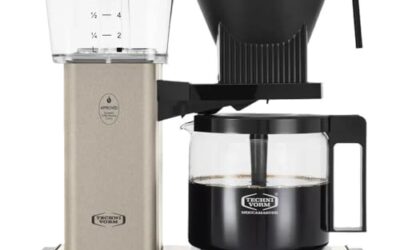
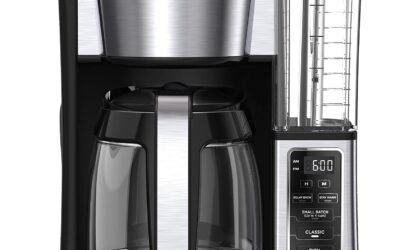
Most home brewers rely on precise heating elements designed strictly for pure water. Introducing dairy or plant milks into these systems clogs internal tubes and creates lingering sanitation issues. You can explore better alternatives in our guide to drip coffee makers to see how standard brewing systems operate.
Internal Heating Element Vulnerability
Coffee machine heating elements reach temperatures well above the boiling point of water. When milk enters the internal flash boiler, the direct heat instantly scorches dairy proteins and natural sugars. This leaves a blackened layer of baked residue directly on the heating coil surface.
Scorched milk proteins act as an unwanted insulator over the metallic heating components. This thermal barrier prevents heat from transferring efficiently into incoming liquid and causes the element to overheat. Over time, this intense localized stress leads to complete electrical burnout and permanently ruins the brewer.
Bacterial Growth and Sanitation Risks
Water reservoirs and internal silicone delivery tubes are nearly impossible to scrub by hand. Residual milk trapped inside these dark, damp pathways begins spoiling within a few hours at room temperature. Harmful pathogens and sour odors quickly contaminate every future pot of coffee you brew.
Standard descaling solutions dissolve mineral scale but cannot break down rancid butterfat deposits. Once milk curdles inside narrow valves, flushing the system with vinegar or citric acid rarely restores hygiene. Contaminated internal tubing usually requires complete disassembly or professional component replacement to become safe again.
Narrow Fluid Tubing and Clogging Risks
Drip brewers push hot liquid upward through narrow aluminum or silicone tubes using steam bubbles. Milk is significantly more viscous than freshwater because of suspended fats and dense proteins. This thickness prevents standard thermal siphons from drawing fluid upward through the boiler tube assembly.
As heated milk thickens, solid curds plug the internal check valves and sprayhead orifices. This blockage traps steam inside the heating chamber and creates dangerous internal pressure buildup. Modern units like the ones discussed in our review of the fastest coffee maker options rely on clear water pathways to function properly.
Extraction Dynamics and Coffee Flavor
Proper coffee extraction requires clean water at temperatures between 195 and 205 degrees Fahrenheit. Milk contains dissolved solids that prevent it from dissolving the aromatic compounds inside ground coffee beans. Brewing with milk results in under-extracted grounds floating in lukewarm, curdled liquid.
The natural acidity of coffee grounds also destabilizes milk proteins upon direct contact at elevated temperatures. Casein proteins clump into sour curd clusters inside the filter basket before liquid reaches your carafe. Adding fresh dairy to your finished cup produces a smooth beverage without compromising bean extraction.
Alternative Equipment with Dedicated Milk Systems
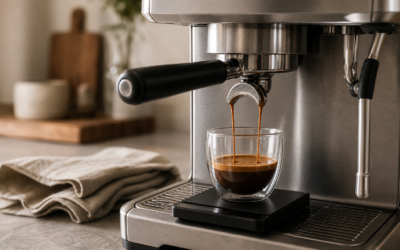
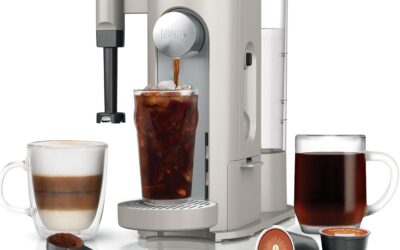
Drinkers who prefer creamy specialty drinks should select appliances engineered specifically for dairy integration. Many automatic platforms feature external milk containers that keep dairy isolated from the clean water boiler. You can read our best super automatic espresso machine guide to discover how pressurized steam froths milk cleanly.
Independent handheld frothers and standalone induction jugs offer another practical way to warm dairy safely. These external accessories heat and aerate milk in dishwasher-safe stainless steel containers without touching your brewer. Pairing a standalone frother with a standard drip unit gives you cafe drinks without risking mechanical damage.
Warranty Protection and Repair Costs
Every major coffee maker manufacturer specifies that reservoirs must hold clean, cold water only. Introducing unauthorized liquids voids your manufacturer warranty immediately and cancels any repair coverage. Service technicians easily identify dairy damage by the distinct odor and scorched residue on internal heating blocks.
Repairing a ruined boiler often costs more than purchasing a replacement drip coffee maker. Replacement parts for budget appliances are rarely sold separately to home consumers. Keeping milk away from your reservoir ensures warranty protection and keeps your machine operating smoothly for years.
Why You Should Trust Us
Our editorial approach focuses on practical equipment engineering, standard appliance maintenance protocols, and fluid dynamics. We analyze manufacturer operating manuals and material compatibility guides to explain how kitchen appliances function. Our team breaks down technical specifications into actionable advice so you can make informed decisions.
We remain objective and transparent by highlighting product limitations and operational risks without promotional spin. Rather than promoting unrealistic brewing shortcuts, we emphasize food safety, machine longevity, and beverage quality. You can always count on our guides for reliable, research-backed advice on caring for your home brewing setup.
Final Thoughts
Pouring milk into a drip brewer reservoir creates severe mechanical problems and ruins your morning coffee. The intense heat of internal boilers bakes dairy sugars onto critical components, leading to burnt elements and bacterial growth. Keeping your machine filled with fresh, filtered water preserves internal tubing and ensures consistent brewing temperatures.
If you enjoy lattes and cafe au lait, invest in specialized tools designed to heat milk externally. Standalone frothing wands and dedicated steam appliances keep milk entirely separate from clean water lines. For households looking to upgrade their morning routine, exploring our guide to the espresso machines category reveals many safe, milk-capable options.
Treating your brewing equipment properly saves you money on premature replacements and expensive repairs. Always brew your coffee with clean water first, then pour warmed or frothed dairy directly into your mug. This simple workflow gives you rich, velvety drinks every time while keeping your coffee maker in peak working condition.
FAQs
Can you put milk in a coffee maker reservoir in 2026?
No, you should never pour milk directly into any coffee maker water tank. The internal heating elements will scorch the dairy proteins, permanently ruining internal components and creating bacterial buildup. Always keep your water reservoir filled strictly with clean water.
What happens if you accidentally put milk in a drip coffee maker?
If milk enters your machine, do not turn on the brew cycle. Immediately empty the reservoir, flush it repeatedly with clean warm water, and clean any removable parts with dish soap. Running a heating cycle with milk inside will bake dairy onto the heating element.
Can you put milk in a coffee maker carafe before brewing?
Yes, placing milk directly into a glass or thermal carafe before brewing is generally safe for the machine. The hot coffee drips directly into the dairy and warms it gently. However, avoid keeping dairy sitting on active warming plates for extended periods because it can curdle.
Can you use almond milk or oat milk in a coffee maker water tank?
No, plant-based milks cause the same mechanical problems as traditional cow milk inside a reservoir. Oat, almond, and soy milks contain natural fats, starches, and thickening agents that scorch onto heating elements. Always add plant milks directly to your cup after the coffee finishes brewing.
How can you make hot lattes safely with a standard coffee maker?
Brew a strong pot of coffee using clean water, then warm your milk separately on the stovetop or in a microwave. Froth the warm milk using a budget-friendly handheld whisk before combining it with your coffee. For office setups, reading about the best coffee machine for office spaces highlights machines built for high-volume specialty drinks.
Will vinegar clean burnt milk out of a coffee machine?
Vinegar dissolves mineral scale, but it cannot effectively dissolve baked dairy fats and proteins. Running vinegar through a machine contaminated with milk often curdles remaining residues, making the clog worse. Specialized dairy cleaners or complete disassembly are typically necessary to clear milk residue.
Does putting milk in a coffee maker void the warranty?
Yes, adding any liquid other than clean water to your coffee maker water reservoir voids the manufacturer warranty. Appliance makers specifically state that damages resulting from foreign liquids or scorched dairy are not covered under standard repair policies.