If you have wondered why is my pour over coffee bed uneven, the answer is usually a combination of pouring technique, grounds, and dripper geometry. An uneven surface is a clue, not a diagnosis, and it does not automatically mean the brew is ruined.
This guide covers how to read the bed, troubleshoot the most common causes, and adjust one variable at a time. For wider brewing context, see our guide to pour over agitation and extraction.
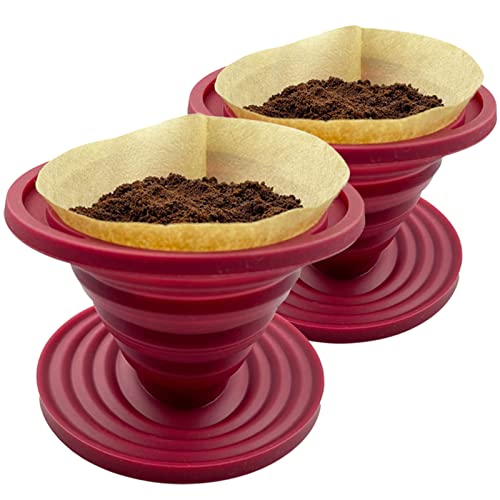
A coffee bed is the layer of grounds left in the filter after brewing. A shallow dip, small mound, or sloped surface can result from water moving grounds during the pour, but the final shape alone cannot show exactly how evenly water passed through them.
Start with the cup as well as the bed: bitter, dry flavors can suggest excessive extraction, while sharp or thin flavors may point toward insufficient extraction. These are clues, not definitive tests, because coffee freshness, roast, water, and recipe also affect flavor.
1. Pour pattern and water flow
A strong stream landing in one spot can push grounds aside and build a mound elsewhere. Pouring close to the filter wall can also carry grounds upward, where they may stick to the paper rather than settle into the main bed.
Try a controlled circular pour over the grounds, keeping the stream steady and avoiding the paper itself. If the bed repeatedly slopes in the direction of your pour, slow down and distribute water more evenly before changing your grind.
2. Grind distribution and clumps
Grounds can contain a range of particle sizes, especially when a grinder produces both fine particles and larger pieces. Fine particles may clump from static or moisture, while unevenly distributed grounds can leave areas that water reaches differently.
Before brewing, gently level the grounds or give the dripper a small, careful shake. Avoid compressing them into a dense layer, since that can impede water flow and make drainage less predictable.
3. Blooming and early agitation
The bloom is the first pour, which wets the grounds and allows trapped gas to escape. If some grounds remain dry, the bed may form unevenly when later pours push water through only part of the coffee.
Use enough water to wet the grounds, then gently swirl the dripper if dry pockets remain. Too much stirring or swirling can move fines toward the filter and slow drainage, so use only enough movement to address visible dry spots.
4. Grind size and drainage
A grind that is too fine for your recipe can slow drainage, while a coarser grind often drains more quickly. Slow flow may allow fines to settle unevenly; fast flow can leave you with a weak cup if water passes through before enough flavor is extracted.
Change grind size in small steps and keep your dose, water amount, and pour pattern steady for the next brew. For more practical ideas about controlling movement through the bed, consult our pour over agitation guide.
5. Dripper shape, filter, and setup
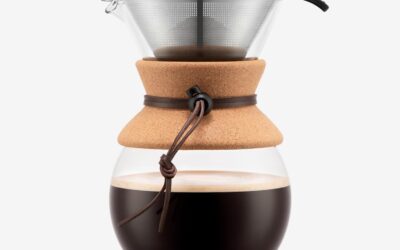
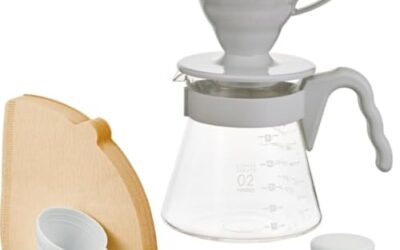
Conical drippers naturally form a bed with a deeper center, while flat-bottom drippers create a different shape and flow path. Filter folds, a poorly seated filter, or a dripper that is not level can contribute to an appearance that seems uneven.
Check that the filter fits the dripper and sits securely before adding coffee. If you are choosing equipment, compare the shape and filter style in our flat-bottom pour over guide and standard-filter dripper guide.
6. Dose, brew depth, and changing variables
A very shallow bed can be harder to wet evenly, while a deeper bed changes how far water travels through the grounds. Neither depth guarantees a particular result, since dripper design and recipe matter too.
Keep a simple record of coffee dose, water amount, grind setting, and pour sequence if a problem persists. Adjust one factor per brew so you can tell whether the change improved drainage, flavor, or both.
How to Troubleshoot an Uneven Bed
- Look for dry patches, grounds stuck high on the filter, or a recurring slope.
- Keep the recipe steady and adjust the pour stream or landing pattern first.
- Level the grounds gently before brewing, without pressing them down.
- If drainage is consistently very slow or fast, make a small grind adjustment.
- Compare the bed with the cup, since appearance alone does not determine extraction.
Do not change grind size, dose, water temperature, and pouring technique all at once. That makes it difficult to identify the cause, and a visually flatter bed is not necessarily a better-tasting brew.
Why You Should Trust Us
Coffee Maker Station explains brewing methods through practical coffee terminology and the way equipment choices affect a home routine. This guide focuses on observable causes and controlled adjustments rather than treating one bed shape as proof of a brewing fault.
Pour over results depend on multiple variables, including the coffee, grinder, filter, dripper, and pouring pattern. We recommend changing one factor at a time and judging the result by both drainage and flavor, not by appearance alone.
Final Thoughts
An uneven bed is often linked to a concentrated pour, clumped grounds, incomplete wetting, or a setup that shifts during brewing. Begin with the simplest correction: level the coffee, pour steadily, and check that the filter and dripper are properly seated.
There is no single dripper or technique that guarantees a flat bed or a better cup. Choose equipment that suits your preferred filter and workflow, then refine your recipe through small, repeatable changes.
For cleaning advice after regular brewing, see our step-by-step Chemex care guide. Keeping the brewer and its parts clean helps remove residue that could otherwise affect routine use.
FAQs
Does an uneven coffee bed mean the pour over is bad?
Not necessarily. The bed can look uneven even when the cup tastes balanced, so consider flavor and drainage alongside its appearance.
Why is there a hole in the middle of my coffee bed?
A concentrated stream or a central pour can move grounds outward and leave a hollow. Try distributing water more evenly and use a gentle swirl only if dry areas remain.
Why are grounds stuck to the sides of the filter?
Water poured close to the paper can wash grounds upward, and some particles may cling there. Aim the stream at the coffee rather than the filter wall.
Can grind size make a pour over bed uneven?
It can contribute to uneven flow, particularly if a grind includes many fines or clumps. Adjust the grind gradually and keep other recipe variables consistent while assessing the change.
Should I stir the coffee during the bloom?
Gentle movement can help wet visible dry pockets, but vigorous stirring may push fines toward the filter. Start with a careful pour and use only enough agitation to address incomplete wetting.
Is a flat-bottom dripper supposed to have a flat bed?
Dripper geometry influences the bed shape, but it does not guarantee a perfectly level surface. Filter fit, dose, and pouring still affect how grounds settle.
How can I make my pour over bed more even?
Level the dry grounds gently, wet them thoroughly during the bloom, and use a steady pour across the coffee. Adjust one technique at a time and compare the resulting cup.
Why is my pour over coffee bed uneven even when I pour slowly?
A slow pour may still concentrate water in one spot, and grinder clumps, filter folds, or an unlevel dripper may also affect the bed. Check those factors individually; our pour over coffee maker category offers more brewing context.