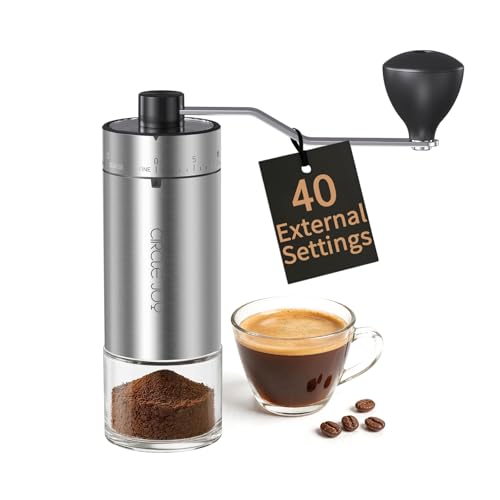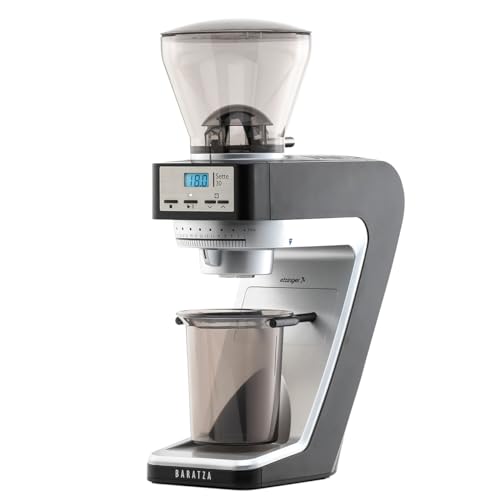

A single dose coffee grinder is designed to grind one measured portion of beans at a time. This workflow can suit people who switch coffees often, want to weigh each brew, or prefer not to leave beans sitting in a grinder hopper.
It is a way of dosing and storing beans, not a guarantee of better coffee. Grinder quality, burr design, adjustment range, bean freshness, and brewing technique still shape the result. For broader equipment context, browse our coffee grinders category.
In a single dose workflow, you weigh the beans for one drink or batch, add them to the grinder, and grind that portion. Many conventional grinders instead keep beans in a hopper and dispense a dose from that stored supply.
That distinction matters for freshness management and changing beans, but the label alone does not tell you how evenly a grinder performs. Consider the whole routine: how you brew, how often you change coffee, and how much cleanup you will tolerate.
1. Match the grinder to your brewing method
Choose a grinder with an adjustment range suited to your brew method. Espresso generally calls for fine, precise adjustments, while drip and pour-over use coarser settings; a grinder intended for one range may not serve every method equally well.
Check whether adjustments are easy to repeat when you move between settings. If you alternate espresso and filter coffee, returning to a previous setting can save time, though the grinder’s design determines how clearly you can track changes.
2. Understand burrs and grind consistency
Burrs are the cutting surfaces that crush beans into particles. Their geometry and alignment influence the distribution of particle sizes, which affects extraction: very different particle sizes can make a brew uneven, with finer particles extracting faster than larger ones.
Do not assume that a single dose design means a grinder has premium burrs or exceptional consistency. Look for clear manufacturer details about burr type, adjustment design, and intended brewing range, then weigh those details against your coffee routine.
3. Consider retained grounds and workflow
Some grounds can remain inside a grinder after a dose. This is called retention, and it can mean that the amount entering your basket differs slightly from the amount you weighed, particularly when changing coffees or grind settings.
Single dose designs often aim to make portion-by-portion grinding convenient, but low retention should not be assumed without a documented specification. Check how the manufacturer describes the grounds path, and consider whether occasional brushing or purging fits your routine.
4. Weigh beans and grounds consistently
A small digital scale makes single dosing repeatable: weigh the beans before grinding, then, if needed, weigh the grounds to see what reaches the brew basket. This helps distinguish a grinder workflow issue from a change in recipe or coffee dose.
For example, if a recipe calls for a particular coffee-to-water ratio, use the bean weight as the starting dose and keep water weight consistent while adjusting. A scale does not improve the grinder itself, but it gives you a clearer way to repeat and refine brews.
5. Account for speed, noise, and counter space
Grinding only one portion can reduce the need to fill and manage a large hopper, but it still takes time to weigh beans and prepare each dose. If you make several drinks back to back, compare the full workflow rather than focusing only on grind time.
Check the grinder’s dimensions and operating instructions before reserving counter space. Noise depends on the grinder and setting, and should not be inferred from the single dose label. A compact footprint may be useful in a small kitchen, but it does not establish grind quality.
6. Review cleaning, durability, and ownership costs
Ground coffee and oils can build up around burrs and internal passages. Follow the manufacturer’s cleaning instructions, unplug an electric grinder before cleaning, and avoid water on parts that are not designated as washable.
Before buying, check warranty terms, replacement part availability, and whether burrs or other wear parts can be serviced. Those details can matter more over time than the dosing style, especially if the grinder will be used daily.
For specific upkeep questions, see our guide to grinding oily beans in a burr grinder. If a grinder develops unusual squealing, our article on possible causes of grinder squealing explains what to inspect and when to stop using the appliance.
Why You Should Trust Us
Our guidance focuses on how grinder design and specifications affect brewing decisions and everyday use. We distinguish the meaning of a single dose workflow from claims about burr performance, grind consistency, noise, or retention that require model-specific documentation.
No grinder models are recommended here by name because there are no product details to substantiate a model-by-model comparison. Use the criteria above to assess manufacturer documentation, warranty coverage, and compatibility with your preferred brewing method before choosing.
Final Thoughts
A single dose coffee grinder is most compelling when you value measured portions, rotate between beans, or want to keep only the day’s brewing dose out of storage. It may be less convenient if you make many cups in sequence and prefer a hopper-based routine.
There is no defensible universal best overall, best value, or best-for-espresso pick without specific grinder models and documented features to compare. Narrow the field by matching adjustment range to your brew method, then compare burr details, workflow, cleaning needs, serviceability, and warranty.
Skip the single dose format if weighing beans for every brew feels like an unnecessary step or if your priority is simply convenient batch grinding. If you enjoy controlling each portion and changing coffees regularly, it can be a practical workflow rather than a shortcut to better coffee.
FAQs
What does single dose mean on a coffee grinder?
It means you add a measured portion of beans for a brew instead of relying on a hopper filled with a larger supply. You typically weigh the beans, grind them, and prepare another dose for the next brew.
Is a single dose grinder better than a hopper grinder?
Neither format is automatically better. Single dosing can make portioning and switching coffees straightforward, while a hopper can make repeated brewing more convenient; burr performance and grind adjustment remain important in either design.
Does a single dose grinder keep coffee fresher?
It can limit how many beans sit in the grinder between brews, but freshness also depends on bean age, storage, exposure to air, heat, and light. Keep the main supply in an appropriate sealed container and grind close to brewing.
Do single dose grinders have zero retention?
No grinder should be assumed to have zero retention based on its category name. Grounds may remain inside the machine, so check model-specific claims and instructions if dose-to-dose consistency is important to you.
Can a single dose grinder make espresso?
Some grinders are designed for espresso, but the single dose format alone does not confirm espresso capability. Check whether the manufacturer specifies a fine enough adjustment range and whether it supports the kind of espresso workflow you use.
Do I need a scale for single dosing?
A scale is not mandatory, but it makes the workflow repeatable by letting you weigh each portion. It also helps you track a recipe and compare the dose entering the grinder with the grounds collected.
How should I clean a single dose grinder?
Follow the model’s manual for cleaning frequency and approved tools. Unplug an electric grinder before maintenance, and do not wash burrs or internal parts unless the manufacturer specifically says they are safe to wash.
What should I compare when choosing one in 2026?
Compare brewing range, adjustment repeatability, burr information, retention guidance, cleaning access, footprint, warranty, and service options. Choose based on the coffee you make most often, not the single dose label alone.
Is a single dose coffee grinder right for beginners?
It can work for beginners who are comfortable weighing beans and learning how grind size affects extraction. If you want a simpler routine, compare hopper models too; our guide to grinders with removable hoppers covers another approach to managing beans.