What is wdt in espresso? WDT means Weiss Distribution Technique, a method for breaking up clumps and distributing ground coffee inside a portafilter basket.
The technique can improve puck preparation, but it cannot correct stale coffee, poor grinding, incorrect dosing, or unstable brewing temperature. This guide explains the method, tool choices, workflow, limitations, and maintenance for 0 espresso setups in November 2026.
Before choosing accessories, learn how to tamp espresso evenly, because distribution and tamping work together rather than replacing each other.
What Is WDT in Espresso?
WDT uses thin needles to stir freshly ground coffee before tamping. Stirring breaks compacted clumps and helps move grounds into low or high areas within the basket.
Uneven density can create channels, which are paths where brewing water moves through the puck too quickly. Water then contacts some coffee heavily and other coffee lightly, producing uneven extraction.
WDT does not mean stirring after tamping, and it does not replace a level tamp. It prepares a more uniform bed before compression, while the tamp creates resistance for brewing water.
How to Use WDT Correctly
- Grind into a clean, dry portafilter basket.
- Place needle tips into the coffee rather than scraping aggressively across the basket.
- Stir from the bottom upward with small, controlled movements.
- Spread grounds toward edges and center until visible clumps disappear.
- Settle the surface gently, then tamp level.
- Lock the portafilter into the group head and brew promptly.
Begin with shallow circles near the surface, then gradually work deeper. Avoid pressing needles against the basket floor, because excessive force can disturb the bed or damage delicate needles.
Keep the tool moving slowly enough to control distribution. Fast, deep stirring can fling grounds over the rim, create uneven density, or make dosing less consistent from shot to shot.
Choosing a WDT Tool
Needle Diameter and Flexibility
Thin needles enter compacted grounds with less disruption, making them useful for breaking clumps throughout a puck. Needles that bend slightly can feel forgiving during controlled stirring.
Very flexible needles may not move dense grounds effectively, while overly rigid or thick needles can create large channels during stirring. Product specifications should identify needle construction when available.
Needle Count and Basket Coverage
More needles can cover a wider area during each movement, but count alone does not determine distribution quality. Needle placement, depth control, and user technique still matter.
Choose a tool that reaches enough of your basket without forcing needles against its sides. You can check how to measure portafilter basket diameter before buying accessories for a specific setup.
Handle Shape and Grip
A stable handle improves depth control and reduces accidental contact with the basket. Rounded, textured, or contoured designs may suit different hand sizes and preparation habits.
Consider storage as well as grip. A compact tool fits crowded coffee stations, while a larger handle may provide easier control for frequent espresso preparation.
Compatibility and Basket Size
WDT tools are generally not locked to one portafilter diameter, but basket width affects how comfortably needles reach every area. Narrow baskets may need smaller, more controlled movements.
Bottomless portafilters can make distribution problems easier to observe, but visual feedback does not replace consistent dose, grind setting, tamping, and brew measurement.
Stand, Cap, and Storage
A stand keeps needles elevated from countertops, while a cap can protect tips and fingers between uses. These features affect workflow more than extraction directly.
Skip unnecessary storage features if the tool will stay in a dedicated drawer. Choose protected storage when children, pets, or crowded preparation areas create puncture risks.
Cleaning and Durability
Coffee oils and fines can collect around needle mounts and handles. Wipe the tool after use, and follow manufacturer instructions before exposing any wooden, coated, or electronic component to water.
Inspect needles regularly for bends or loose attachment. A damaged needle can change stirring behavior and may scratch a basket when forced against its surface.
WDT Mistakes That Reduce Consistency
Stirring only the top layer leaves deeper clumps intact. Work through the dose gradually, but stop once grounds look evenly distributed rather than continuing until the bed becomes fluffy and unstable.
Another mistake involves using WDT to compensate for a poor grinder. If the grinder produces large particle variation, distribution can help the puck, but it cannot make every particle identical.
Do not mound coffee high and rely on tamping to fix it. Excess coffee around the rim can fall away during locking, changing the final dose and creating a messy seal.
Finally, do not change several variables after adopting WDT. Keep dose, grind, yield, and brew time stable first, then adjust one variable when evaluating extraction.
Does WDT Improve Every Espresso Shot?
WDT is most useful when freshly ground coffee forms visible clumps or when distribution appears uneven before tamping. The potential benefit is greater when the grinder produces clumped grounds.
A careful hand distribution method may provide enough consistency for some users. WDT adds another preparation step, so its value depends on whether improved puck preparation outweighs added workflow.
Extraction results also depend on grind size, dose, water temperature, pressure, basket design, coffee freshness, and yield. No accessory guarantees sweeter flavor, longer crema, or a particular brew time.
Why You Should Trust Us
Our evaluation separates documented product information from editorial interpretation. We assess tool design, stated materials, needle configuration, compatibility, storage, cleaning requirements, and likely workflow effects without inventing measurements or ownership experience.
When product data is incomplete, we narrow the recommendation rather than assume missing specifications. We also consider technique because correct grinding, dosing, tamping, and maintenance influence espresso more than accessory ownership alone.
Final Thoughts
This guide explains the technique rather than ranking specific tools. Use the criteria above to compare needle control, basket coverage, handle stability, storage, cleaning, and documented compatibility.
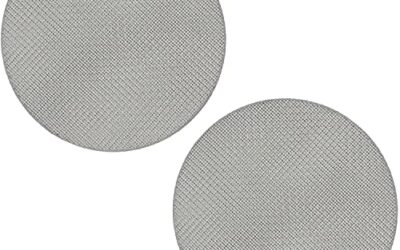
Readers refining puck preparation may also review an espresso puck screen guide for a 54mm basket. A puck screen changes water contact and headspace, so evaluate it separately from WDT rather than treating both accessories as interchangeable.
Who should skip it: anyone seeking a faster workflow, using pre-ground coffee, or expecting WDT to repair an unsuitable grinder. A simple distribution routine may offer better value when the existing preparation process is already consistent.
FAQs
What does WDT stand for in espresso?
WDT stands for Weiss Distribution Technique. It uses thin needles to break clumps and distribute espresso grounds before tamping.
What is wdt in espresso used for?
It is used to create a more uniform coffee bed before tamping. More uniform density can reduce areas where water travels unusually quickly.
Should WDT happen before or after tamping?
WDT happens before tamping. Stir the grounds first, settle the surface if needed, then tamp level with consistent pressure.
Can WDT fix channeling?
WDT may reduce channeling caused by uneven ground distribution, but it cannot fix every cause. Grind quality, dose, tamping, basket condition, and machine behavior also matter.
How deep should WDT needles go?
Needles should move through most of the coffee dose without scraping forcefully against the basket floor. Controlled depth matters more than aggressive stirring.
How many needles should an espresso WDT tool have?
There is no universal ideal count. Coverage, flexibility, handle control, and comfortable movement inside your basket matter more than count alone.
Is WDT necessary for espresso in 2026?
No. WDT can support consistent puck preparation, but careful dosing, grinding, distribution, tamping, and machine control remain more fundamental.
How should a WDT tool be cleaned?
Remove loose coffee after each use and follow its care instructions. Keep needles dry when required, and inspect them for bends or loose fittings.
What accessory should accompany WDT?
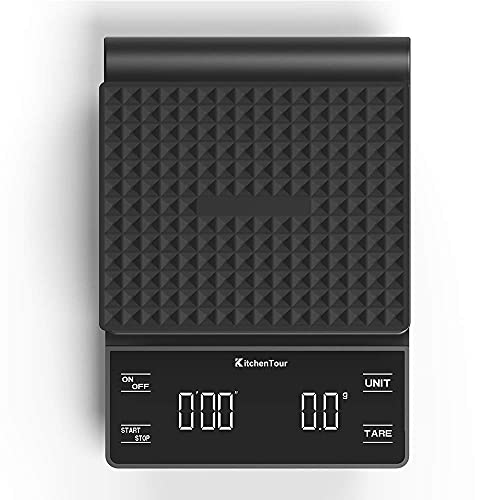
A reliable coffee scale can help track dose and yield, making brewing changes easier to interpret. Compare options in this rechargeable coffee scale guide.