
Sour espresso can taste sharp, tart, or lemon-like when the brew extracts too little from the coffee. Under-extraction is a common cause, but acidity is also part of coffee’s natural flavor, so a bright cup is not automatically a brewing failure.
Start with a repeatable recipe, then change one variable at a time. If you are still building your setup, our guide to compact stepless espresso grinders explains why small grind adjustments can matter.
Extraction describes how water dissolves flavor compounds from ground coffee. If water removes too little, espresso can taste thin, sharply acidic, or grassy; more extraction may balance those flavors, though pushing too far can make the cup harsh or bitter.
Do not judge sourness by acidity alone. Some coffees, especially lighter roasts, naturally have fruit-like acidity that can taste lively and pleasant when balanced with sweetness and body.
Begin With a Measured Baseline
Weigh dry coffee and liquid espresso rather than relying only on basket size or shot volume. A practical starting point is a 1:2 brew ratio: for example, 18 grams of ground coffee yielding about 36 grams of espresso.
This ratio is a starting recipe, not a universal standard. Basket capacity, coffee, roast, and personal taste can call for a different dose or yield, so record your actual amounts before adjusting.
Adjust Grind Fineness First
If a shot tastes distinctly sour and runs quickly, try a slightly finer grind. Finer particles usually slow water flow and increase contact with the coffee, which can help extraction; make a small adjustment because a large change may choke the machine.
Keep dose and target yield steady while dialing in. If you change grind, dose, and yield together, you will not know which adjustment improved the cup.
Grinder adjustment works only if the grinder can produce consistent espresso-sized particles. Learn about grinders suited to a 58 mm portafilter before treating equipment changes as a substitute for careful dialing in.
Check Shot Yield and Flow
Keep your starting dose fixed, then compare the espresso’s weight in the cup with the dry coffee dose. If the shot is very short, extending the yield slightly can extract more from the same puck, though too much liquid may make the result thin or drying.
Time can help you repeat a recipe, but it is not a flavor guarantee. A shot that falls within a common timing range can still taste sour because beans, grind distribution, machine behavior, and puck preparation vary.
Improve Puck Preparation
Distribute grounds evenly and tamp level. Uneven density can encourage channeling, where water finds easier paths through the puck and extracts some areas more than others, producing a cup that tastes both sharp and harsh.
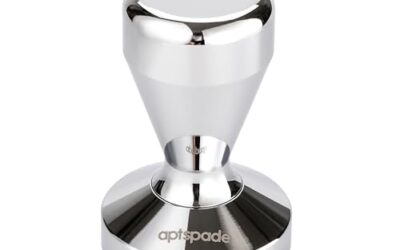
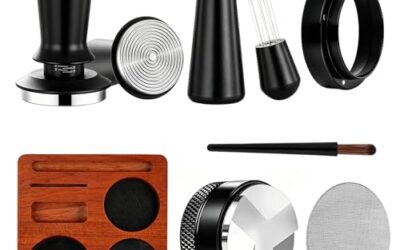
Use a dry, clean basket and avoid leaving clumps or obvious gaps before tamping. A tamper should fit the basket appropriately; elaborate accessories cannot compensate for an inconsistent dose or uneven preparation.
Consider Temperature and Machine Limits
Water temperature affects extraction, and coffee may taste sour if brewing water is too cool. Warm the machine according to its manual and follow its instructions for the portafilter and basket, particularly if the machine needs time to stabilize.
Do not assume every machine offers adjustable brew temperature or stable control. If your model lacks those features, focus first on grind, dose, yield, and puck preparation rather than attempting unsupported modifications.
Account for Beans, Water, and Cleanliness
Light roasts can retain more bright, fruit-like character than darker roasts, and some coffees taste tart even when brewed competently. Try a different roast profile if the flavor remains sharp after careful adjustments, while recognizing that preference is personal.
Use fresh, appropriate drinking water and follow machine guidance about water quality. Old coffee, stale grounds, or residue in the brew path can muddy flavor; clean components as directed, but do not expect cleaning alone to correct an under-extracted recipe.
A Simple Sour-Espresso Troubleshooting Sequence
- Record coffee dose, espresso yield, and shot time.
- Keep dose fixed and grind slightly finer if the shot tastes sharply sour or runs quickly.
- Repeat the recipe, then assess balance, body, and finish.
- If sourness persists, extend yield modestly or review puck preparation, changing one factor per shot.
- Check machine warm-up, cleaning, water, and bean roast after recipe adjustments.
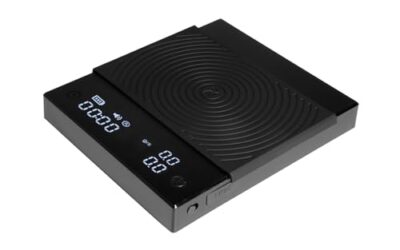
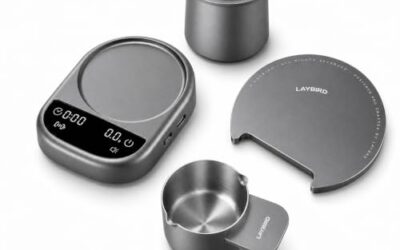
Use a scale that reads in grams for repeatable dose and yield measurements. Our overview of coffee scales for precision brewing covers why weighing can help make espresso adjustments easier to interpret.
Why You Should Trust Us
This guide explains established brewing variables and practical troubleshooting, not results from a claimed hands-on test. No specific machine, coffee, or measured shot outcome was supplied, so recommendations stay at the recipe and workflow level.
Espresso equipment differs in basket design, temperature control, pressure behavior, and adjustment options. Follow your machine’s manual, treat the recipe as a starting point, and judge changes by repeatable brewing and your own preferences.
Final Thoughts
Sour espresso often improves when you increase extraction carefully, commonly by grinding a little finer or adjusting yield. Begin with a measured baseline and change one variable at a time so each result teaches you something.
If a balanced recipe still tastes bright, the coffee’s roast and origin may suit a naturally acidic profile. Try another coffee before buying equipment; consider a grinder upgrade only if your current grinder cannot make consistent, small adjustments.
FAQs
Does sour espresso always mean under-extraction?
No. Under-extraction commonly causes sharp sourness, but lighter roasts and naturally bright coffees can taste acidic even when extraction is balanced.
Should I grind finer if my espresso tastes sour?
Often, especially if the shot runs quickly. Adjust slightly, keep other recipe variables fixed, and check whether the cup becomes sweeter and more balanced.
Can a shot taste sour and bitter at the same time?
Yes. Uneven extraction or channeling can leave some parts of the puck under-extracted and others over-extracted, creating mixed sharp and harsh flavors.
Will pulling a longer shot fix sour espresso?
It may help if the original yield is too short, but a longer shot can become thin or drying. Extend yield gradually and taste each change.
Can stale coffee make espresso sour?
Stale coffee more often tastes flat or dull, but bean condition can complicate flavor diagnosis. Use coffee stored appropriately and compare with a fresh bag if uncertain.
Does espresso machine temperature cause sourness?
Water that is too cool can limit extraction. Warm the machine as its manual directs, but first confirm that your model provides temperature adjustment before trying to change it.
What espresso ratio should I try first?
A 1:2 dose-to-yield ratio is a useful starting point, such as 18 grams of coffee to about 36 grams of espresso. Your basket, beans, and taste may call for another ratio.
How can I tell sourness from normal coffee acidity?
Balanced acidity tends to feel integrated with sweetness and body; under-extracted sourness often feels sharp, thin, or unfinished. Taste is subjective, so compare recipes rather than relying on one descriptor.
Should I clean my machine when espresso tastes sour?
Clean the machine on its recommended schedule because residue can affect flavor and function, but cleaning does not replace dialing in. Follow the manual and use espresso cleaning guidance appropriate to your machine.