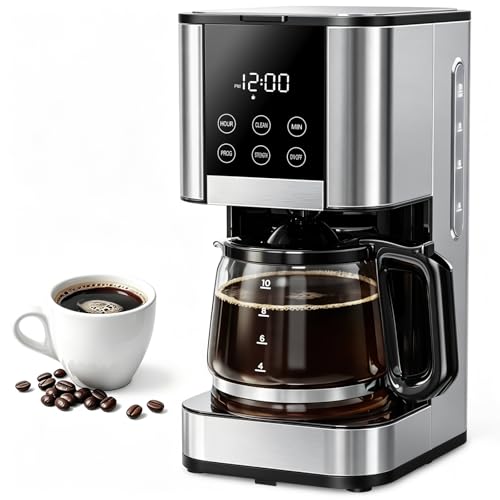

When you brew only a cup or two in a full-size drip coffee maker, water may move through the grounds differently than intended. The small batch setting changes the brew cycle on some models to suit a lower water volume, but its exact operation depends on the machine.
Knowing what does the small batch setting on a coffee maker do helps you choose the right button, dose coffee accurately, and avoid assuming every machine uses the same method. For broader machine options, see our drip coffee maker category.
What Does the Small Batch Setting on a Coffee Maker Do?
Small batch mode adjusts brewing for a smaller quantity of water, often by changing how water is delivered or how long the brew cycle runs. The goal is to extract a modest dose of coffee more appropriately than a standard full-pot cycle would.
There is no universal design. Depending on the maker, the setting may slow water delivery, pause or pulse flow, or otherwise modify the brew program. Check the manual for your model before assuming which change it makes.
Why a smaller brew can need a different cycle
In drip brewing, hot water dissolves soluble compounds from ground coffee as it passes through the bed. A smaller volume can move through the brew basket quickly, and very fast contact may contribute to under-extraction, which can taste thin or sour.
Extraction also depends on grind size, coffee dose, water temperature, and how evenly water reaches the grounds. Small batch mode addresses only part of this system, so it cannot correct every recipe problem by itself.
When to turn the setting on
Use the setting when brewing an amount your machine identifies as a small batch. That threshold varies by model, so follow its marked water levels or manual rather than relying on a universal cup count.
If your machine has no small batch setting, make the recipe proportionally smaller and avoid brewing below its minimum fill line. A compact brewer may suit frequent one-cup brewing better; compare capacities in our guide to compact five-cup coffee makers.
Measure coffee and water consistently
Start with the coffee maker’s recipe guidance, then measure coffee and water the same way each time. A kitchen scale gives repeatable measurements by weight; scoops can vary with bean size, grind, and how tightly coffee is packed.
Keep a short note of the water amount, coffee dose, and setting used. If the cup tastes weak, adjust dose or grind gradually, changing one variable at a time so you can identify what improved the result.
Grind size and coffee-bed depth
For most drip machines, a medium grind is a useful starting point, but the correct range depends on the brewer and filter basket. A grind that is too coarse may drain quickly and produce a weak cup; one that is too fine can slow flow and taste harsh or bitter.
A small dose also creates a shallower bed of grounds. That can change how water spreads across the coffee, which is one reason small batch programming may help, though a setting cannot guarantee even saturation.
Water level, basket limits, and workflow
Use the brewer’s water markings, not the number of finished mugs you expect. Coffee maker cup markings may represent servings smaller than a standard US measuring cup, and brewed volume will be lower than the starting water volume because grounds retain some water.
Do not exceed the basket’s capacity or brew below the machine’s minimum. If your usual amount is consistently far below that minimum, a smaller-capacity machine may offer a simpler workflow than repeatedly adapting a large brewer.
Cleaning and troubleshooting the result
Keep the basket, carafe, and reusable filter clean, and replace paper filters for each brew. Old coffee oils can leave stale flavors that resemble a recipe problem, while blocked flow may interfere with normal brewing.
If small-batch coffee tastes off, first confirm water quantity, coffee dose, grind, and filter placement. Then check the manual for the setting’s intended range and clean or descale the machine as directed by its manufacturer.
Why You Should Trust Us
This guide explains the brewing principles behind small batch settings without claiming that every coffee maker uses the same mechanism. No product specifications or model manuals were supplied for this article, so model-specific behavior and batch thresholds remain dependent on the manufacturer’s documentation.
Our recommendations focus on practical variables you can verify: water volume, coffee dose, grind, minimum fill, and cleaning. We distinguish general drip-brewing guidance from features that must be confirmed for your particular machine.
Final Thoughts
Small batch mode is worth using when you brew a modest amount and your machine provides a setting for that volume. It can adjust the cycle to better suit a smaller brew, but the manual is the reliable source for what the feature changes and when to select it.
There are no products in the supplied product data, so we cannot responsibly name best overall, value, or specific-use picks. Choose a brewer with clear batch guidance if you often make just one or two servings; browse our coffee maker category to compare machine types.
FAQs
What does the small batch setting on a coffee maker do?
It modifies the brewing cycle on some machines for a smaller volume of water. The specific adjustment differs by model, so consult the manual for its exact function and recommended batch size.
Should I use small batch mode for two cups?
Use it if two cups fall within the small-batch range given for your brewer. Cup markings vary, so use the machine’s water indicators or manual rather than assuming two household mugs equal a specific setting.
Does small batch mode make coffee stronger?
Not necessarily. The setting may change water delivery or brew timing, but strength also depends on the coffee-to-water ratio. Add more coffee relative to water for a stronger-tasting brew, then adjust to preference.
Can I use small batch mode for a full pot?
Usually, select the standard cycle for a full pot unless your manual says otherwise. Small batch mode is intended for a lower volume, and using it outside its recommended range may not produce the intended brew.
Why does my small batch coffee taste weak?
Possible causes include too little coffee, a grind that is too coarse, or water flowing unevenly through a shallow bed. Confirm the recipe and setting, then change one variable at a time.
Does every coffee maker have a small batch setting?
No. Some brewers offer a dedicated small-batch option, while others use one cycle across their stated capacity. Check the control panel and product manual before buying if this feature matters to your routine.
Is small batch mode the same as brewing a single cup?
Not always. A drip brewer’s small-batch cycle may cover multiple servings, while a single-serve machine brews one serving through a different system. Compare the brewer’s minimum volume and intended use.
How do I choose a coffee maker for small batches?
Check minimum brew volume, batch-setting instructions, basket design, and cleaning needs. Our guide to practical coffee maker options can help you compare formats, though feature details should always be confirmed for each model.