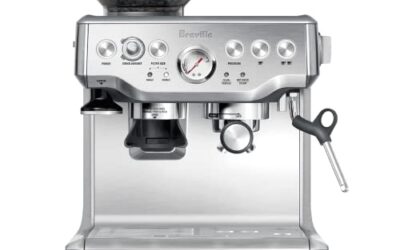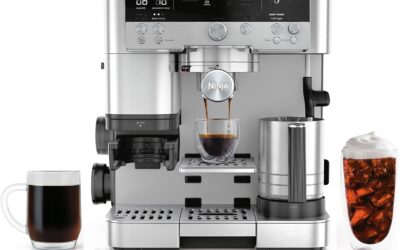

When espresso starts flowing unevenly or the group head looks dirty, the shower screen may need attention. This guide explains how to clean an espresso machine shower screen while protecting parts that vary by machine model.
Shower screens distribute brew water across the coffee bed in the portafilter. Coffee oils and fine particles can build up around the screen, but uneven flow can also come from a dirty basket, poor puck preparation, or another machine issue. For broader machine choices and ownership factors, see our espresso machine guides.
1. Check Your Machine Manual First
Shower screens may be removable, fixed, or held in place with different fasteners. The manual is the authority on removal, cleaning products, and whether the manufacturer recommends backflushing.
Do not assume every machine uses the same screw or screen arrangement. If instructions are unavailable, look up documentation for your exact model before removing parts. Avoid forcing a screw that resists turning.
2. Let the Group Head Cool
Turn the machine off and allow the group head to cool before touching or removing the screen. Metal parts near the group head can remain hot after brewing, creating a burn risk.
Remove the portafilter and let hot water drain away. Keep electrical components dry, and do not pour water over the machine exterior. If your manual specifies a different shutdown or cleaning procedure, follow it.
3. Clean the Screen in Place for Routine Care
For light residue, brush loose grounds from the screen and group-head area with a clean, soft group-head brush. Use short, controlled strokes so debris does not spread into nearby openings or onto the counter.
Wipe accessible surfaces with a damp, lint-free cloth. If your manual permits it, briefly run water through the group head with no portafilter installed to flush loose particles. Keep your hands clear of the water stream.
4. Remove the Screen Only When Instructions Allow
For deeper cleaning, remove the screen only if the manufacturer’s instructions describe how. Use the correct tool, support the part as it comes free, and note the order and orientation of any components.
Rinse the screen under warm running water and brush away visible residue with a soft brush. Use espresso-machine detergent only when the manual allows it, and follow its dilution and soaking directions. Detergent can remove coffee oils, but unsuitable chemicals or prolonged soaking may harm materials.
Do not poke holes with needles, knives, or other sharp objects. A bent or enlarged opening can alter water distribution. If deposits remain after gentle cleaning, replace the screen only with a compatible part specified for your machine.
5. Reassemble and Verify Water Flow
Rinse away all detergent, then reinstall the screen and any removed parts in their original orientation. Tighten fasteners as directed, without over-tightening. A damaged thread or misplaced component can create problems beyond a dirty screen.
Run water through the group head and watch for an obvious leak or unusual spray pattern. A brief flush can help remove loose debris, but it does not prove that every internal passage is clear. Stop and consult service guidance if parts do not seat correctly.
How Often Should You Clean the Shower Screen?
Clean the exposed group-head area as part of regular use, especially when coffee grounds or visible residue remain after brewing. Deeper screen cleaning depends on your machine, how often you pull shots, and the cleaning schedule in its manual.
Frequent brewing and darker, oilier coffee may leave residue sooner, but there is no single interval that fits every setup. Use visible buildup, changes in water flow, and manufacturer guidance to decide when deeper cleaning is due.
Common Mistakes to Avoid
Do not remove a screen before checking whether it is designed for user removal. Avoid abrasive pads, harsh household cleaners, and sharp tools unless the manufacturer explicitly approves a method. These can scratch surfaces, leave residues, or damage small openings.
Do not confuse shower-screen cleaning with descaling. The screen sits at the group head, while descaling addresses mineral deposits inside water pathways. Use the machine’s separate instructions for each task, and never assume detergent backflushing is suitable for every model.
Also avoid diagnosing every extraction problem as a screen issue. Uneven espresso flow can result from grind size, dose, tamping, basket condition, or water distribution. Change one variable at a time after cleaning so you can identify what affects the shot.
Why You Should Trust Us
This guide focuses on general cleaning principles and separates them from model-specific instructions. We do not claim to have tested a particular machine or verified removal procedures across all espresso models.
Because screen construction and cleaning recommendations differ, your manufacturer’s manual takes priority. We avoid prescribing a universal detergent, tool, torque, or cleaning interval when the supplied information does not establish one.
Final Thoughts
A gentle brush-and-wipe routine handles loose grounds and surface residue for many machines. Deeper cleaning makes sense when buildup persists, but remove the screen only when the manual explains how and approves the method.
After cleaning, check that the screen is secure, the group head does not leak, and water flows as expected. If problems continue, inspect other parts of the brewing routine or contact the manufacturer rather than repeatedly scrubbing the screen.
FAQs
Can I clean an espresso machine shower screen without removing it?
Yes, routine brushing and wiping can clear loose grounds and accessible residue. Follow your manual for any flushing steps, and remove the screen only if instructions permit it.
Can I use dish soap on a shower screen?
Do not assume dish soap is approved. Use only cleaning products and methods allowed by your machine’s manual, then rinse parts thoroughly to avoid leaving residue.
Should I use espresso-machine detergent?
Only if the manufacturer permits it for the screen and specifies how to use it. Detergent designed for espresso equipment is not automatically appropriate for every machine component.
How do I know if my shower screen needs cleaning?
Visible coffee residue, grounds around the group head, or restricted-looking openings can signal a need for cleaning. Changes in extraction alone are not conclusive because several brewing variables affect flow.
Can I use a needle to clear clogged holes?
Avoid sharp tools. They can damage or enlarge openings and change how water passes through the screen. Use gentle brushing, approved cleaning, or a compatible replacement when appropriate.
Is cleaning the shower screen the same as descaling?
No. Shower-screen cleaning addresses coffee residue near the group head. Descaling targets mineral deposits inside water pathways and requires its own manufacturer-approved procedure.
What if water still sprays unevenly after cleaning?
Check that the screen is correctly installed and inspect the basket and puck preparation. Persistent leaks, damaged parts, or abnormal flow may require manufacturer support or qualified service.
Where can I learn more about choosing an espresso machine?
Compare machine types, controls, and maintenance demands in our espresso machine guide for budget-conscious buyers. Match features to your workflow and verify cleaning requirements in the specific model’s manual.