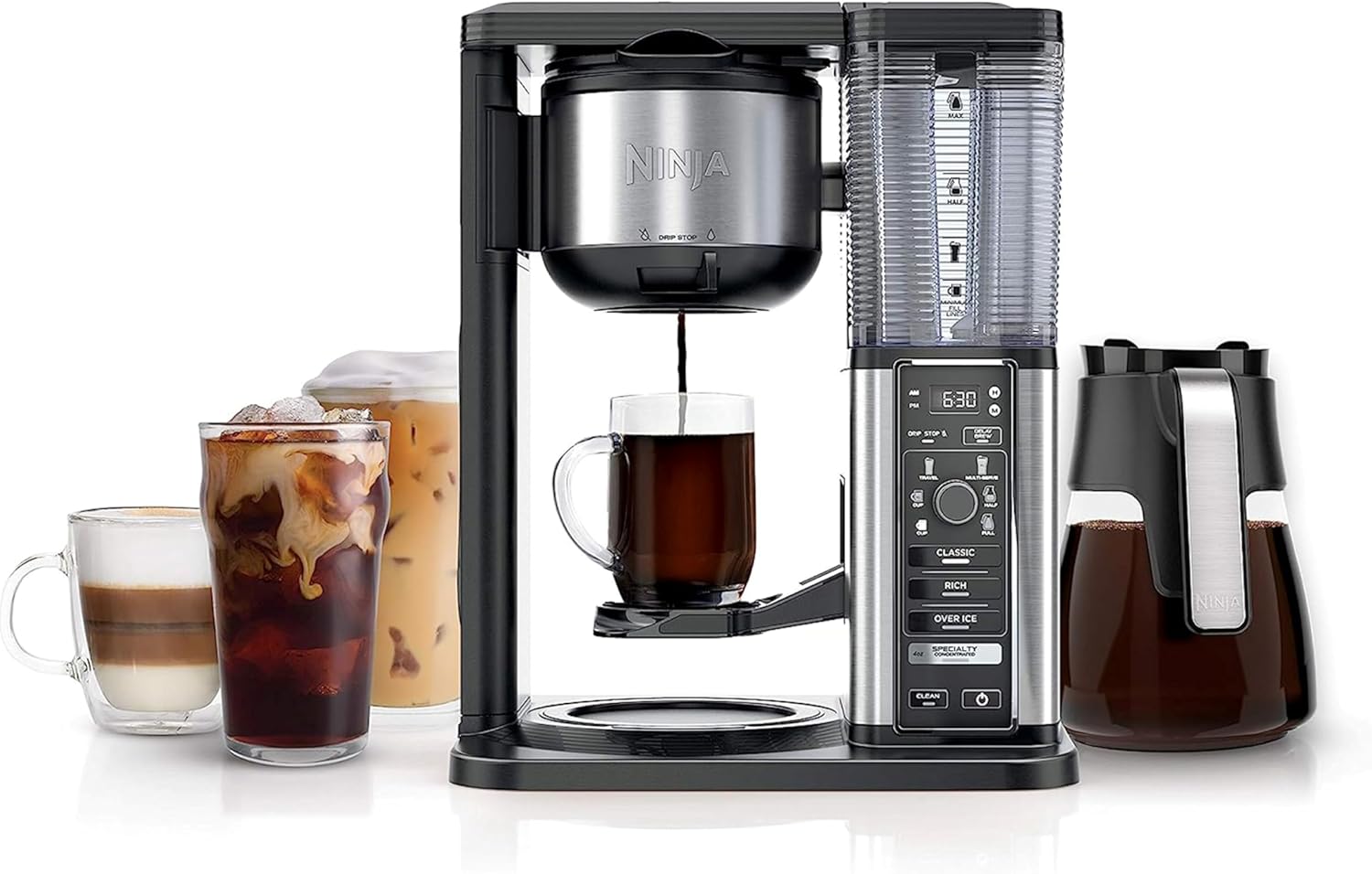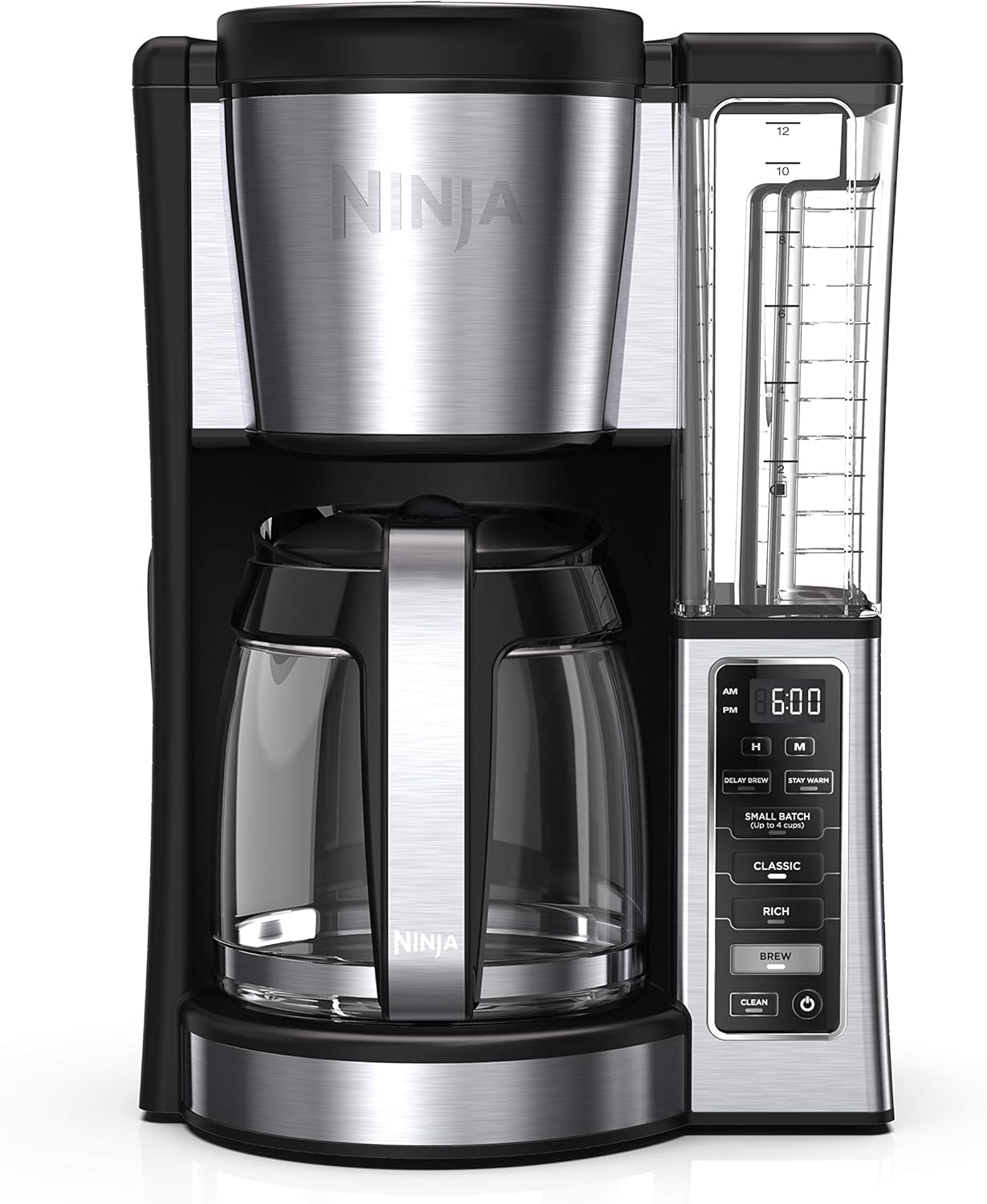

The frequency for descaling a coffee maker depends on your water quality, usage habits, and model, but most guidelines suggest every 3 to 6 months for typical home use. This guide covers the reasons why, how to tell if you need it, and a complete step-by-step process to do it safely and effectively.
What Is Descaling and Why It Matters
Descaling removes mineral deposits, primarily calcium and magnesium from hard water sources, that accumulate inside a coffee maker over time. These minerals can form limescale buildup, restricting water flow through the machine’s channels and components. Without regular descaling, performance declines, taste suffers, and the risk of clogs increases.
Regular descaling extends the machine’s lifespan by preventing corrosion and mechanical wear on internal parts like pumps, valves, and heating elements. It also maintains consistent extraction of flavors during brewing, ensuring each cup tastes fresh and evenly strong. The process is essential for any coffee maker that uses water, as all water contains dissolved minerals to varying degrees depending on your local supply.
Factors That Influence How Often to Descale
Many manufacturers advise descaling based on usage frequency and water hardness rather than a fixed calendar interval. Heavier users who brew multiple pots daily or live in areas with very hard water may need to descale more frequently, perhaps every 1 to 3 months. Lighter users or those with softer municipal water might follow the longer end of the spectrum, around 6 months.
Other variables include the type of coffee maker (drip models with more channels tend to need attention sooner than simple pod machines) and how well previous maintenance was performed. If you notice any signs of reduced flow or inconsistent results, it may signal the need for an earlier descaling cycle. Always consult your specific model’s user manual for tailored recommendations, as these can differ between brands and even across product lines.
How to Tell If Your Coffee Maker Needs Descaling
Pay attention to subtle changes in operation that indicate mineral buildup. Slow or inconsistent water flow from the spout is one of the most reliable early warning signs, as deposits narrow the passages inside the machine. Another indicator is a noticeable change in taste, often described as bitter or metallic, which occurs when minerals interfere with flavor extraction.
Error codes or warning lights on digital models can also appear when the machine detects restricted flow. White or crusty residue visible inside the water reservoir or on the drip tray after brewing is a clear visual cue. If these symptoms appear sooner than expected based on your usage, it’s time to descale rather than wait for the next scheduled interval.
Tools and Materials You Will Need
Basic household items usually suffice for descaling. You will need white vinegar with at least 5 percent acidity, which serves as the primary cleaning agent. A measuring cup helps portion the solution accurately, and a funnel directs the liquid into the machine without spills. Clean cloths or paper towels are useful for wiping exterior surfaces and removing residue.
Some users prefer a commercial descaling solution formulated specifically for appliances, which may include added preservatives and citrus scents for better rinsing. However, plain vinegar works effectively for most home machines and is more cost-effective. Ensure you have enough solution and rinse water on hand, as the process typically requires several liters to fully flush the system. Work in a well-ventilated area, and wear gloves to protect your hands from the vinegar’s acidity.
Step-by-Step Descaling Process
Begin by preparing a cleaning solution in a clean container, mixing equal parts white vinegar and water. For stubborn buildup, some manufacturers suggest a 50-50 ratio, but always start with less acidic options to test tolerance. Power off your coffee maker and unplug it for safety during the process. Locate the water reservoir and pour the solution directly into it, filling to the maximum capacity line.
Run the machine through a normal brew cycle using only water, allowing the solution to circulate through all internal channels. Let the mixture sit for the recommended time, which varies by model but often means 15 to 30 minutes. This dwell time allows the vinegar to dissolve mineral deposits effectively. After the cycle completes, discard the used solution and rinse thoroughly by running multiple cycles of fresh water until no vinegar smell remains.
Repeat the vinegar run if your machine has a separate brew path or if residue is still visible. Once all solution is flushed, perform a final rinse cycle with plain water to remove any remaining minerals. Wipe down the exterior of the machine to remove any loosened deposits. Allow the machine to dry completely before resuming normal use to prevent any moisture-related issues.
Common Mistakes to Avoid
Skipping the initial rinse cycle before adding vinegar can lead to uneven cleaning and leave residue on surfaces. Rushing the process by not allowing sufficient dwell time reduces the effectiveness of the vinegar. Another frequent error involves using tap water for rinsing instead of distilled or filtered water, which can reintroduce minerals.
Overusing harsh chemicals or skipping the final rinse step may leave the machine with an unpleasant taste that lingers in subsequent brews. Forcing the machine to run without sufficient solution can damage pumps or heating elements. Always verify that all removable parts, such as the water filter or drip tray, are cleaned separately and reassembled correctly before testing the machine.
Preventive Maintenance and Best Practices
Installing a water filter on your coffee maker helps reduce mineral content from the source water, potentially extending the time between descalings. Regular cleaning of the reservoir and exterior surfaces prevents buildup from external sources. Using filtered or bottled water when possible minimizes the introduction of new minerals in the first place.
Monitor your machine’s performance monthly by noting flow rates and taste consistency. If you notice any gradual decline, schedule an earlier descaling. For machines used infrequently, descaling before long periods of disuse helps prevent corrosion during storage. These habits promote consistent performance and reduce the overall frequency of deep cleaning.
When to Contact a Qualified Technician
While descaling is a straightforward DIY task for most users, certain situations warrant professional attention. If your coffee maker shows signs of electrical malfunction, such as unusual noises, overheating, or error messages that persist after cleaning, stop using it and contact the manufacturer or a certified technician. Pressure systems in espresso machines require specialized tools and expertise to avoid damage.
Leaky connections near electrical components, visible damage to internal parts, or questions about warranty coverage should also prompt you to seek expert help. If the machine is still under warranty and descaling does not resolve issues, contact the manufacturer directly before attempting further repairs. These precautions protect both your appliance and your safety.
How often should I descale my coffee maker?
The general recommendation is every 3 to 6 months for average use, but this varies based on water hardness and daily volume. Check your manual for the precise interval recommended by your manufacturer.
What causes buildup in a coffee maker?
Hard water minerals like calcium and magnesium accumulate as limescale, restricting flow and affecting performance over time.
How do I know if my coffee maker needs descaling?
Look for slow water flow, changes in taste, visible residue, or error codes indicating restricted channels.
Is it safe to descale a coffee maker with vinegar?
Yes, white vinegar is a safe and effective household cleaner when used properly and rinsed thoroughly from the machine.
Can I use a commercial descaling solution instead?
Commercial solutions are formulated for appliances and may include preservatives, but plain vinegar works well for most models as a cost-effective alternative.
How do I prevent the need for frequent descaling?
Use filtered water, install a water filter, and maintain regular cleaning to minimize mineral introduction.
What if my coffee maker is under warranty?
Descaling is usually covered under warranty if needed, but contact the manufacturer first before any DIY work on warranty-sensitive systems.
Is descaling the same for all coffee makers?
While the core process is similar, specific models may require adjustments in solution strength or cycle length. Always refer to your model’s instructions.