
Foundation guide
Start here: cold brew ratio and dilution
Separate brewing inputs, finished yield and serving dilution with worked calculations.
We independently review everything we recommend. When you buy through our links, we may earn a commission. As an Amazon Associate we earn from qualifying purchases.
Cold Brew and Specialty knowledge hub
Cold brew steeps coffee in cool water over an extended period; iced coffee can instead be hot-brewed coffee served cold. Cold brew is not automatically a concentrate. Whether you dilute the result depends on the recipe, so choose your intended drink and batch routine before comparing pitcher capacity or buying a different filter.
A brewing ratio describes the coffee and water used to make the batch. A serving dilution describes how much prepared concentrate you mix with water or milk afterward. Record both when they apply. Nominal vessel capacity includes space used by the filter and wet grounds, so it is not a promise of the finished liquid yield.
| Concept | Meaning | Your next check |
|---|---|---|
| Brewing ratio | Coffee mass relative to brewing water. | Record both quantities before steeping. |
| Concentrate | A brew intended to be diluted for serving. | Label the recipe and planned dilution. |
| Finished yield | Liquid collected after separating the grounds. | Measure it instead of assuming jar capacity. |
| Fridge fit | Usable shelf height and pouring clearance. | Measure with the lid and handle in place. |
Use the explanations and comparisons to define your needs before opening an equipment buying guide. Product listings are not evidence that every option suits every routine.
Foundation guide
Separate brewing inputs, finished yield and serving dilution with worked calculations.
Equipment buying guide
Compare vessel footprint and access rather than relying on advertised capacity alone.
Equipment buying guide
Consider removable parts, cleaning access and approved care before choosing a batch brewer.
No. Coffee, ratio, steeping and serving dilution still affect the cup. Describe the taste you dislike and compare one recipe change instead of assuming that cold water removes every source of bitterness.
Only as a clearly labeled experiment, not a guaranteed equivalent. Different brewing recipes make different concentrations. Start with your recipe’s serving guidance and compare to your preference.
These manufacturers use different procedures. Follow one complete recipe for the relevant brewer; do not combine their steeping conditions or storage claims into a universal rule.
Hub editorial review: October 12, 2026. This learning path is editorial guidance, not a claim of hands-on or laboratory testing. It does not certify every specification or product in the article archive below. Follow your exact equipment manual for operation, compatibility and care.

Nitrogen and nitrous oxide are different gases, and they do not create the same drink or require the same handling. Learn which gas suits nitro coffee, how to prepare it, and what to avoid.

Fridge-door fit depends on more than pitcher capacity. Compare glass, plastic, filter design, and batch size to choose a cold brew maker that suits your space and routine.
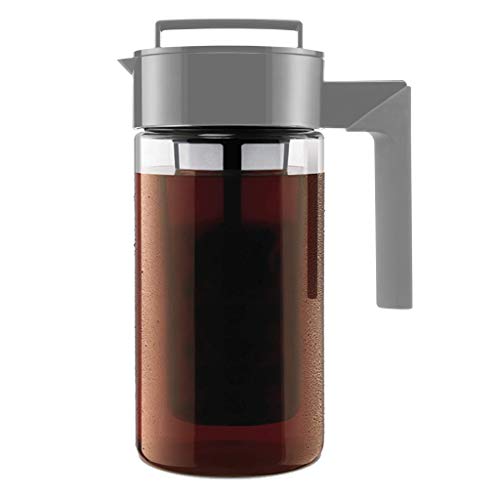
A compact brewer can suit one coffee drinker better than a gallon jar, but batch size and steeping style matter. Compare simple steepers with faster electric options before choosing.

Concentrate calls for a brewer that can steep grounds evenly and filter them cleanly. These picks range from compact pitchers to large-batch dispensers, with practical tradeoffs for different kitchens.

Decaf cold brew still depends on grind, steeping, and easy cleanup. These pitchers offer different capacities and filter designs for matching your routine.

A stainless steel filter lets you steep coffee directly in a pitcher, then remove the grounds without disposable paper. These picks cover complete pitchers and reusable filters, with practical differences in mesh, capacity, and cleanup.
A dispensing tap makes serving a large batch of cold brew easier, but capacity and cleanup matter just as much. Compare countertop dispensers with compact pitchers to find a setup that suits your fridge, household, and brewing routine.

Nitro systems add a creamy texture to prepared cold brew, but they differ in batch size, charging method, and cleanup. Compare countertop dispensers, portable infusers, and brewers that make cold coffee without nitrogen.

The right cold brew pitcher depends on batch size, filter design, fridge space, and which parts can go in your dishwasher. This guide compares 10 options and explains tradeoffs before you choose.

A removable faucet can make a nitro keg easier to clean, but not every cold brew maker uses a keg or faucet. Compare serving style, capacity, gas costs, and cleanup before choosing.