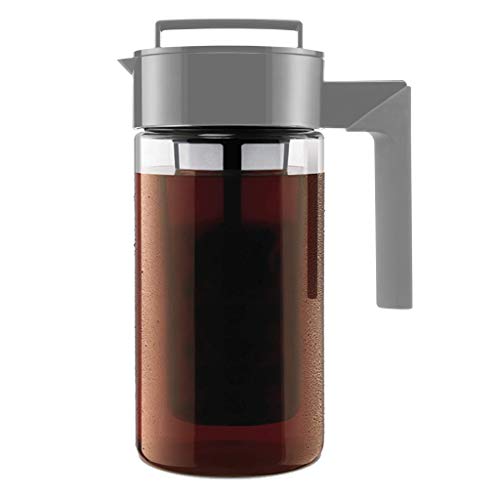

Cold brew can taste weak when coffee dose, grind, steep time, or filtration leaves too little dissolved coffee in the drink. Start by checking your coffee-to-water ratio, then adjust one brewing variable at a time.
Cold water extracts coffee more slowly than hot water, so a recipe made for drip coffee may not transfer directly. For more equipment context, browse our cold brew and specialty brewing guides.
Weakness can mean low concentration, muted flavor, or watery coffee after dilution. These are related but not identical problems, and each points to a different adjustment.
Check the coffee-to-water ratio first
Ratio means the amount of dry coffee used for a given amount of water, measured by weight. Too little coffee for the water volume produces a dilute brew, even when steeping and filtering are otherwise sound.
Use a kitchen scale if possible: weigh coffee and water in grams, then record the ratio as coffee to water. For example, 100 grams of coffee with 1,000 grams of water is a 1:10 ratio.
That example explains the math, not a universal recipe. Cold brew recipes vary, and some make a concentrate intended for later dilution while others aim for ready-to-drink strength.
Know whether you brewed concentrate
A concentrate is intentionally stronger than a finished serving, so it is mixed with water or milk before drinking. If your recipe makes concentrate, adding too much dilution liquid can make the cup taste weak.
Measure the serving mixture once: note concentrate and added liquid separately. If the undiluted brew tastes robust but the prepared glass does not, reduce dilution rather than changing the steep.
Consider grind size and consistency
Cold brew commonly uses a coarse grind, but very large particles can extract slowly and unevenly during a limited steep. Extremely fine grounds can make filtration difficult and add sediment, so grinding finer is not a guaranteed fix.
If grounds vary greatly in size, some particles may extract faster than others. A burr grinder generally offers more consistent particle size than a blade grinder, but equipment alone cannot correct a low coffee dose or excessive dilution.
Change grind gradually and keep the ratio and steep time fixed while comparing batches. If you want to compare immersion brewing with another method, see our French press brewing guides.
Give extraction enough time
Steep time affects how much soluble material moves from grounds into water. A short steep may leave a brew thin, particularly with coarse grounds or a relatively low coffee dose.
There is no single correct steep time for every recipe. Follow your recipe first, then extend the steep in small increments if the coffee tastes underdeveloped, keeping other variables unchanged.
Longer steeping does not always improve flavor. If coffee becomes harsh, dull, or overly bitter, return to the prior duration and investigate grind, beans, or water instead.
Use fresh, suitable coffee and clean water
Stale beans can lose aromatic character, making cold brew seem flat even when its strength is adequate. Store coffee airtight, away from heat, light, and moisture, and grind shortly before brewing when practical.
Water makes up most of the drink, so strong mineral, chlorine, or other off-flavors can mask coffee character. Use clean-tasting drinking water; avoid assuming that more minerals or a particular bottled-water label guarantees better extraction.
Filter carefully and evaluate the finished cup
Straining removes grounds, but filtering does not normally make a properly brewed batch stronger. However, retained liquid in a heavily loaded filter or grounds can reduce the amount of finished coffee you collect.
Stir the brew before taking a sample, especially when coffee and water may not have mixed evenly. Taste it before adding ice, milk, or water, since those additions can make an already light batch seem thinner.
A simple troubleshooting sequence
Write down coffee weight, water weight, grind description, steep duration, and any dilution. Change only one factor per batch so the result tells you something useful.
- Weak before dilution: check dose, grind, and steep duration.
- Strong before dilution but weak in the glass: reduce added water, milk, or melting ice.
- Thin and sour or grassy: consider longer extraction or a slightly finer grind, changing one variable at a time.
- Flat without tasting watery: check bean freshness and water flavor.
- Muddy or difficult to filter: use a coarser grind or improve filtration rather than extending steep time automatically.
For repeatable results, keep a short brew log and compare batches at the same serving temperature and dilution. Our brewing methods overview covers other approaches when cold brew is not matching your preferences.
Why You Should Trust Us
This guide explains brewing variables using established coffee terminology and practical cause-and-effect reasoning. No product testing, taste tests, or specific equipment measurements are claimed here.
No products were supplied for comparison, so we do not name a best overall, value, or specialty brewer. The useful recommendation is to diagnose the recipe before buying equipment that may not address the cause.
Final Thoughts
When cold brew tastes weak, check the ratio and dilution first. Then review grind consistency, steep duration, bean freshness, and water quality in that order, changing one variable at a time.
A scale and a written recipe can make troubleshooting easier, but neither replaces a sound brewing method. If your measured brew is still unsatisfying after controlled adjustments, compare it with other methods in our cold brew guide collection.
FAQs
Why does cold brew taste weak even after steeping overnight?
Steep duration is only one factor. A low coffee dose, very coarse grind, stale beans, or excessive dilution can still produce a weak cup.
Should I use more coffee or steep it longer?
Check your ratio first. If it is already suitable for your recipe, try a modestly longer steep while holding grind and other variables steady.
Does a finer grind make cold brew stronger?
A finer grind can increase extraction, but it may also create sediment and complicate filtering. Adjust gradually rather than grinding extremely fine.
Can too much water make cold brew taste weak?
Yes. Too much brewing water for the coffee dose lowers concentration, and adding too much water after brewing further dilutes the serving.
Does cold brew need to be brewed as concentrate?
No. Some recipes produce ready-to-drink coffee, while others make concentrate for dilution. Follow the recipe’s intended serving method before judging strength.
Can old coffee beans cause weak-tasting cold brew?
Older beans can lose aromatic character and taste flat. That may seem weak even if the coffee is not especially dilute.
Why does cold brew taste weak over ice?
Melting ice adds water and lowers concentration. Try less ice, larger cubes, or a stronger starting brew, then compare at the same serving temperature.
Does stirring matter when making cold brew?
Stirring at the start helps wet the grounds evenly. Stir the finished brew before sampling if strength seems inconsistent from one pour to another.
How can I make cold brew taste stronger without changing beans?
Measure coffee and water, reduce post-brew dilution, or adjust grind and steep time gradually. For other immersion-brewing ideas, see our French press category guide.