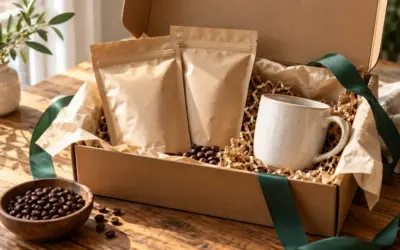

How to choose coffee beans as a gift starts with one question: how will recipient brew them? Coffee beans suit many drinkers, but grind needs, roast preference, freshness, and equipment quickly change which gift makes sense. This guide turns those details into practical choices instead of relying on attractive packaging alone.
Use November 2026 as a reminder to verify roast dates, shipping conditions, and available formats before buying. For broader gift ideas, see this guide to coffee gifts for coffee lovers, then return here when beans remain your preferred choice.
1. Match Beans to Brewing Equipment
Brewing method affects extraction, meaning how water dissolves flavor from ground coffee. Espresso usually needs a fine grind and consistent resistance, while drip brewers, pour-over cones, French presses, and cold brew use different grind ranges.
Ask recipient which brewer they use before choosing a bag. If equipment remains unknown, whole beans provide flexibility for someone who owns a grinder, while pre-ground coffee creates a freshness and compatibility risk.
2. Choose Whole Bean or Ground Coffee
Whole beans usually preserve aroma longer after roasting because less surface area contacts oxygen. They make stronger gifts for people with a burr grinder, but they create extra work for anyone using a basic brewer without grinding equipment.
Ground coffee can be more convenient when grind size matches recipient equipment. Ask whether the coffee will go into a drip machine, espresso machine, or French press, because one grind cannot perform equally well across every method.
3. Read Roast Level Carefully
Light roasts often preserve more origin character and can show bright acidity, floral notes, or fruit-like flavors. They may taste sharper to drinkers accustomed to darker coffee, especially when brewing technique produces uneven extraction.
Medium roasts usually offer a broader middle ground, with noticeable origin character and more developed sweetness. Dark roasts emphasize roast-driven flavors such as bittersweet cocoa, smoke, or toasted notes, but can overwhelm someone who prefers delicate coffees.
4. Consider Origin and Flavor Description
Origin gives useful context, but it does not guarantee one exact flavor. Processing method, roast development, harvest conditions, and brewing variables all influence whether a coffee tastes fruity, nutty, chocolate-like, floral, or earthy.
Flavor notes describe perceived similarities, not added ingredients. A recipient who likes chocolate, caramel, and nuts may prefer a balanced coffee description, while someone seeking unusual cups may enjoy fruit-forward or floral language.
When preferences are unclear, choose a versatile profile rather than an extreme one. You can also pair one familiar bag with one distinctive bag, giving recipient a comparison without forcing one unfamiliar flavor direction.
5. Check Roast Date and Freshness
Roast date matters more than a distant expiration date when evaluating coffee quality. Beans release carbon dioxide after roasting, and excessive degassing can affect brewing behavior, aroma, and perceived balance.
Look for a clearly printed roast date and select coffee with enough remaining freshness for delivery and consumption. Avoid assuming that sealed packaging alone guarantees peak flavor, because storage duration and valve design also affect the coffee.
Do not buy more coffee than recipient can reasonably use while it remains enjoyable. Smaller bags or a modest variety set can work better than a large quantity, especially for occasional drinkers.
6. Account for Quantity, Packaging, and Shipping
Bag size should match brewing frequency, household size, and storage space. A daily coffee drinker may finish beans quickly, while an occasional brewer may need smaller quantities to reduce staleness after opening.
Packaging should protect beans from light, moisture, heat, and excess oxygen. For shipped gifts, review safe ways to pack coffee beans for shipping so presentation does not compromise the contents.
Check delivery timing around holidays and birthdays because freshly roasted coffee may continue changing during transit. If recipient travels or lives in a warm climate, avoid arrangements that leave coffee exposed outdoors for long periods.
7. Add Useful Information Without Overcomplicating the Gift
A simple note can explain roast date, origin, process, suggested brew method, and storage guidance. This information helps recipient use the gift confidently without requiring advanced coffee knowledge.
Store unopened beans in their original sealed package away from heat and sunlight. After opening, keep them sealed and use a clean, dry container; refrigeration and freezing require careful moisture control and can create avoidable flavor problems.
If recipient enjoys espresso drinks, a coffee gift can pair with a coffee accessory, but compatibility matters. A scale, airtight storage container, or suitable grinder accessory may help more than decorative items.
Quick Decision Framework
| Recipient detail | Practical bean choice | Main limitation |
|---|---|---|
| Uses drip brewer | Medium roast with drip-compatible grind | Grind freshness declines after milling |
| Owns burr grinder | Whole beans with clear roast date | Recipient must grind each time |
| Likes bold coffee | Medium-dark or dark roast | Roast flavors may mask origin character |
| Enjoys unusual flavors | Distinct origin or processing style | Profile may not suit everyday drinking |
| Unknown preferences | Balanced medium roast or small variety set | Still involves some taste uncertainty |
When information is limited, prioritize freshness, flexible brewing, and moderate flavor intensity. These choices reduce the chance that gift becomes unusable, while a brief question about equipment can improve accuracy more than brand recognition.
Why You Should Trust Us
We assess coffee gifts through documented product information, brewing compatibility, freshness guidance, packaging details, and ownership practicality. We separate manufacturer or seller claims from editorial interpretation, and we do not treat attractive labels as evidence of better coffee.
That limitation keeps the guidance accurate and lets you apply the criteria to current offerings without invented specifications, prices, or outcomes.
Final Thoughts
The best overall approach is a clearly dated, versatile whole-bean coffee when recipient owns a burr grinder and enjoys choosing brew recipes. For a drip brewer without a grinder, correctly ground coffee offers better daily convenience, but only when grind format matches that brewer.
The best value approach is a moderate quantity with reliable packaging and a flavor profile recipient already understands. For specific use, choose espresso-oriented coffee for an espresso setup, filter-oriented coffee for pour-over or drip, and a smaller variety when preferences remain uncertain.
Skip a highly specialized roast when equipment, taste preferences, and brewing habits are unknown. For more seasonal planning, compare this guide with planning a holiday coffee tasting at home or browse the Coffee Gifts category.
FAQs
How do I choose coffee beans as a gift for someone I do not know well?
Choose a clearly dated medium roast with a balanced flavor description, then confirm whether recipient uses whole beans or pre-ground coffee. Avoid very dark or highly unusual profiles unless preferences are known.
Are whole coffee beans better gifts than ground coffee?
Whole beans usually offer better flexibility and aroma retention, but only for someone with a suitable grinder. Ground coffee is more convenient when grind size matches recipient’s brewer and the coffee will be used promptly.
What roast level makes safest coffee gift choice?
A medium roast often provides a practical middle ground between bright light-roast character and intense dark-roast flavors. Personal preference still matters more than roast label alone.
Should coffee gifts include roast date?
Yes. A roast date helps recipient judge freshness and plan use, while an expiration date alone provides less useful information about peak flavor.
How much coffee should I give as a gift?
Match quantity to recipient’s brewing frequency and household size. Smaller amounts reduce waste for occasional drinkers, while regular drinkers can use larger amounts before flavor declines.
Can I give espresso beans to someone who uses a drip machine?
You can, because espresso is a brewing method rather than a mandatory bean type. However, roast intensity and grind recommendations may not match recipient’s preferred drip profile.
What information should accompany coffee beans as a gift?
Include roast date, origin, flavor notes, process when available, suggested brew method, and storage advice. These details help recipient understand the coffee without needing advanced terminology.
What is a thoughtful alternative when coffee preferences are uncertain?
Choose a small variety of balanced profiles or pair coffee with a practical accessory. A brewing methods guide can help recipient match each coffee to available equipment.