
A holiday coffee tasting can turn familiar coffee into a shared activity, without requiring specialized equipment or formal tasting experience. For how to plan a holiday coffee tasting at home, focus on a small lineup, consistent brewing, and enough time for guests to compare each cup.
Start with coffees that have a reason to be tasted together, such as different roast levels or origins, and keep serving sizes modest. For seasonal present ideas beyond the tasting table, browse our coffee gifts for coffee lovers guide.
Choose a focused tasting theme
A theme gives guests a useful comparison instead of a random sequence of cups. Try contrasting light, medium, and dark roasts, comparing coffees from different growing regions, or exploring whole-bean and decaffeinated options.
Keep the lineup small enough that people can taste carefully without palate fatigue. Three or four distinct coffees usually make a more manageable session than a long list, especially when guests also have food and conversation.
Pick coffees that create a fair comparison
Buy fresh coffee from a reliable source and check roast dates when available. Similar freshness helps reduce one avoidable difference, while clearly different roast levels or origins make comparisons easier to notice.
Decide whether to serve whole-bean coffee ground just before brewing or pre-ground coffee for convenience. Fresh grinding can preserve more aroma, but pre-ground coffee simplifies hosting when you lack a grinder or need to prepare several samples.
Match brewing method and grind to the coffee
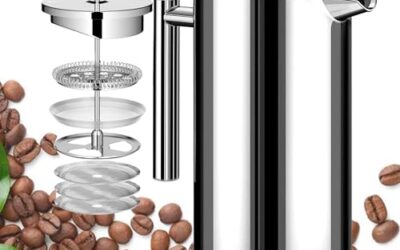
Use the same brewing method for every coffee when the goal is to compare the beans. A drip brewer, pour-over, or French press can all work; consistency matters more than choosing a complicated method.
Grind size should suit your brewer: finer grounds generally slow water flow, while coarser grounds allow faster flow. Avoid changing grind size, dose, and brew method between samples, since multiple changes make it harder to identify why cups taste different.
Standardize portions, water, and serving order
Use the same coffee-to-water ratio and similar water temperature for each batch. A kitchen scale helps repeat coffee and water quantities, but careful measuring cups and a written recipe can also keep preparation consistent.
Serve samples in matching cups when possible, and label them with simple numbers rather than revealing every detail immediately. Start with lighter-bodied or less intense coffees, then move toward darker or fuller-bodied cups so stronger flavors do not dominate early comparisons.
Prepare a comfortable tasting setup
Set out water for sipping between samples, napkins, teaspoons, and a place to record impressions. Plain crackers can help reset the palate, while strongly flavored sweets or spices may make subtle coffee differences harder to notice.
Keep the tasting area clear and serve small pours that can be refreshed as needed. Hot coffee can burn, so place brewers and freshly boiled water away from crowded edges and keep handles, cords, and serving paths unobstructed.
Give guests simple prompts, not a test
Invite guests to notice aroma, acidity, sweetness, body, and finish. Acidity means a coffee’s lively, bright impression, not necessarily an unpleasant sour flavor; body describes how heavy or light it feels in the mouth.
Ask which sample they prefer and what they notice, rather than requiring technical vocabulary. Tasting notes are personal observations, not a scorecard, and different preferences are a useful part of the gathering.
Why You Should Trust Us
This guide focuses on practical tasting principles: changing as few brewing variables as possible, serving manageable portions, and explaining coffee terms in plain language. No product testing or tasting results are claimed here, and no specific coffee is presented as a guaranteed crowd-pleaser.
There is no product data supplied for this guide, so recommendations center on method rather than named equipment. A basic brewer, matching cups, a way to measure portions, and a grinder if you use whole beans can be enough to host a useful comparison.
Final Thoughts
The strongest plan is the one that fits your guests and kitchen: choose a clear theme, prepare a few coffees, and keep brewing variables steady. A scale and grinder may help with repeatability, but neither is essential if you measure carefully and use coffee that suits your setup.
For a gift-oriented extension, our guides to espresso gifts and French press gift sets cover options beyond the tasting itself. To explore brewing equipment and accessories by type, see the brewing methods category.
FAQs
How many coffees should I serve at a holiday tasting?
Three or four coffees create a useful comparison without making the session feel rushed. Serve small pours and add another coffee only if guests remain interested.
How much coffee do I need for each guest?
Plan tasting pours rather than full mugs, and estimate total brewed coffee from guest count, sample count, and pour size. Make a little extra for refills, but avoid brewing large batches that may sit and lose freshness.
Should I use whole-bean or pre-ground coffee?
Whole beans ground shortly before brewing can retain more aroma, while pre-ground coffee reduces preparation and equipment needs. Choose the option that lets you serve every sample consistently and on time.
What is the best brewing method for a tasting?
Use a method you can repeat comfortably, such as drip coffee, pour-over, or French press. Brewing all samples with one method makes the coffee differences easier to compare.
Should guests know which coffee they are tasting?
Either approach works. Numbered, undisclosed samples can reduce expectations about origin or roast, while labeled cups make the event more educational; choose based on the group’s preference.
What food goes well with a coffee tasting?
Offer neutral snacks such as plain crackers, plus optional treats that suit the holiday gathering. Keep strongly spiced or very sweet foods separate until after tasting, since they can overwhelm delicate flavors.
How can I compare coffees without tasting experience?
Notice simple contrasts: which cup smells stronger, feels lighter, or leaves a sweeter impression. There is no required vocabulary, and personal preference matters more than identifying formal tasting notes.
How do I plan a holiday coffee tasting at home in 2026?
Choose a theme, select a small lineup, prepare one consistent brewing recipe, and set out cups, water, and note cards. For more seasonal inspiration, browse the coffee gifts category.