
Choosing the best pour over coffee dripper for beginners requires balancing forgiving brew mechanics with daily convenience. Manual pour over allows precise control over water volume, contact time, and extraction yield. For novice brewers, drippers with high flow variability or demanding pouring requirements often produce cups with harsh bitterness or watery sourness. Selecting gear designed to regulate drainage speed and maintain thermal stability simplifies learning manual coffee basics.
Three distinct designs dominate beginner manual setups: flat-bottom drippers with restricted flow holes, classic single-hole plastic cones, and integrated glass carafes with permanent metal mesh filters. Exploring options in our pour over and kettles guide helps pair these brewers with the necessary kettle setups for predictable extraction.

Pros
- Viewing window prevents mug overflow
- Standard Number 2 filter compatibility
- Lightweight and compact design
- Includes starter filter pack
- Easy rinse-and-dry cleanup
Cons
- Single-serve capacity unsuitable for batches
- Plastic body loses heat faster than ceramic
- Requires manual kettle pour
Specifications
| Color | No Color |
|---|---|
| Size | One Size |
| Dimensions | 6 x 5 x 4 inches |
| Weight | 0.17 pounds |
| Product Group | Outdoors |
| Binding | Apparel |
Verify the current product variation before purchase; specifications may change.
Detailed Review
What stands out in the currently available product data:
- Base cutout provides direct line of sight into mug to prevent overfilling
- Accommodates standard Number 2 cone filters found in most stores
- Includes starter set of paper filters for immediate brewing out of box
- Small footprint rests securely over most standard coffee mugs
- Durable lightweight body makes cone easy to store or pack for travel
- Manual drip design grants user total control over water flow and saturation
Best For / Avoid If
Best for buyers prioritizing
- Viewing window prevents mug overflow
- Standard Number 2 filter compatibility
- Lightweight and compact design
Consider another option if
- Single-serve capacity unsuitable for batches
- Plastic body loses heat faster than ceramic
- Requires manual kettle pour

Pros
- Forgiving flat-bottom design for consistent flow
- Generous 16 to 26 ounce brew capacity
- Stable fit on most mugs and decanters
- Durable heat-resistant glass construction
Cons
- Requires proprietary Kalita Wave 185 fluted filters
- Glass body requires careful handling against drops
- Flow can stall if paper filters collapse
Specifications
| Color | black |
|---|---|
| Size | Оne Расk |
| Dimensions | 9 x 9 x 6 inches |
| Weight | 0.25573622392 pounds |
| Product Group | Kitchen |
| Binding | Kitchen |
Verify the current product variation before purchase; specifications may change.
Detailed Review
What stands out in the currently available product data:
- Flat-bottom geometry maintains a level coffee bed for uniform extraction
- Patented wave profile reduces filter contact to minimize temperature loss
- Three-hole drainage system regulates flow rate and curbs channeling
- Size 185 volume brews between 16 and 26 ounces per cycle
- Heat-resistant glass retains thermal energy during the pour
- Broad four-inch base ring rests securely on cups and decanters
Best For / Avoid If
Best for buyers prioritizing
- Forgiving flat-bottom design for consistent flow
- Generous 16 to 26 ounce brew capacity
- Stable fit on most mugs and decanters
Consider another option if
- Requires proprietary Kalita Wave 185 fluted filters
- Glass body requires careful handling against drops
- Flow can stall if paper filters collapse

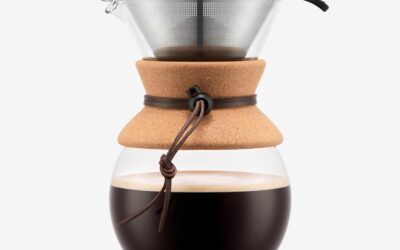
Pros
- Reusable filter saves money and waste
- Heat-resistant borosilicate glass
- Dishwasher safe for easy cleaning
- Compact footprint for countertops
- Cork grip stays cool to touch
Cons
- Glass carafe feels thin and fragile
- Lid does not seal tightly
- Cork band may shift when wet
Specifications
| Color | Cork |
|---|---|
| Size | 34oz |
| Dimensions | 5.625 x 8 x 6.5 Inches |
| Weight | 1.21033781838 pounds |
| Product Group | Kitchen |
| Binding | Kitchen |
Verify the current product variation before purchase; specifications may change.
Detailed Review
What stands out in the currently available product data:
- Reusable stainless steel mesh filter preserves coffee oils and flavors
- Borosilicate glass carafe resists heat and is dishwasher safe
- Cork grip keeps hands cool during pouring
- Brews 34 oz (8 small cups) in 3-4 minutes
- Simple manual process with no plastic parts
- Includes cleaning tool for the reusable filter
Best For / Avoid If
Best for buyers prioritizing
- Reusable filter saves money and waste
- Heat-resistant borosilicate glass
- Dishwasher safe for easy cleaning
Consider another option if
- Glass carafe feels thin and fragile
- Lid does not seal tightly
- Cork band may shift when wet
How dripper geometry dictates beginner extraction
Dripper interior geometry directly influences water flow through ground coffee. Conical brewers funnel water through a tapered column. This concentrates the grounds into a deep apex. If your pour wanders toward the perimeter walls or channels through uneven spots, the center of the bed stalls while the sides remain underextracted. Beginners without dedicated gooseneck kettles frequently struggle with conical flow variation.
Flat-bottom drippers establish an even bed depth across a broader surface area. Water permeates through the entire coffee dose at a uniform depth, dropping fluid drainage evenly through specific base apertures. This reduces flow channeling when pouring technique lacks micro-precision. Brewers experiencing fast flow or weak flavors can review why pour over coffee drains too fast to address bed geometry issues.
Wedge-style drippers feature a narrow bottom slot or restricted drip holes. By slowing the exit rate mechanically, the brewer maintains constant slurry depth. This mechanical restriction protects beginners from over-agitating the slurry, creating a forgiving environment for standard household electric kettles.
Material selection: glass, plastic, and thermal stability
Plastic brew cones
Food-grade plastic drippers offer high thermal insulation during brewing. Plastic absorbs minimal heat from brew water compared to dense ceramic or glass. This directs thermal energy directly into coffee extraction rather than cooling the slurry. Plastic bodies resist drops, thermal shock, and counter impact, making them practical for small kitchens, travel, and everyday beginner use.
Borosilicate glass carafes
Borosilicate glass provides complete chemical neutrality, ensuring zero aroma transfer or lingering stains over extended use. Glass allows direct visibility into fluid volume, helping you gauge drain speed during active pours. The material requires pre-heating with hot rinse water to prevent incoming brew water from dropping below target extraction temperatures. Glass carafes demand careful handling around metal sinks and stone countertops.
Filter types: paper vs stainless steel mesh
Filter media defines clarity, mouthfeel, and cleanup logistics. Disposable paper filters absorb diterpenes like cafestol and kahweol alongside micro-fine coffee particles. The resulting beverage exhibits high flavor separation, bright acidity, and light body. Cleaning paper systems requires simply discarding the compostable filter pack and rinsing the cone.
Stainless steel mesh cones allow natural coffee oils and microscopic silt to pass into the final cup, mimicking the rich texture of a French press. However, reusable steel filters demand coarser coffee grinds to prevent pore clogging. Fine grinds quickly blind the steel mesh, trapping water and creating severe overextraction. Ongoing maintenance requires periodic chemical soaking to dissolve baked-in coffee oils from fine mesh perforations.
Top 3 beginner pour over coffee drippers compared
1. Flat-bottom precision: Kalita Wave Pour Over Coffee Dripper, Size 185
The Kalita Wave Pour Over Coffee Dripper, Size 185 utilizes heat-resistant glass paired with a patented flat-bottom geometry. The wide bed diameter maintains horizontal distribution across ground coffee. Three drainage holes in the base control drawdown speed naturally, preventing premature drainage even if water pouring is irregular.
The dedicated wave filters create air channels between the dripper glass and paper walls, insulating the slurry while guiding water down instead of outward. Accommodating brew volumes from 16 to 26 fluid ounces, the 4-inch base rim sits firmly across mugs and serving carafes. This flat-bottom system delivers uniform extraction without requiring rigid center-pour discipline.
2. Budget single-cup cone: Melitta 64007 1 Cup Black Pour-Over Coffee Brew
For zero-fuss individual portions, the Melitta 64007 1 Cup Black Pour-Over Coffee Brew offers a lightweight plastic cone that sits on single mugs. The interior cone ribbing guides standard Number 2 cone filters, keeping paper suspended for steady drainage. A restrictive single-hole base meters fluid release, slowing exit velocity to ensure adequate saturation contact time.
Cutout slots in the base allow immediate visual monitoring of mug fill levels, preventing spills. The durable plastic construction retains water heat efficiently during extraction and resists accidental drops. It requires no specialized kettle, handling basic kitchen kettles with consistent results.
3. Integrated all-in-one carafe: Bodum 34oz Pour Over Coffee Maker
The Bodum 34oz Pour Over Coffee Maker combines a durable borosilicate glass pitcher with a reusable stainless steel mesh cone. Eliminating ongoing paper costs, this brewer holds up to 34 fluid ounces (rated at eight 4-ounce cups) for multi-cup household batches. A removable cork band protects hands from heated glass surfaces during pouring.
The permanent fine-mesh filter allows aromatic oils to flow directly into the carafe, producing a heavy-bodied brew. To prevent mesh clogs, users must maintain a medium-coarse particle size. Cleanup involves composting bulk grounds and rinsing the mesh insert directly under running water.
Dialing in your beginner pour over parameters
Consistent manual coffee brewing requires matching grind profile, water temperature, and brew ratios to your specific dripper configuration.
Water-to-coffee brew ratio
Start manual brewing using a mass ratio between 1:15 and 1:17. For every 1 gram of ground coffee, add 15 to 17 grams of hot water. For a single 300 ml mug, 18 to 20 grams of coffee provides optimal extraction strength. Consult our detailed pour over coffee ratio guide to balance concentration and yield.
Grind particle size targets
Grind size controls water contact resistance. Fine particles increase surface area but restrict water passage. If your cup tastes hollow or sour, review why pour over coffee tastes weak to adjust grind fines. Use medium grind sizes resembling sea salt for paper-filtered flat drippers and cones, and shift to medium-coarse for permanent stainless mesh filters.
Water temperature and blooming
Brew water temperature should register between 195°F and 205°F (90°C to 96°C). Start every brew by saturating dry grounds with double their weight in water (e.g., 40 grams of water for a 20-gram dose). Allow the coffee bed to bloom undisturbed for 30 to 45 seconds. This pause degasses trapped carbon dioxide, preventing gaseous bubbles from repelling incoming brew water during main pours.
Daily maintenance and troubleshooting workflows
Maintaining drippers guarantees consistent taste and flow speeds across repeated morning routines.
For paper-filter setups, discard paper cones into compost bins immediately after drawdown finishes. Rinse the dripper cone with hot water to remove micro-particulates. Plastic and glass drippers are dishwasher safe, though plastic bodies rinse clean quickly by hand.
For metal mesh carafes, avoid running cold water onto hot borosilicate glass to prevent thermal shock fractures. Remove cork bands before washing carafes. If reusable mesh cones slow down during drawdown, submerge the screen in hot water dissolved with coffee detergent or baking soda for 20 minutes to dissolve built-up coffee lipids.
Frequently asked questions
What is the most forgiving pour over dripper for beginners?
Flat-bottom drippers like the Kalita Wave 185 offer high forgiveness. The three-hole restricted base and level bed geometry prevent fast water channeling, allowing balanced extraction even when using basic pouring kettles.
Do beginners need an expensive gooseneck kettle?
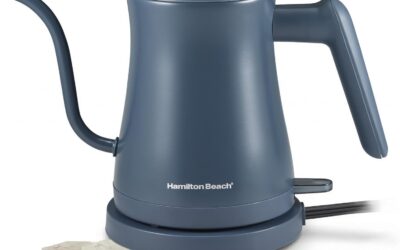
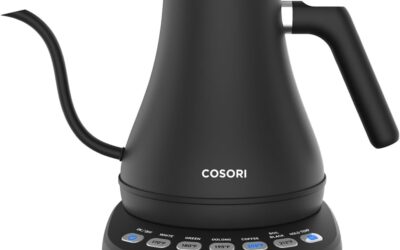
No. While gooseneck kettles improve pouring precision, restricted-flow brewers like Melitta brew cones or flat-bottom drippers manage drainage rates mechanically, allowing beginners to brew successfully with ordinary kettles.
Should I use paper or reusable metal filters when starting out?
Paper filters provide simpler cleanup and clean cup clarity with zero sediment. Reusable stainless steel mesh filters eliminate recurring paper costs and produce full body, but require coarser grinds and dedicated screen washing.
Why does my pour over take more than five minutes to drain?
Drawdown stalls usually stem from overly fine grind particles or excessive pouring agitation that drives micro-fines into filter pores. Coarsen grind settings and pour smoothly in gentle concentric circles to resolve stalls.