
Steeping coffee in cold water requires patience because low temperatures extract soluble compounds far slower than hot water. Knowing how long to steep cold brew coffee prevents weak sour flavors and harsh bitterness in your morning glass. You can explore our dedicated Cold Brew and Specialty guides to refine your full setup.
Extraction speed shifts based on water temperature, grind uniformity, and bean roast density. Dialing in your infusion schedule allows you to craft a balanced concentrate that stays smooth for days.
Brewing Environment and Water Temperature
Ambient room temperature accelerates the dissolution of coffee solubles much faster than an active refrigerator. Countertop brewing between 68 and 72 degrees Fahrenheit typically finishes between 12 and 16 hours. Leaving grounds on the counter past 18 hours risks muddy textures and stale notes.
Refrigerated brewing stabilizes the brew near 38 degrees Fahrenheit, which slows physical extraction and chemical oxidation. This chilled environment requires between 18 and 24 hours to develop full sweetness and body. Deciding where your brewer rests dictates your entire preparation timeline from start to finish.
Grind Size and Particle Consistency
Cold extraction relies on a coarse and uniform particle size resembling sea salt or raw demerara sugar. Using an uneven blade grinder introduces fine powder that saturates quickly and releases harsh bitterness within hours. Investing in a reliable unit from our Coffee Grinders collection keeps your extraction balanced.
When grounds are too coarse, water cannot penetrate the dense core of the bean fragments in time. Conversely, grounds that run slightly fine require a shorter steep to prevent astringency. Uniform particle sizing allows you to adjust steeping duration with absolute confidence.
Coffee to Water Brew Ratios
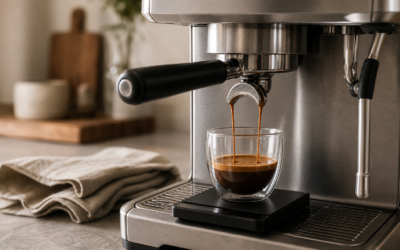
The brew strength you target directly impacts how forgiving your extraction timeline will be. Ready to drink batches use a gentle 1 to 8 or 1 to 10 ratio and finish cleanly near 14 hours. Measuring your inputs using tools like the best digital coffee scales for espresso brewing ensures reliable results.
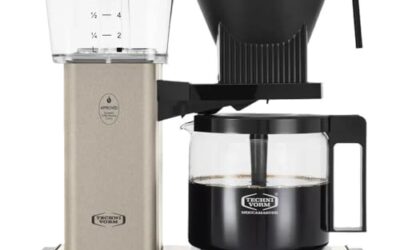
Concentrates intended for milk dilution or iced pours often utilize a 1 to 4 or 1 to 5 ratio. These dense mixtures saturate liquid quickly and benefit from a full 20 to 24 hours in the fridge. Dedicated carafes like the best cold brew coffee maker for coffee concentrate make managing these dense mixtures simple.
| Brew Style | Ambient Temp | Target Steep Time | Ratio by Weight |
|---|---|---|---|
| Room Temp Ready to Drink | 68F to 72F | 12 to 14 Hours | 1:8 |
| Room Temp Concentrate | 68F to 72F | 14 to 16 Hours | 1:4 |
| Chilled Ready to Drink | 36F to 40F | 16 to 20 Hours | 1:8 |
| Chilled Concentrate | 36F to 40F | 20 to 24 Hours | 1:4 |
Bean Roast Profile and Density
Dark roast coffee beans are physically brittle and porous due to extended heating during roasting. They surrender soluble flavor compounds rapidly and develop charcoal notes if steeped past 16 hours at room temperature. Shorter resting times highlight their rich chocolate, roasted nut, and caramel attributes.
Light roast beans maintain a dense cellular structure that water penetrates slowly at lower temperatures. Extending cold water contact up to 24 hours helps unlock pleasant fruit acidity and floral notes. Tailoring your schedule to bean density ensures you highlight the natural profile of each roast.
Vessel Design and Filtration Efficiency
The vessel and filter material you select control how easily liquid drains away from spent grounds. Paper filters strip out oily particulates but can clog if fine sediment sits in the carafe for too long. Metal mesh baskets allow fast flow but let micro grounds pass through into your final decanter.
Immersion jars often require dual filtration through a cloth or paper barrier once brewing ends. Using specialized equipment such as the best cold brew concentrate maker for iced coffee streamlines this separation stage. Prompt filtration halts the extraction process immediately so flavors remain crisp and stable.
Why You Should Trust Us
Our guides evaluate extraction principles, grind surface dynamics, and temperature variables using established beverage science. We analyze how everyday kitchen environments affect solubility and fluid flow without relying on marketing hype. This structured approach gives home brewers predictable techniques that avoid wasted coffee beans.
We focus strictly on practical preparation principles rather than unsupported performance claims. By isolating variables like roast level and water volume, we deliver clear instructions you can trust every day.
Final Thoughts
Mastering your cold extraction routine requires balancing steep duration with storage temperature and grind size. For beginners, a 14 hour countertop immersion using coarse grounds offers the most consistent flavor balance. Those who prefer brewing inside a chilled refrigerator should let the infusion run between 20 and 24 hours.
If you prefer hot immersion brewing with shorter cycle times, compare this technique with our guide on AeroPress vs French Press methods. Adjusting your brew time to match your household schedule ensures a smooth and delicious batch every time.
FAQs
What happens if I steep cold brew coffee longer than 24 hours in 2026?
Steeping past 24 hours breaks down woody plant fibers and bitter polyphenols into the liquid. The brew often develops a harsh, stale taste that overpowers the delicate aromatic notes of the bean.
How long to steep cold brew coffee in the fridge versus room temperature?
Refrigerated brewing requires 18 to 24 hours because the cool 38 degree environment slows down molecular extraction. Room temperature steeping operates much faster and finishes reliably between 12 and 16 hours.
Why does my cold brew taste weak and sour?
Under-extracted coffee tastes sour because bright acids dissolve first while heavier sweet compounds need more contact time. Extending your total steep time by two to four hours usually resolves this imbalance.
Does grind size change how long to steep cold brew coffee?
Fine coffee grounds provide more surface area and accelerate extraction, which requires a shorter steep duration. Coarse grounds demand the full 16 to 24 hour window to yield adequate body and sweetness.
How long does strained cold brew coffee stay fresh in the refrigerator?
Once filtered away from the grounds, refrigerated concentrate stays fresh in an airtight bottle for up to 10 days. Ready to drink batches are best consumed within 3 to 5 days to preserve aroma.
Can I stir the grounds while my cold brew is steeping?
Stirring gently at the start ensures all dry grounds are completely saturated with brewing water. Agitating the mixture later in the cycle can release bitter fines and produce cloudy, silted coffee.
Can I reuse grounds for a second batch of cold brew?
Reusing coffee grounds results in a weak and astringent liquid because desirable compounds dissolve during the initial run. Check our manual brew tutorials in the Barista Accessories section to perfect single batch recipes.