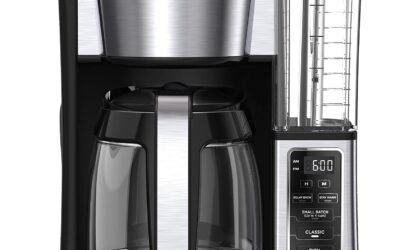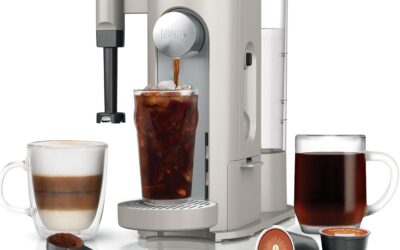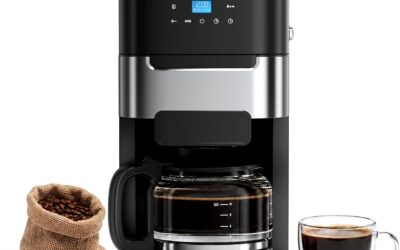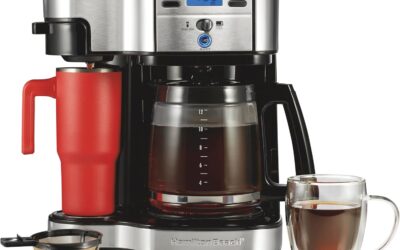
Standard drip machines often struggle to brew balanced coffee because their heating elements produce inconsistent water temperatures. Understanding what does SCA certified coffee maker mean helps you recognize machines engineered to solve these common extraction issues. Exploring certified options across the drip coffee makers category ensures your morning brew extracts full flavor without sourness or bitterness.
The Specialty Coffee Association tests residential equipment against rigorous laboratory benchmarks to evaluate real-world performance. In 2026, knowing how these standards operate allows you to invest in a machine built for genuine cup quality. Reliable temperature control and precise showerhead distribution elevate your daily ritual beyond standard automated brewing.
Buying Guide: What Does SCA Certified Coffee Maker Mean for Your Kitchen
Brew Water Temperature Precision
Water temperature directly dictates which soluble flavor compounds dissolve out of ground coffee during brewing. The Specialty Coffee Association requires machines to maintain brew water between 197.6 degrees and 204.8 degrees Fahrenheit at contact. Cheaper drip brewers rarely hit this threshold, which leaves coffee tasting sour, thin, and noticeably under-extracted.
Certified machines use rapid heating elements or advanced sensors to deliver hot water to the grounds quickly. Maintaining this tight thermal band ensures balanced flavor extraction without scalding the delicate aromatic oils. For households that grind fresh beans, stable brew water temperature provides consistent results from first sip to last.
Brew Time and Water Contact Duration
Contact time measures exactly how long heated water remains in contact with the ground coffee bed. The SCA standard dictates that total water contact must fall between four and eight minutes for standard drip baskets. If water drains too fast, the cup tastes watery; if it stalls, the coffee becomes harsh and astringent.
Dialing in your grind size is essential to keep contact times within this verified window. Pairing your brewer with a reliable burr unit, as discussed in our coffee maker with grinder vs separate grinder comparison, allows you to calibrate flow rates. Precise mechanical showerheads dispense water at uniform speeds to maintain this exact brewing schedule.
Even Saturation and Showerhead Distribution
Uniform water distribution prevents channeling, where water carves paths through the grounds and bypasses the rest. Certified brewers feature wide spray heads that distribute moisture across the entire surface of the coffee bed. This comprehensive coverage ensures every coffee particle contributes evenly to the finished pot.
Many top-tier certified machines introduce a pre-infusion pulse to bloom fresh grounds before full brewing begins. Blooming releases trapped carbon dioxide gas, which allows water to penetrate the grounds evenly. Without proper dispersion, even high-end beans produce muddy and unbalanced flavors in standard carafes.
| Evaluation Metric | SCA Certified Requirement | Typical Budget Brewer |
|---|---|---|
| Water Temperature | 197.6°F to 204.8°F | 175°F to 190°F |
| Brewing Time | 4 to 8 Minutes | 2 to 12 Minutes |
| Soluble Extraction | 18% to 22% Yield | 14% to 17% Yield |
| Carafe Holding Heat | 176°F to 185°F for 30 min | Scorching Hot Plate |
Extraction Yield and Cup Strength
The SCA brewing benchmark targets a total dissolved solids level between 1.15 percent and 1.45 percent. This concentration produces a rich brew that highlights regional bean notes without feeling heavy or bitter. Achieving this range requires the brewer to pull between 18 percent and 22 percent of soluble material from grounds.
Home brewers who track bean weight using tools from our best digital coffee scales for espresso brewing list can match SCA recipe ratios closely. Standard certified recipes recommend 55 grams of ground coffee per liter of fresh water. Following these exact proportions guarantees balanced extraction without guessing water volume or scoop counts.
Carafe Heat Retention and Holding Quality
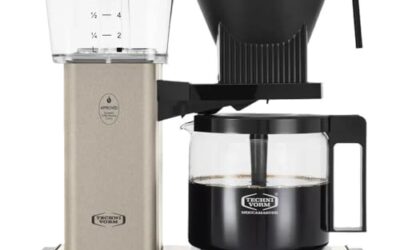
How a machine stores brewed coffee matters just as much as how it delivers hot water. SCA guidelines require holding carafes to keep coffee between 176 degrees and 185 degrees Fahrenheit for thirty minutes. Premium brewers typically rely on double-walled stainless steel thermal carafes rather than continuous hot plates.
Heated glass carafes on electric plates tend to cook delicate liquid, resulting in burnt flavors within minutes. Thermal carafes preserve fresh aromatics and volatile compounds through vacuum insulation without adding heat. Selecting a thermal model ensures your second cup tastes just as smooth and sweet as your first.
Why You Should Trust Us
Our equipment evaluations rely on verified engineering specifications, manufacturer schematics, and published industry standards. We analyze thermal testing data and water flow metrics rather than making subjective marketing assertions. This technical focus provides objective guidance tailored to realistic kitchen workflows and long-term durability.
Specialty coffee brewing requires measurable consistency across temperature, volume, and contact duration. We break down complex technical criteria into practical buying advice so you can purchase with confidence. Every recommendation reflects verified data to help you improve your daily coffee without unnecessary spending.
Final Thoughts
Selecting an SCA certified coffee maker removes the guesswork from morning brewing by guaranteeing precise extraction fundamentals. Knowing what does SCA certified coffee maker mean empowers buyers to look beyond decorative exterior designs. Machines built to meet these laboratory standards consistently extract vibrant fruit, chocolate, and floral notes from quality beans.
For smaller households or compact spaces, exploring options in our best coffee maker for one person guide provides targeted alternatives. Large families may prefer full-capacity thermal brewers that produce ten to twelve balanced cups on demand. Prioritizing certified thermal performance ensures your coffee routine delivers cafe-quality results every day.
FAQs
What does SCA certified coffee maker mean for daily brewing?
It means the machine passed rigorous laboratory tests proving it brews between 197.6 and 204.8 degrees Fahrenheit. It also guarantees proper contact time and even showerhead saturation for balanced extraction. This certification ensures you do not waste premium beans on under-extracted pots.
Are SCA certified brewers worth the higher price in 2026?
Yes, certified brewers offer superior heating components and durable showerhead designs that outlast budget alternatives. They consistently produce superior flavor extraction that standard supermarket brewers cannot achieve. Investing in a certified model lowers bean waste and elevates your morning cup.
Does an SCA coffee maker require special coffee beans?
No special beans are required, though fresh whole-bean specialty coffee yields the most noticeable improvement. Certified machines extract delicate flavor notes from light and medium roasts that cheaper machines leave behind. You will taste a distinct improvement across any roast profile you choose.
How does an SCA brewer compare to an espresso setup?
An SCA drip machine brews clean, large-volume drip coffee using gravity filtration rather than high mechanical pressure. For concentrated shots and milk beverages, review our best super automatic espresso machine guide to understand the difference. Drip brewers produce lighter body and clear flavor clarity.
Can an SCA certified machine use paper or permanent filters?
Most certified machines support standard paper filters, which trap fine sediment and coffee oils for clean cups. Permanent metal mesh filters can be used, though they alter flow rates and permit more insoluble solids into the carafe. Unbleached paper filters typically match laboratory testing standards closest.
What is the golden cup standard referenced by the SCA?
The golden cup standard defines ideal coffee extraction where 18 to 22 percent of coffee solids dissolve into the water. This produces a balanced brew strength without bitter compounds or sour undertones. Certified brewers are built specifically to hit this statistical target consistently.
How often should you descale an SCA certified brewer?
You should descale your machine every one to three months depending on your home water hardness level. Mineral scale buildup insulates heating coils, causing water temperatures to drop below certified standards. Regular maintenance preserves thermal efficiency and protects internal plumbing from premature failure.