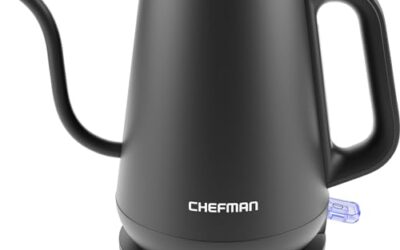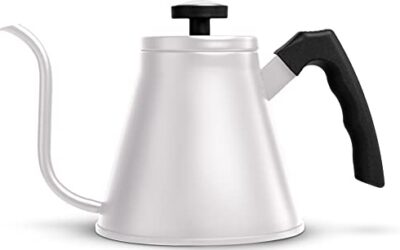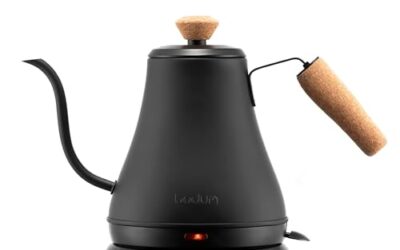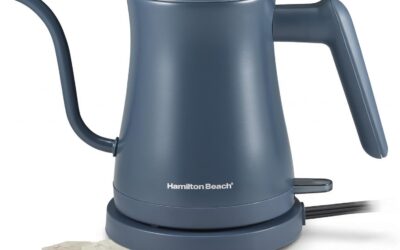
Kettle temperature overshoot means water rises above a selected temperature before heating stops or the reading settles. It matters most when you use temperature-controlled kettles for pour-over, tea, or other brewing methods where repeatable water temperature helps keep your routine consistent.
There are no products supplied for this guide, so it does not rank kettles or name a winning model. Instead, it explains how to recognize overshoot, separate it from measurement error, and decide whether your kettle’s behavior needs a practical adjustment.
For context on kettle styles, browse the Coffee Kettles category. Kettle design, temperature controls, and your brewing method all affect whether a small temperature difference deserves attention.
Overshoot is the amount by which water temperature exceeds a chosen target during or after heating. If you set a kettle to 200°F and water briefly reaches a higher temperature, that increase is overshoot, assuming the reading is accurate.
It can happen because heating elements and water do not stop gaining heat instantly when a controller switches them off. Sensor placement, control logic, residual heat, and how the kettle reports temperature can shape the displayed or measured result.
Start with the Temperature You Actually Need
First, check the temperature target in your recipe or brewing routine. Pour-over recipes commonly specify water temperature, but grind size, pouring pattern, coffee dose, and contact time also affect extraction, so temperature is only one variable.
For many home brewers, consistency matters more than chasing a single supposedly perfect setting. If your coffee tastes balanced and your process repeats reliably, a small brief overshoot may not justify changing equipment or technique.
Distinguish Overshoot from Measurement Error
A kettle’s display is not automatically a direct measurement of every part of the water. The built-in sensor may sit near the base or heating area, while water temperature can vary slightly by location and change as heat circulates.
For a basic check, use a separate, suitable thermometer and follow its instructions. Keep the probe from touching the kettle’s metal walls or bottom, since contact can distort a reading, and compare readings at the same point in the heating cycle.
Repeat the Check under Similar Conditions
One reading cannot show whether overshoot is repeatable. Use the same water amount, starting temperature, target setting, lid position, and measurement timing across several heating cycles, then note the display and independent thermometer readings.
Do not compare a nearly full kettle with a small amount of water and treat the difference as a control defect. Different water volumes and starting temperatures change heating time and residual heat, which can change what you observe.
Consider Controller Behavior and Residual Heat
Some kettles stop heating when a sensor reaches the selected target; others may use different control behavior. The element and nearby water can retain heat after shutoff, so temperature may continue climbing briefly even when active heating has ended.
Check the manual for instructions on temperature settings, holding temperature, and automatic shutoff. If the manufacturer does not publish control accuracy or sensor details, do not assume a specific tolerance from the display alone.
Match a Fix to Your Brewing Routine
If repeatable checks show a modest overshoot, try setting a slightly lower target and verify the water temperature before pouring. The adjustment should be based on your kettle’s observed behavior, not a universal offset that may not apply to another model.
You can also allow water to cool briefly after heating, but use a thermometer if your recipe calls for a precise range. An unmeasured waiting period varies with water volume, room conditions, kettle material, and whether the lid remains on.
Weigh Convenience against Control
A variable-temperature kettle can make repeatable settings easier than heating water and waiting without a measurement. Yet a displayed target does not guarantee exact water temperature, and added controls may not matter if you brew without temperature-sensitive recipes.
For pour-over, a gooseneck spout may help control water flow, while temperature control addresses a different part of brewing. Explore pour-over and kettle options by considering both functions rather than assuming one replaces the other.
Why You Should Trust Us
This guide uses the supplied topic and general principles of heat transfer, temperature measurement, and coffee preparation. No product specifications, independent test results, or manufacturer documents were provided, so it makes no model-specific accuracy claims.
We distinguish a definition from a diagnosis: overshoot describes temperature exceeding a target, while deciding whether a particular kettle has a problem requires repeatable measurements and the manufacturer’s stated guidance. No hands-on testing is claimed.
Final Thoughts
Kettle temperature overshoot is a brief rise above the selected target, often influenced by sensor response and residual heat. Confirm what happens with repeatable measurements before changing your recipe or replacing your kettle.
No products were supplied, so a best overall, best value, or best-use recommendation would be unsupported. If shopping, compare documented temperature controls, spout design, capacity, cleaning requirements, and warranty terms against your daily brewing needs.
For broader equipment context, see the Coffee Accessories category and our guide to gooseneck kettle features. Choose added temperature control only if it solves a real workflow or consistency need.
FAQs
What is kettle temperature overshoot?
It is the amount water temperature rises above a selected target during or after heating. Confirm readings consistently before deciding whether the difference affects your brewing routine.
Why does water keep heating after the kettle switches off?
The heating element and nearby materials retain heat after power stops. That residual heat can continue transferring energy to the water for a short time.
Does kettle overshoot ruin pour-over coffee?
Not necessarily. Brewing outcome depends on several interacting variables, including grind size, pouring, contact time, and coffee dose, so temperature alone cannot predict the cup.
How can I check whether my kettle overshoots?
Compare its display with a suitable separate thermometer across repeated cycles. Keep water volume, starting temperature, target, and measurement timing consistent, and prevent the probe touching the kettle.
Should I set my kettle below my recipe temperature?
Only if repeatable measurements show that your kettle exceeds its target and a lower setting brings water closer to your intended temperature. Avoid applying another kettle’s adjustment to yours.
Can a kettle display show the exact water temperature?
Not necessarily. Display accuracy depends on the kettle’s sensor and control system, and a reading at one location may not represent every part of the water.
Is temperature control worth paying attention to when choosing a kettle?
It can help if you regularly follow recipes with specific temperature targets. Compare documented controls and practical features; browse coffee kettle types if you are weighing designs.
Does opening the lid prevent kettle overshoot?
Opening the lid may change heat loss, but it is not a precise temperature-control method. Use a thermometer or verified kettle setting when a specific temperature matters.