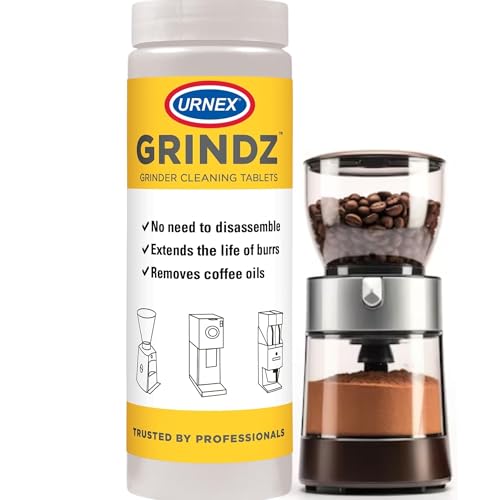

Yes, you can grind oily coffee beans in a burr grinder, but frequent use may leave residue on burrs and inside the grounds chute. Whether that tradeoff makes sense depends on your grinder design, cleaning routine, and how often you brew dark-roasted coffee.
For 2026, this guide explains practical ways to reduce buildup without promising that every grinder handles oily beans equally well. The supplied product feed lists 0 products, so recommendations here focus on grinder care and choosing beans rather than ranking models.
If you are comparing grinder styles for home or travel, browse our coffee grinder category for related coverage.
Can You Grind Oily Coffee Beans in a Burr Grinder?
Understand what oily beans leave behind
The sheen on coffee beans usually comes from oils migrating to the surface during roasting, especially with darker roasts. Those oils can cling to burrs, the chamber, and the chute as beans break apart.
Some residue is a maintenance issue, not proof that a grinder will fail. Over time, accumulated coffee particles and oils can become stale, affect the aroma of later batches, or make grounds cling together.
Check your grinder’s instructions and design
Before grinding oily beans regularly, check the manual for cleaning instructions and any restrictions on oily or flavored coffee. Grinder designs vary, and the manufacturer’s guidance is more useful than assuming all burr grinders tolerate the same use.
Pay attention to access around the burrs and grounds outlet. A grinder that opens for routine cleaning may be easier to maintain than one that requires tools or has a narrow, difficult-to-reach chute.
Choose roast level for your cleaning tolerance
Dark roasts are more likely to show a glossy surface, while lighter roasts often look drier. Roast labels are not perfectly standardized, so inspect the beans rather than relying only on words such as “espresso” or “French roast.”
If you enjoy dark coffee but dislike frequent cleanup, try a less oily batch before committing to a large supply. A medium or medium-dark roast may provide a similar direction in flavor with less visible surface oil, though the result depends on the coffee.
Keep grind setting and dose consistent
Oily beans do not automatically require a different grind setting. Start with the setting you normally use for the brewing method, then adjust based on brew time and taste rather than changing several variables at once.
Use the same dose when comparing beans, and record adjustments if you switch between roasts. Espresso is especially sensitive to grind changes because a small change in particle size can alter resistance and shot flow.
Clean residue without damaging burrs
Unplug the grinder before cleaning, and follow its manual for removing accessible parts. A dry, soft brush can clear loose grounds from areas the manufacturer identifies as user-serviceable.
Do not rinse burrs or internal electrical components unless the instructions explicitly allow it. Avoid household oils, solvents, and improvised scraping tools; these may leave residue or damage surfaces.
Grinder-cleaning pellets are made for some grinder types, but compatibility and directions vary. Check the product instructions and grinder manual before using them, and do not treat pellets as a substitute for removing compacted grounds when manual cleaning is required.
Decide whether convenience outweighs upkeep
If you grind oily beans daily, plan for more frequent inspection and cleaning than you might with visibly dry beans. The exact interval depends on use and grinder design, so watch for residue rather than following an invented universal schedule.
Occasional use may be a reasonable compromise when your grinder is easy to clean and its manual permits the beans. If cleaning access is poor or the grinder already struggles to feed beans, choosing a drier roast may simplify daily use.
Why You Should Trust Us
This is an informational guide, not a report of hands-on grinder testing. No product specifications, durability results, or manufacturer instructions were supplied, so we do not claim that a particular burr design is immune to oily-coffee buildup.
We separate general coffee-care guidance from grinder-specific instructions: residue can accumulate, but each machine has its own cleaning limits. For broader equipment comparisons, see our guide to coffee grinders with built-in scales.
Final Thoughts
You can grind oily beans in a burr grinder when its instructions allow it, but expect to monitor residue and clean accessible areas as directed. There is no product data here to support best-overall, best-value, or use-specific model recommendations.
Choose based on your priorities: keep your preferred dark roast if maintenance is manageable, or switch to visibly drier beans if cleanup becomes a nuisance. For a portable alternative, compare considerations in our portable camping grinder guide.
FAQs
Can oily coffee beans damage a burr grinder?
Oily beans do not automatically damage every burr grinder, but residue can collect in the grinding chamber and chute. Follow the manual and monitor how easily beans feed and grounds exit.
Do oily beans clog burr grinders?
Residue and compacted grounds can contribute to poor flow or blockages, particularly if a grinder is not cleaned. A clog is not inevitable; grinder design, usage, and maintenance all matter.
Are oily beans bad for espresso grinders?
They can leave residue in espresso grinders too. Because espresso depends on consistent grind size and flow, keep the grinder clean and adjust settings gradually when changing beans.
How often should I clean my grinder after oily beans?
There is no single schedule for every grinder. Inspect areas identified in the manual and clean when residue accumulates, grounds stop flowing freely, or stale odors persist.
Can I use rice to clean oily coffee residue?
Do not use rice unless your grinder manufacturer explicitly approves it. Hard grains may stress components or fall outside the grinder’s intended use; follow the manual’s cleaning method instead.
Will oily beans make coffee taste rancid?
Oils left in a grinder can become stale and may affect the aroma of later grounds. Regular cleaning helps limit old residue, but it cannot guarantee a particular flavor outcome.
Which beans are easier to grind in a burr grinder?
Beans with a dry-looking surface generally leave less visible oil residue than glossy beans. Roast appearance is a practical clue, though bean type and roast labeling vary.
Can I switch between oily and dry beans?
Usually, if your grinder instructions permit both. Brush out accessible loose grounds between changes when directed, since leftover particles can mix into the next dose.
What should I check before buying a grinder for oily beans?
Look for clear cleaning instructions, accessible user-serviceable areas, and guidance about oily beans. Our espresso dosing cup guide also covers accessories that can support a tidier grinding workflow.