
Choosing between pour-over and French press comes down to how you like to brew, what kind of cup you prefer, and how much attention you want to give each batch. Pour-over uses a filter and a controlled stream of water, while a French press steeps grounds before a metal mesh separates them.
Neither method is automatically better, and both depend on fresh coffee, a suitable grind, and a sensible coffee-to-water ratio. This guide to pourover coffee vs french press explains the practical differences, how to prepare each method, and which tradeoffs matter most.
1. Cup texture and filtration
Pour-over usually runs brewed coffee through a paper filter, which catches most fine particles and some coffee oils. The result is generally a cleaner-feeling cup, though the filter type and dripper design affect flow and the final character.
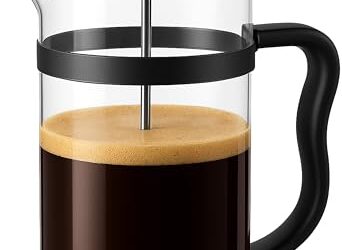
A French press uses a plunger with a metal mesh screen rather than paper. More oils and fine particles can remain in the drink, making it feel fuller-bodied; a little sediment at the bottom is normal, not necessarily a sign of poor brewing.
2. Control and attention during brewing
Pour-over gives you direct influence over how water reaches the grounds. Pouring steadily in stages can help wet the coffee evenly, but the technique takes attention and can produce inconsistent results if your pouring pace changes from one brew to another.
French press is more straightforward: add coffee and water, allow the grounds to steep, then press the plunger slowly. It requires less pouring technique, but steep time and grind still matter. Pressing separates grounds from the coffee; it does not stop extraction as completely as removing the brewed coffee from them.
3. Grind size and extraction
French press is commonly brewed with a coarse grind, which is easier to separate through a mesh screen. Too many fine particles can pass through or settle in the cup. A burr grinder can help produce more uniform grounds, although the grinder is an additional purchase and takes counter space.
Pour-over generally uses a medium to medium-fine grind, adjusted to the dripper, filter, and pouring rate. If water drains too quickly, the coffee may taste weak; if it drains very slowly, the cup can become harsh or overly extracted. Change grind size gradually rather than changing several variables at once.
4. Timing, routine, and batch size
With pour-over, you actively manage the pour and watch the water drain. That makes it useful for someone who enjoys a deliberate single-cup routine, but less convenient if you need to prepare coffee while handling other morning tasks.
French presses are sold in different capacities, so check the manufacturer’s stated volume and consider how many servings you normally make. Larger batches may suit a shared breakfast, while a small press can be easier to store. Do not assume a labeled cup equals a full US measuring cup.
5. Equipment, filters, and ongoing costs
A pour-over setup needs a dripper, compatible filters, a vessel, and hot water. Paper filters are a recurring supply and should match the dripper’s shape and size. A gooseneck kettle can make controlled pouring easier, but it is not essential to understand the method or make a basic cup.
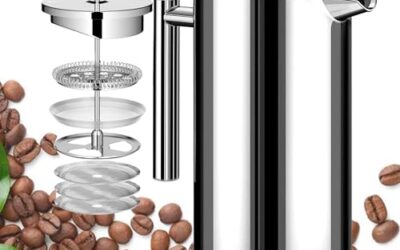
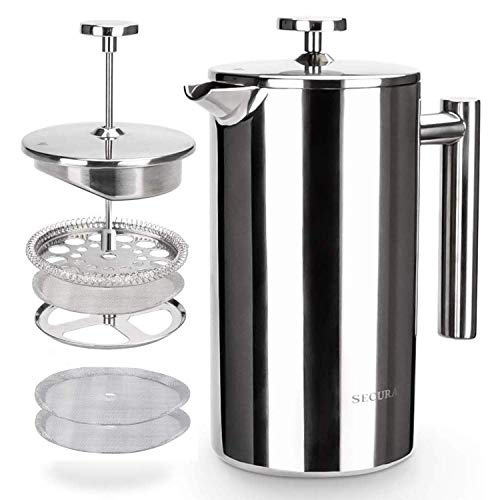
A French press combines brewing and filtering in one vessel and does not require paper filters. Its mesh assembly needs rinsing and occasional careful cleaning, and replacement parts may depend on the model. Check the manufacturer’s care instructions, particularly for glass vessels and any components that should not go in a dishwasher.
6. A practical starting method for each
For either method, begin with fresh coffee, clean equipment, and a consistent amount of coffee and water. A kitchen scale makes it easier to repeat a ratio, but you can begin with the ratio recommended by the brewer’s manufacturer and adjust to taste.
For pour-over, rinse a paper filter if its instructions recommend it, add grounds, and wet them evenly with a small initial pour. Continue pouring in a controlled manner, keeping the grounds wet without overflowing the dripper. For French press, add grounds and hot water, stir gently if the manufacturer’s instructions advise it, steep consistently, and press slowly.
Water should be hot enough to extract coffee effectively, but avoid handling boiling water carelessly. Use a stable surface, keep hot vessels away from children, and follow the brewer’s manual for safe use, cleaning, and temperature guidance.
Why You Should Trust Us
Our guidance focuses on how brewing design affects cup texture, preparation, and day-to-day cleanup. We distinguish general brewing principles from details that vary by dripper, press, filter, and manufacturer instructions.
There are no product recommendations here because the comparison is about brewing methods rather than specific models. Check a brewer’s manual for its capacity, compatible filters, care requirements, and any instructions that differ from these general steps.
Final Thoughts
Choose pour-over if you value a cleaner cup and enjoy controlling the pour. Its main tradeoff is attention: consistent results depend on a steady routine, and paper filters add an ongoing supply to keep on hand.
Choose French press if you prefer a fuller-bodied cup, want to brew without disposable paper filters, or like a simple steep-and-plunge routine. It can leave sediment, and the mesh and vessel need cleaning after each batch.
For a first setup, pick the method that fits the coffee you enjoy and the effort you can repeat on an ordinary morning. If you are undecided, consider whether a cleaner cup or a richer texture matters more; that preference is often a more useful guide than equipment complexity.
FAQs
Is pour-over coffee stronger than French press?
Strength depends on the amount of coffee relative to water, grind, and extraction, not just the brewer. French press often feels fuller because more oils and fine particles remain in the cup, while pour-over is commonly cleaner in texture.
Which method is easier for beginners?
French press is often simpler to start because it does not require managing a careful pouring pattern. Pour-over is also approachable, but learning to pour consistently may take practice.
Does French press coffee have more sediment?
It can. The metal mesh lets more fine particles and oils remain in the coffee than a paper filter typically does, so pour slowly and leave the last sediment-heavy portion in the press if you prefer a clearer cup.
What grind should I use for pour-over and French press?
French press generally calls for a coarse grind, while pour-over commonly uses a medium to medium-fine grind. Exact settings depend on the grinder and brewer, so adjust gradually based on drain time and taste.
Can I use pre-ground coffee in either method?
Yes, though pre-ground coffee may not match the ideal grind for your brewer and can lose freshness more quickly after opening. If the cup tastes unbalanced, try changing the coffee-to-water ratio or choosing a grind suited to the method.
Which method is better for making several servings?
Either can make more than one serving if the brewer has enough capacity. Check the manufacturer’s stated volume and remember that a larger brew may require a different recipe or more careful pouring to wet the grounds evenly.
How should I clean a French press?
Remove and discard the grounds, then rinse the vessel and plunger assembly. Follow the manual for disassembly and dishwasher guidance, and avoid forcing or bending the mesh components during cleaning.
Which should I choose for pourover coffee vs french press in 2026?
Choose based on your preferred texture and routine, not the calendar: pour-over favors a cleaner cup and active control, while French press favors a fuller body and a simple steep. A consistent grind and recipe matter with either method.