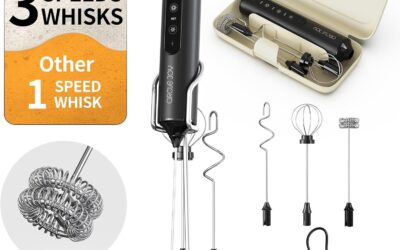

Oat milk can split, turn grainy, or lose its smooth texture when heated too quickly or combined with acidic coffee. To steam oat milk without splitting, start with cold milk, use gentle steam, and stop before it becomes excessively hot.
Results vary by brand and formulation, so no method guarantees identical foam in every pitcher. For equipment options and workflow ideas, browse our milk frother guides, then use the steps below to control heat and texture.
Oat milk is an emulsion: water, oat solids, oil, and other ingredients are blended to create a pourable drink. Heat and acidity can destabilize that mixture, making it look separated or feel less smooth.
Choose a Barista-Style Oat Milk
Look for oat milk labeled for barista use or steaming. These products are formulated to foam and pour into coffee, though ingredients and performance differ by brand.
Regular oat milk may still steam, but it can produce thinner foam or separate more readily. Check the carton for storage instructions and shake it if the label recommends doing so.
Start Cold and Use a Clean Pitcher
Pour cold milk into a clean, cool pitcher. Cold starting temperature gives you more time to introduce air and build texture before the milk gets too hot.
Use enough milk to cover the steam wand tip, but leave room for expansion. A pitcher filled too high can overflow; too little milk makes it harder to keep the tip submerged consistently.
Purge and Position the Steam Wand
Purge the wand briefly before steaming to clear water or condensation, following your machine’s instructions. Keep the wand tip near the milk surface at first, with the pitcher angled to encourage a gentle whirlpool.
Listen for a quiet paper-tearing sound as air enters; loud spluttering usually means the tip sits too high. Once milk volume expands slightly, lower the tip enough to mix air through the milk instead of adding more.
Control Air and Heat Gradually
Introduce air near the beginning, then keep the tip just below the surface to circulate and refine the foam. Too much stretching creates large bubbles and can make oat milk feel dry or unstable.
Stop when the pitcher feels hot but remains comfortable to handle briefly, or use a thermometer and follow the milk maker’s guidance. There is no single ideal temperature for every oat milk, and overheating can harm texture.
Finish Quickly and Combine with Coffee
Wipe and purge the wand immediately after steaming, following the machine manual. Tap the pitcher gently and swirl it to disperse larger bubbles, then pour soon while the foam remains integrated.
Acidic coffee can encourage separation, especially if the milk is very hot. Pour espresso into the milk gradually or add steamed milk to coffee in a steady stream; avoid letting either sit for long before serving.
Match Technique to Your Equipment
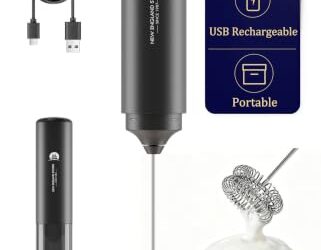
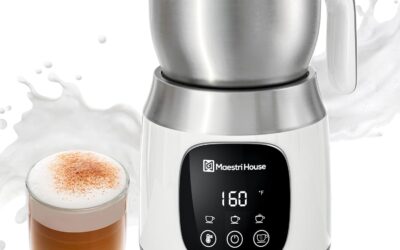
A steam wand gives you direct control over aeration and circulation, while an automatic frother usually handles heating and mixing for you. Automatic settings can be convenient, but they may offer less control over foam density and temperature.
If you use a separate frother, follow its fill lines and milk compatibility instructions. Our milk frother guide can help you understand equipment styles, but the milk carton and appliance manual should guide everyday use.
Why You Should Trust Us
We base this guide on general steaming principles and the product information available for this page. No product data or documented hands-on results were supplied, so we do not claim comparative testing or rank specific appliances.
Oat milk recipes vary, and manufacturers may give different heating or handling directions. Treat the carton and equipment manual as the authority for compatibility, care, and temperature guidance.
Final Thoughts
The most reliable starting point is cold, barista-style oat milk, a clean pitcher, restrained aeration, and gradual heating. If milk still separates, change one factor at a time: try another formulation, reduce heat, or limit contact with very acidic coffee.
No products were supplied for this guide, so we cannot name a defensible best overall, value, or use-specific pick. Compare frother types in our coffee accessories section and choose equipment that fits your capacity, cleanup, and control needs.
FAQs
Why does oat milk split when I steam it?
Excessive heat, a particular milk formulation, or contact with acidic coffee can destabilize oat milk. Try steaming from cold and stopping earlier, then test a barista-style option if separation continues.
Should oat milk be cold before steaming?
Cold milk gives you more time to add air and circulate it before heating. Keep the carton refrigerated according to its label, and pour only what you need into the pitcher.
Can you steam regular oat milk?
Often, yes, but results depend on the product’s formulation. Regular oat milk may foam less consistently than a version designed for coffee, so adjust aeration and avoid overheating.
How much air should I add to oat milk?
Add air briefly at the start, then submerge the wand tip enough to circulate the milk. Excess aeration can create oversized bubbles and a dry texture rather than fine, integrated foam.
What temperature should oat milk reach?
There is no universal target for every brand. Follow the carton guidance when available, avoid excessive heat, and use a thermometer if you need repeatable temperature control.
Can oat milk split in acidic coffee?
It can. Coffee acidity and temperature may affect how the milk holds together, so avoid overheating the milk and combine it with coffee soon after steaming.
Can I re-steam oat milk that has cooled?
Repeated heating can further weaken texture and may not restore smooth foam. Steam only the amount you plan to use, and follow the product’s storage and handling directions.
How do I clean a steam wand after oat milk?
Wipe the wand with a clean damp cloth and purge it as directed by the machine manual. Prompt cleaning helps prevent milk residue from drying inside or around the tip.
Is a frother easier than a steam wand for oat milk?
An automatic frother can simplify heating and mixing, while a steam wand allows more manual control over aeration. Compare cleanup and operating steps in our milk frother category guide.