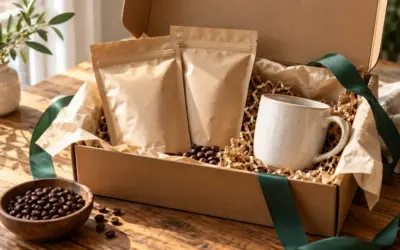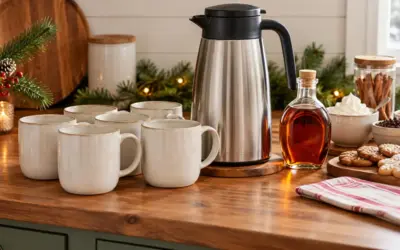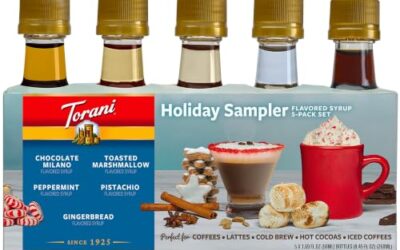

Learning how to build a coffee gift basket starts with one question: how does recipient make coffee? A thoughtful basket matches brewing habits, storage needs, flavor preferences, and available counter space instead of collecting unrelated accessories.
Use 2026 as planning context, but verify current product details before buying. This guide covers 0 possible gift components, with practical ideas for beginners, drip coffee drinkers, pour-over brewers, and espresso enthusiasts. Browse the Coffee Gifts category for related ideas.
Start With the Recipient’s Brewing Method
Brewing method should control most basket decisions because filters, grind size, accessories, and coffee format vary between equipment types.
For drip coffee users, choose whole beans or ground coffee, filters compatible with their machine, and a practical scoop or storage container. Pour-over recipients may value a gooseneck kettle, paper filters, a scale, or a simple brewer.
Espresso owners need different gifts, including a suitable grinder, dosing cup, cleaning brush, milk pitcher, or microfiber cloth. Avoid buying machine-specific accessories unless you know the portafilter size and equipment design.
Choose Coffee Based on Freshness and Preference
Coffee gift baskets work better when coffee matches recipient preference, not when packaging becomes the main attraction. Ask whether they prefer light, medium, or dark roasting, and whether they enjoy fruit-forward, nutty, chocolatey, or traditional flavors.
Whole beans preserve more grinding flexibility, but ground coffee suits recipients without grinders. Check roast dates when available, and avoid buying quantities too large for the recipient’s normal consumption.
Single-origin coffee can offer distinctive flavor, while blends often provide familiar balance. If preferences remain unknown, include two smaller coffees with different roast profiles rather than one large bag.
Prioritize Useful Accessories
A useful accessory improves daily workflow, solves a known inconvenience, or supports more consistent brewing. A scale helps measure coffee and water, while an airtight container helps reduce exposure to air, moisture, heat, and light.
Filters make practical additions when compatibility is clear. Paper filters should match brewer shape and size, while reusable filters require cleaning and may produce a different body than paper.
For milk drinkers, a frother or thermometer can complement coffee, but these items add cleaning requirements. A small brush, descaling reminder, or replacement gasket may provide more value than another decorative object.
Match Basket Size to Storage Space
Basket size affects usefulness, shipping risk, and presentation. Compact baskets suit apartment kitchens and recipients with limited storage, while larger baskets work for shared households or entertaining.
Plan the arrangement before buying contents. Place the tallest item toward the back, protect fragile pieces with padding, and keep coffee sealed until gifting.
A simple planning formula helps: choose one centerpiece, two or three consumables, one practical accessory, and one personal note. More items do not automatically create a better gift.
Consider Compatibility and Operating Cost
Compatibility matters for filters, capsules, grinders, replacement parts, and espresso tools. Confirm the recipient’s equipment before selecting anything that depends on size, connector style, voltage, or brewing system.
Operating cost also matters. Paper filters, cleaning tablets, descaler, milk, and specialty coffee create recurring expenses, while durable tools may cost more initially but serve longer.
Read manufacturer instructions for electrical accessories and cleaning products. Do not place liquids, loose powder, or unprotected food beside electrical equipment during presentation.
Build Around a Clear Theme
A theme makes basket choices feel intentional. Possible themes include a pour-over morning, espresso at home, iced coffee, office coffee, decaf relaxation, or coffee and dessert pairing.
For pour-over, combine compatible filters, coffee, a scale, and brewing notes. For espresso, choose coffee, a cleaning item, and one accessory that fits the recipient’s machine.
Use the recipient’s routine as a filter for every item. A person who drinks coffee at work may prefer a travel mug and simple preparation, while a hobbyist may appreciate tools that improve dose and extraction control.
Package Coffee Safely
Keep beans or grounds sealed in their original packaging unless repackaging is necessary. Original labels preserve roast information, ingredients, allergen details, and preparation guidance.
Protect glass, ceramic, and electrical items with padding. Avoid placing heavy objects on coffee bags, and keep the basket dry during storage or transport.
For shipping details, follow the practical guidance in how to pack coffee beans for shipping as a gift. For homemade flavored additions, review how to label homemade coffee syrup gifts.
Why You Should Trust Us
Our approach separates documented product information from editorial interpretation. We assess compatibility, brewing purpose, cleaning demands, storage, durability considerations, and likely value without claiming personal ownership or physical product use.
Because no product data accompanies this guide, it does not assign model-specific recommendations or invent specifications. Use manufacturer manuals and current listings to verify dimensions, materials, warranties, electrical requirements, and accessory compatibility before purchase.
Final Thoughts
There is no defensible best overall product here because the listed product list contains no models. The strongest basket usually combines coffee suited to the recipient, one compatible accessory, and one item supporting cleaner or more consistent preparation.
A value-focused basket can center on fresh coffee, compatible filters, and a storage container. A specialty-focused basket can add a scale, suitable kettle, or espresso cleaning tool, but only after confirming the recipient’s brewing setup.
Skip decorative items that create clutter, machine-specific parts without compatibility information, and large coffee quantities that may lose freshness before use. For broader gift planning, see coffee gifts for coffee lovers and the Coffee Accessories category.
FAQs
How do you build a coffee gift basket for a beginner?
Choose approachable coffee, a compatible brewing accessory, filters if needed, and a short preparation guide. Avoid advanced tools that require technique the recipient has not requested.
What coffee belongs in a gift basket?
Select whole beans or ground coffee according to the recipient’s equipment. Match roast style and flavor preference, and favor freshness over oversized packaging.
How many items should a coffee gift basket contain?
There is no fixed number. One centerpiece, two or three consumables, one useful accessory, and a personal note usually create a focused presentation.
Should coffee gift baskets include whole beans or ground coffee?
Whole beans suit recipients with grinders and preserve flexibility. Ground coffee suits people who need convenience, but grind size should match their brewing method.
What accessories make coffee gifts more useful?
Scales, compatible filters, storage containers, cleaning brushes, and suitable kettles can improve preparation. Choose based on known equipment and routine.
How should coffee be stored before gifting?
Keep coffee sealed in a cool, dry, dark place. Avoid heat, moisture, strong odors, and unnecessary transfers between containers.
What should you avoid when building a coffee gift basket?
Avoid incompatible filters, unknown machine parts, excessive coffee quantities, fragile loose packaging, and products requiring maintenance the recipient will not want.
How can you make a coffee gift basket feel personal?
Use recipient preferences, brewing habits, and schedule as selection criteria. Add a note explaining why each item belongs, rather than filling space with extras.