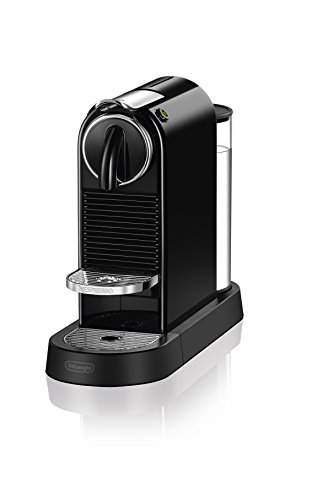

If you are wondering how much caffeine is in a Nespresso pod, the useful answer is that there is no single amount for every capsule. Coffee type, serving size, and the way you brew it all matter, so the capsule name and manufacturer information are better guides than a universal estimate.
Use the steps below to find the closest available figure and understand what it means for your cup. This guide focuses on interpreting caffeine information and planning your servings, rather than ranking machines or capsules.
A capsule’s caffeine content depends partly on the coffee inside it. Arabica and Robusta are different coffee species, and Robusta generally contains more caffeine by weight than Arabica, but a blend’s exact amount also depends on its proportions and the quantity of coffee used.
Capsule systems also offer different drink sizes and recipes. A small espresso serving and a longer coffee may use different capsule formats or brewing settings, so do not assume that every drink made with one brand contains the same amount.
Start with the exact capsule name
Read the name and format on the capsule sleeve or packaging, then look for that exact product on the manufacturer’s official website. Similar names can refer to different blends or capsule systems, and their caffeine information may not be interchangeable.
If the packaging gives a caffeine figure, check whether it refers to one capsule, one prepared serving, or another stated amount. That distinction matters: the caffeine in a capsule is not necessarily the same as the caffeine in a larger drink prepared with more than one capsule.
Check the coffee blend and its limits
Some manufacturers identify the coffee species or blend characteristics, which can offer context but do not establish an exact caffeine amount. A capsule described as intense, dark, or bold is not automatically higher in caffeine, because those descriptions can refer to flavor and roasting rather than caffeine content.
Likewise, the machine’s intensity setting or the drink’s strength in the cup should not be treated as a caffeine measurement. If the manufacturer does not specify caffeine for the exact capsule, a precise number cannot be reliably worked out from taste, color, or intensity alone.
Keep capsule format and machine system in view
Nespresso sells capsule systems with different formats and compatible machines. Confirm that the information you find applies to your capsule line, since product names, serving options, and available details can vary between systems.
The machine manual can clarify which capsule formats fit and which brew settings are available. It may not list caffeine amounts, so use it for operating guidance and consult the capsule packaging or manufacturer for drink-specific information.
Separate capsule count from cup size
For a simple daily tally, count the capsules you use and note whether each drink uses one or more. If the manufacturer states caffeine per capsule, multiply that figure by the capsule count; if it states caffeine per prepared serving, use the serving definition it gives.
Adding water to a drink changes its volume and taste, but it does not remove caffeine already extracted into the cup. A longer beverage can therefore taste milder without having less caffeine than the same coffee prepared in a smaller amount of water.
Account for other caffeine during the day
A Nespresso drink is only one possible source of caffeine. Include other coffee, tea, soda, energy products, chocolate, and any relevant medicines or supplements when considering your overall intake.
If you are trying to reduce caffeine, changing the number of capsules or choosing a decaffeinated option may be more useful than changing only the drink’s water volume. Decaffeinated coffee is not necessarily caffeine-free, so check the manufacturer’s description if even a small amount matters to you.
Use a sensible estimate when no figure is published
When an exact figure is unavailable, label your record as an estimate rather than presenting a guessed number as fact. You can still compare your own routines by recording capsule names, capsule counts, and serving sizes consistently.
For a reliable capsule-specific answer, contact the manufacturer with the exact product name and capsule format. Do not infer a precise caffeine amount from a general coffee chart, because those figures may describe different beans, brewing methods, or serving sizes.
Why this guide emphasizes capsule-specific information
We explain the factors that can change a capsule’s caffeine content and distinguish manufacturer statements from general coffee knowledge. That distinction helps prevent flavor descriptions, cup size, and machine settings from being mistaken for an exact caffeine figure.
Capsule recipes and product details can change, so the packaging and current manufacturer guidance are the practical references for a specific blend. Where an exact amount is not stated, we recommend treating it as unknown rather than claiming a number that cannot be verified.
Final thoughts
There is no single caffeine amount that applies to every Nespresso pod. The most useful approach is to identify the exact capsule, check whether the manufacturer gives a figure and what that figure measures, then count the capsules used in your drink.
Remember that a bolder taste does not guarantee more caffeine, and adding water does not reduce the caffeine already extracted. If you need to limit your intake for a health-related reason, ask a qualified health professional for advice suited to your circumstances.
FAQs
How much caffeine is in a Nespresso pod?
It varies by capsule and coffee blend. Check the packaging or the manufacturer’s information for the exact capsule; if no figure is stated, its precise caffeine content is not established by the capsule’s flavor description.
Does a stronger-tasting Nespresso capsule have more caffeine?
Not necessarily. Intensity and roast descriptions commonly communicate flavor characteristics, not a measured caffeine amount, so they are not a dependable way to compare caffeine.
Does a larger Nespresso drink contain more caffeine?
Drink volume alone does not tell you how much caffeine is present. A larger drink may be made with more water, another capsule, or a different capsule format, so check the recipe and capsule details.
Does adding water to espresso lower its caffeine?
Adding water makes the drink larger and can make its flavor less concentrated, but it does not remove caffeine already in the espresso. The amount in the cup remains based on the coffee extracted.
Are decaffeinated Nespresso pods completely caffeine-free?
Do not assume that decaffeinated means zero caffeine. Check the manufacturer’s product information for the particular capsule if residual caffeine is important to your decision.
How can I estimate caffeine from multiple capsules?
If the manufacturer states an amount per capsule, multiply it by the number of capsules used. If the figure is per prepared serving instead, follow that serving definition and avoid applying it to a different recipe without clarification.
Can I tell caffeine content from the capsule color or intensity number?
No dependable exact amount can be read from color or intensity alone. Use those features to understand product identity or flavor guidance, then look for caffeine information tied to the exact capsule.
Where should I look up caffeine for my Nespresso capsule?
Start with the capsule sleeve and the manufacturer’s current product information, matching the exact name and system. If caffeine is not listed, contact the manufacturer rather than relying on an unrelated estimate.