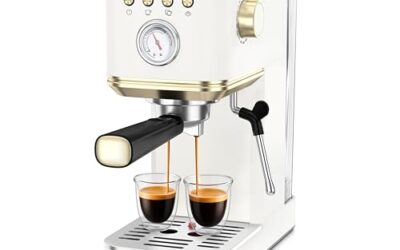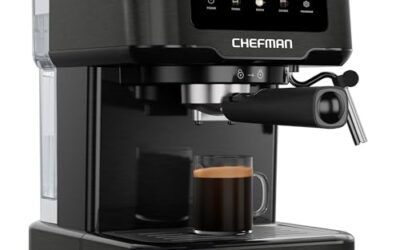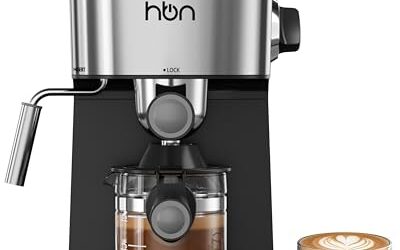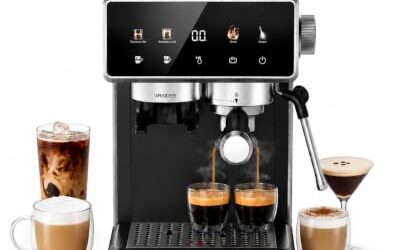
A cortado and a piccolo latte both pair espresso with steamed milk, so their names can sound interchangeable. In practice, recipes and serving sizes vary between cafés, making the drink description more useful than the name alone.
This guide explains the usual distinction, how to order each drink, and how to make a balanced version at home. For espresso preparation fundamentals, see our step-by-step guide to dialing in dark roast espresso.
cortado vs piccolo latte: What Changes in the Cup?
A cortado is commonly made with espresso and roughly an equal volume of warm, textured milk. A piccolo latte is generally a small latte, often served in a small glass with a ristretto shot and a greater proportion of milk.
These are common conventions, not universal standards. Cafés may use different shot counts, glass sizes, and milk amounts, so the same menu name can produce a noticeably different drink.
1. Compare proportions, not just drink names
The cortado’s near-equal espresso-to-milk balance usually keeps espresso prominent while softening its intensity. The milk adds texture and reduces sharpness without turning the drink into a milk-forward latte.
A piccolo latte usually gives milk a larger role relative to espresso, though its compact serving still tastes more concentrated than a full-size latte. Ask how many espresso shots the café uses and what size it serves if you want a reliable comparison.
2. Understand ristretto and regular espresso
Ristretto means a shorter espresso extraction, made by stopping the shot earlier than a typical espresso recipe. It uses less beverage water from the coffee dose; it is not simply a smaller dose of coffee.
Some piccolo recipes specify ristretto, but café practice differs. A short extraction can taste concentrated, yet the result depends on the coffee, grind, dose, and brewing recipe rather than the word alone.
3. Consider milk texture and temperature
Both drinks use steamed milk, but milk texture changes how the espresso and milk meet. Fine, glossy microfoam blends smoothly; a thick cap of dry foam can make a small drink feel less integrated.
Milk sweetness becomes more apparent when milk is warmed, while excessive heat can dull its flavor and make the texture less pleasant. At home, steam only enough milk for the cup and avoid overheating it.
4. Match the drink to your taste
Choose a cortado when you want espresso to remain easy to taste, with enough milk to soften its edge. It suits someone who finds straight espresso intense but does not want a large, milk-heavy drink.
Choose a piccolo latte when you prefer a smoother, milkier small drink. If you enjoy comparing espresso recipes, our guide to why espresso crema can look bubbly explains one visible shot characteristic without treating crema as a guarantee of flavor.
5. Use cup size as a clue, not a rule
A small glass is common for both drinks, but vessel size alone does not define the recipe. A café can serve a cortado in a larger cup or make a piccolo with a smaller-than-expected milk portion.
For a fair comparison, ask about shot count, espresso style, and approximate milk volume. These details explain more than the cup’s appearance, especially when cafés use their own house definitions.
6. Make a home version with repeatable ratios
Start by pulling a measured espresso shot into a small cup, then add warm, textured milk gradually. For a cortado-style drink, begin near equal volumes; for a piccolo-style drink, use more milk relative to espresso.
Treat those proportions as starting points, not fixed standards. Keep the coffee dose and extraction method consistent while adjusting milk, so you can tell whether the balance improves.
If the drink tastes harsh, check espresso extraction before adding more milk. If it tastes weak, reduce the milk or improve the espresso recipe; a longer or shorter shot can change flavor as well as strength.
Why You Should Trust Us
We explain the commonly used meanings of cortado, piccolo latte, espresso, ristretto, and microfoam, while noting where café recipes differ. The available information for this guide contains no product specifications or first-hand tasting evidence, so we make no claims about tested equipment or a universally correct recipe.
Our practical guidance focuses on variables you can ask about or control: shot count, extraction style, milk proportion, and texture. Those factors help you compare menu drinks and adjust a home recipe without treating regional naming conventions as strict standards.
Final Thoughts
For a more espresso-forward small drink, order a cortado and confirm how the café defines its serving. For a softer, milkier option in a compact format, ask for a piccolo latte and whether it uses ristretto.
No products were supplied for comparison, so there is no evidence-based best overall, best value, or specific-use equipment pick to name. If you are choosing a machine for milk drinks, compare options in our latte machine category, then weigh steaming control, cleaning demands, and counter space against your routine.
FAQs
Is a cortado stronger than a piccolo latte?
Often, a cortado tastes more espresso-forward because it commonly has less milk relative to espresso. Actual strength depends on the dose, shot recipe, and café’s proportions.
Does a piccolo latte always use ristretto?
No. Ristretto appears in many piccolo descriptions, but recipes vary. Ask the café whether its piccolo uses ristretto or a standard espresso shot.
How much milk goes in a cortado?
A common starting point is approximately equal volumes of espresso and milk. There is no single measure followed by every café, so serving size can differ.
Is a piccolo latte just a small latte?
It is generally understood as a small latte, sometimes made with ristretto. The exact shot and milk proportions depend on the café’s recipe.
Which drink has more milk?
A piccolo latte usually has more milk relative to espresso than a cortado. Compare the café’s stated recipe if the distinction matters to you.
Are cortado and piccolo latte served in the same glass?
They can be served in similarly small glasses, but glassware does not establish a universal recipe. Cafés choose serving vessels and drink sizes independently.
Can I make a cortado without an espresso machine?
You can make a similar small coffee-and-milk drink with concentrated coffee from another brewer, but it will not be espresso. Espresso requires a brewing method that forces hot water through finely ground coffee under pressure.
How do I order between a cortado and piccolo latte?
Choose cortado for a more balanced espresso-and-milk profile, or piccolo latte for a typically milkier small drink. If the menu is unclear, ask about shot type and milk proportion.
What should I adjust first when making either drink at home?
Keep your espresso recipe steady, then change milk volume to suit your preference. For help diagnosing a shot, see our guide to espresso pucks sticking to the shower screen.