

Thin Espresso Puck Screens We Recommend for Tight Clearance in 2026
Low clearance between coffee puck and group head can make a standard puck screen impractical. Compare thin screens by thickness, basket fit, cleaning needs, and compatibility.
We independently review everything we recommend. When you buy through our links, we may earn a commission. As an Amazon Associate we earn from qualifying purchases.
Low clearance between coffee puck and group head can make a standard puck screen impractical. Compare thin screens by thickness, basket fit, cleaning needs, and compatibility.

A self-leveling tamper can help keep coffee grounds flat before brewing, but fit matters more than extra features. Compare options by basket diameter, spring pressure, and daily workflow.

A magnetic dosing funnel helps keep loose grounds inside your portafilter basket during grinding and puck prep. Choose by basket fit, magnet contact, and how you work around your grinder.

Physical controls can be easier to operate while weighing espresso, but many compact scales use touch controls instead. Compare documented button designs, timing features, and tradeoffs before choosing.

Replaceable needles make a WDT tool easier to maintain and configure for espresso prep. These picks differ in needle count, storage, adjustability, and cleaning features.
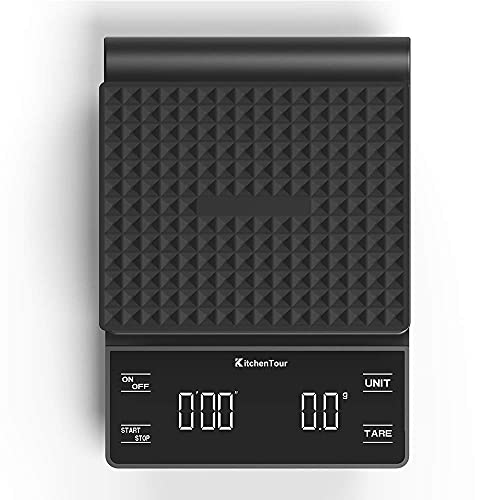
A compact espresso scale needs to fit your machine, cup, and brewing routine without crowding the drip tray. Compare slim designs, useful timing features, and tradeoffs before choosing.

A dosing cup can make grinding into a 58mm portafilter cleaner and easier to manage. These options differ in material, transfer design, and whether they include a distribution step.

Basket capacity describes how much dry coffee an espresso basket is designed to hold. Learn how dose, basket shape, and puck preparation affect your shot and daily workflow.
Tamper size must match your portafilter basket, not just your espresso machine. Use this guide to measure the basket, choose a fit, and avoid common puck-prep problems.
Sour espresso often points to under-extraction, but coffee freshness, roast level, water, and equipment can affect flavor too. Use a measured adjustment process to identify likely cause without changing several variables at once.