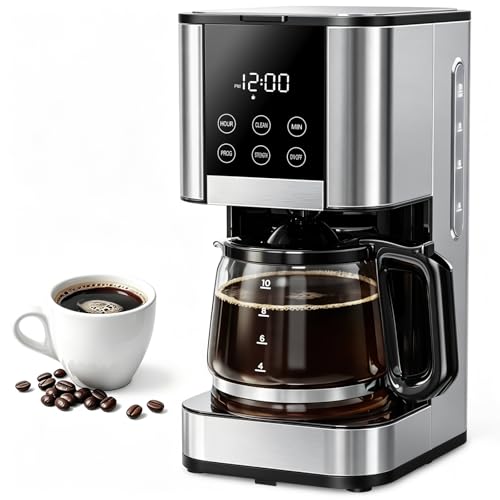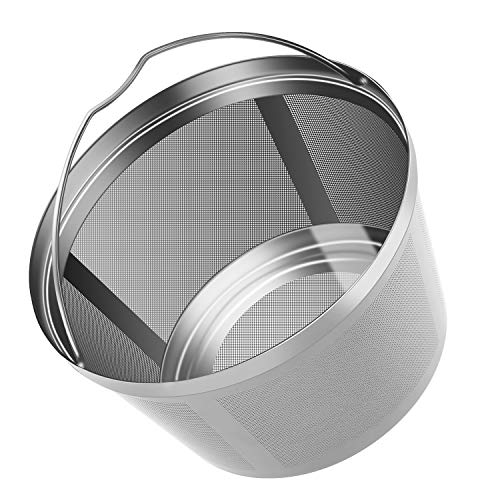
The right coffee for a coffee machine depends first on what the machine accepts. A bean-to-cup hopper needs suitable whole beans; a filter basket needs appropriately ground coffee; a capsule system needs its exact compatible capsules. These formats are not interchangeable. This page covers coffee beans and explains when they are the wrong purchase for your equipment.
Identify the coffee input before choosing a brand
Find the model number and look at the manufacturer’s instructions for adding coffee. Some machines grind beans internally, others accept grounds in a removable basket, and some are restricted to a pod system. A combination machine may support more than one format through separate approved components. The presence of a coffee button does not establish which format it can use.
Do not put grounds into a hopper intended for whole beans or beans into a bypass chute intended for grounds. Likewise, loose coffee is not a direct refill for every capsule arrangement. If reusable capsules are supported, follow their own compatibility and dosing instructions; do not assume any metal capsule fits just because it looks similar.
For a bean-to-cup machine, check restrictions first
Read the machine manual for bean restrictions and grinder-adjustment procedures. Coated, flavored or unusually oily products may be restricted by particular manufacturers. This is model-specific advice, not a claim that every dark roast damages every machine. A marketing roast label cannot confirm a bean’s surface condition or override the equipment instructions.
Changing beans may require several drinks before you are tasting only the new coffee because a grinder retains some material. Follow the approved process rather than reaching into a powered grinder or using improvised cleaning ingredients. Keep a record of the coffee name and settings so that a comparison is not confused by leftover beans or simultaneous drink-volume changes.
For a portafilter machine, separate the bean from the recipe
Whole beans must be ground to suit the machine and basket arrangement. A non-pressurized basket and a pressurized basket do not necessarily need the same adjustment. Starting with a plausible recipe is helpful, but the bag’s espresso wording does not tell you the exact grinder setting, dose or drink yield that your equipment requires.
Measure changes and adjust deliberately rather than chasing pressure advertising on the bag or machine. If you need a complete workflow, use our espresso dial-in guide. That article covers preparation variables; this one is a purchasing-format guide. Keeping those tasks separate makes it easier to diagnose a disappointing drink without buying the wrong product.
For filter and capsule systems, choose the appropriate route
Whole beans can be used for filter coffee after grinding to suit the brewer. They cannot be poured straight into the water reservoir or brewed intact in an ordinary paper filter. If you want convenience without owning a grinder, choose an appropriate ground version. Check filter shape and batch instructions when deciding the grind.
For sealed capsule systems, buy the specified compatible format instead of this loose-coffee shortlist. Original-style and Vertuo-style products, for example, are not automatically interchangeable. A compatible coffee name is not the same as compatible packaging. Verify the exact machine system and current listing, including any regional differences, before ordering a large supply.
Choose by preference after compatibility is settled
Only after establishing the correct format should you compare roast style, blend and caffeinated versus decaffeinated choices. Make a small first purchase when possible, and avoid changing strength, volume and grind all at once. A very dark cup, strong aroma or abundant crema is not a reliable measurement of caffeine content or overall quality.
For a concrete example of why model instructions matter, consult the JURA IMPRESSA C9 manual. Its handling guidance belongs to that equipment, not automatically to every machine on the market. Product selection here is based on verified ingredient identity, not hands-on machine compatibility testing.
Coffee options and what they actually contain
These are ingredient choices, not coffee makers. Product identity and format were checked using the Amazon Creators API on October 12, 2026. We have not performed a controlled blind tasting of these products. The shortlist illustrates different buying priorities rather than establishing an objectively best flavor or a guaranteed match for every machine.
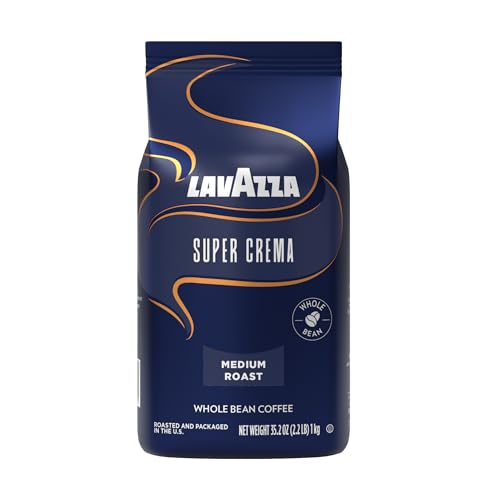
Lavazza Super Crema is listed as whole-bean coffee, an Arabica and Robusta blend, in a 2.2-pound bag. Consider it when you want to grind at home and will consume a larger bag reasonably promptly. The espresso description is a roast and marketing designation, not a restriction that prevents another brewing method. It also does not mean the beans arrive already ground for espresso.
Gaviña Old Havana is listed as whole-bean, medium-dark roast coffee in a 32-ounce bag. It offers another larger-bag option for someone who already has a suitable grinder. The product description associates it with espresso and moka preparation; that is a use suggestion, not independent evidence of better extraction or taste. Choose the roast style according to your own preferences.
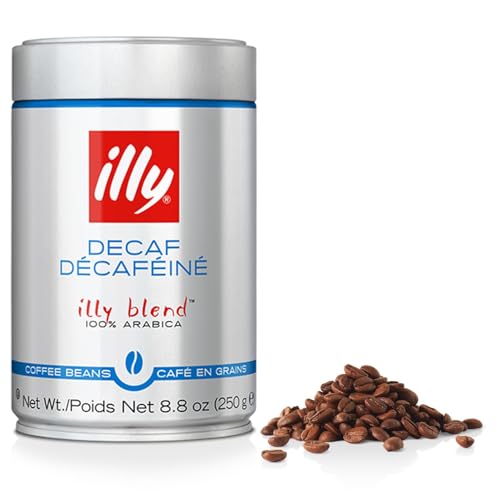
Illy Decaf is listed as whole-bean, classic medium-roast coffee in an 8.8-ounce package. It is the decaffeinated option here and a smaller package to consider when regular coffee is not your preference. Decaffeinated does not mean completely caffeine-free. Check the current manufacturer information if caffeine intake is a medical concern, rather than treating this guide as a health recommendation.
Pros
- 2.2 lb whole-bean bag
- Arabica and Robusta blend
- Medium espresso roast
- Single-shot brewing guidance
- Coffee-only ingredients
Cons
- Requires a separate grinder
- Espresso-focused preparation
- Package may vary
Specifications
| Color | Multi |
|---|---|
| Size | 2.2 Pound (Pack of 1) |
| Dimensions | 5.51 x 3.15 x 14.96 inches |
| Weight | 2.2 Pounds |
| Product Group | Grocery |
| Binding | Kitchen |
Verify the current product variation before purchase; specifications may change.
Detailed Review
What stands out in the currently available product data:
- Whole beans let you grind fresh for each espresso brew
- Arabica and Robusta blend brings naturally occurring caffeine
- Medium roast is described as full-bodied with a creamy finish
- 2.2 lb bag suits regular brewing and reduces repurchasing
- Sourced from 15 coffee-growing countries
- Single-shot guide specifies 0.28 oz grounds for a 1 oz shot
Best For / Avoid If
Best for buyers prioritizing
- 2.2 lb whole-bean bag
- Arabica and Robusta blend
- Medium espresso roast
Consider another option if
- Requires a separate grinder
- Espresso-focused preparation
- Package may vary

Pros
- 100% Arabica beans
- Two-pound bulk bag cuts reorder frequency
- Suited to espresso machines and moka pots
- Roasted and packed in Los Angeles
- Ethical sourcing through Direct Impact Initiative
Cons
- Needs a grinder for peak flavor
- Large bag can stale for solo or occasional drinkers
- Subtle citrus notes may divide dark-roast loyalists
Specifications
| Size | 32 Ounce (Pack of 1) |
|---|---|
| Dimensions | 3.35 x 4.92 x 8.25 inches |
| Weight | 1.998708492 pounds |
| Product Group | Grocery |
| Binding | Grocery |
Verify the current product variation before purchase; specifications may change.
Detailed Review
What stands out in the currently available product data:
- Two-pound bag keeps daily espresso drinkers stocked and cuts reorder frequency
- 100% Arabica beans roasted medium-dark for a nutty, sweet cup with subtle citrus notes the roaster describes as smooth and balanced
- Whole bean format lets you grind per shot, protecting aroma and giving you control over extraction
- Blended to work in espresso machines, moka pots, and other specialty brewers
- Roasted, blended, and packed at a zero-waste-to-landfill facility in Los Angeles
- Sourced under Gaviña's Direct Impact Initiative, tying your purchase to ethical sourcing and sustainability programs
Best For / Avoid If
Best for buyers prioritizing
- 100% Arabica beans
- Two-pound bulk bag cuts reorder frequency
- Suited to espresso machines and moka pots
Consider another option if
- Needs a grinder for peak flavor
- Large bag can stale for solo or occasional drinkers
- Subtle citrus notes may divide dark-roast loyalists
Pros
- 100% Arabica whole beans
- Medium roast
- Decaffeinated
- Listed caramel and chocolate notes
- Suitable for fresh grinding
Cons
- Small 8.8-ounce package
- No decaffeination method specified
- No brewing or roast-date details provided
Specifications
| Color | Decaffeinated |
|---|---|
| Size | 8.8 Ounce (Pack of 1) |
| Dimensions | 4 x 5 x 2 Inches |
| Weight | 0.55 pounds |
| Product Group | Grocery |
| Binding | Grocery |
Verify the current product variation before purchase; specifications may change.
Detailed Review
What stands out in the currently available product data:
- Whole beans let you grind fresh for your brewing method
- Medium roast offers a balanced option for everyday brewing
- Listed caramel, toasted bread, and chocolate notes set flavor expectations
- 100% Arabica composition suits shoppers seeking an Arabica blend
- Decaffeinated beans make it an option for coffee without regular caffeine
- Compact 8.8-ounce package works for occasional decaf brewing
Best For / Avoid If
Best for buyers prioritizing
- 100% Arabica whole beans
- Medium roast
- Decaffeinated
Consider another option if
- Small 8.8-ounce package
- No decaffeination method specified
- No brewing or roast-date details provided
Compare value without relying on a headline price
Compare cost per ounce or gram, not bag price alone. A bigger bag can have a lower unit price but be poor value if much of it goes stale before use. Delivery charges, subscriptions, seller changes and pack quantities can reverse an apparent bargain. Review the current listing before ordering; no price quoted elsewhere on this site should be treated as a permanent offer.
Buy a manageable amount first and keep notes about the exact coffee and preparation you tried. Record the bag format, your grinder adjustment, dose and water amount alongside a short taste description. An adjustment that helped one roast may not suit the next. Store coffee sealed, dry and away from heat and strong odors, and follow the package guidance for handling and use.
Questions before you order
Does whole bean work without a grinder? Not directly: the coffee must be ground before brewing. If you do not own a grinder, buy an appropriate ground version or ask a roaster to grind for your brewing method. Do not put whole beans into a filter basket intended for grounds.
Does an espresso label guarantee compatibility? No. The actual format, grind and your brewer’s instructions matter more than the word espresso on a bag. These listings contain coffee rather than capsules, so they are not drop-in replacements for sealed pods. Check the variant and pack size at checkout, since similarly named products can be sold in different forms.