Espresso basket capacity is the amount of ground coffee a basket is designed to hold, usually expressed as a dose in grams. Understanding espresso basket dose capacity explained in practical terms helps you match your coffee dose to your basket instead of forcing a recipe into the wrong space.
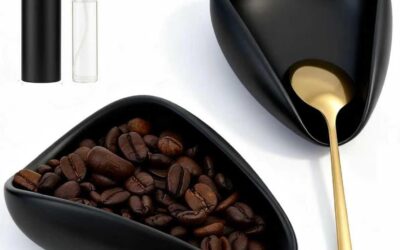
Capacity is a useful starting point, not a guarantee that one exact dose suits every coffee. Roast level, grind, basket geometry, and the clearance beneath your machine’s shower screen all affect the workable range; this espresso dosing cup guide covers one tool that can make weighing and transferring grounds tidier.
Read the stated capacity as a starting range
A basket marked for a particular dose is generally intended to work well around that quantity, but the marking is not a strict boundary. Basket manufacturers may describe capacity differently, and the same nominal dose can sit at different heights in baskets with different shapes.
Begin with the basket maker’s stated range, if available, and weigh your dry coffee in grams. If no guidance exists, use the basket’s apparent size only as a rough clue, then adjust based on puck clearance and how the shot behaves.
Match dose to basket geometry and headspace
Headspace means the gap between the tamped coffee puck and the shower screen when the portafilter is locked in. Too little clearance can let the puck contact the screen; excessive space may leave a thinner coffee bed, though neither condition alone proves a shot will taste poor.
Basket diameter, wall angle, and depth shape how coffee occupies the basket. A wider basket can spread the same dose into a shallower bed, so a dose that fits one basket may sit too high or low in another.
Account for roast level and bean density
Roast level can change how much space a given mass of coffee occupies. Darker roasted beans are often less dense and may take up more volume per gram than lighter roasted beans, so identical gram doses need not fill a basket to the same height.
Do not change dose based on roast color alone. Weigh the dose, prepare the puck consistently, and check clearance with your machine; adjust in small steps if the puck contacts the screen or the basket appears poorly matched to your recipe.
Keep dose separate from yield and brew ratio
Dose is the dry coffee placed in the basket. Yield is the espresso beverage mass collected in the cup, and brew ratio compares beverage mass with dry dose, such as a 1:2 ratio.
For example, a 18-gram dose at a 1:2 ratio targets 36 grams of beverage. That arithmetic describes a recipe, not a universal ideal: taste, coffee, grinder, and extraction goals can call for a different ratio.
Choose basket style for your workflow
Single baskets, double baskets, and larger baskets serve different dose and serving needs, but names do not guarantee consistent capacity across brands. A pressurized basket uses restricted outlets to help build resistance and can suit some pre-ground coffee workflows; a non-pressurized basket relies more directly on grind and puck preparation.
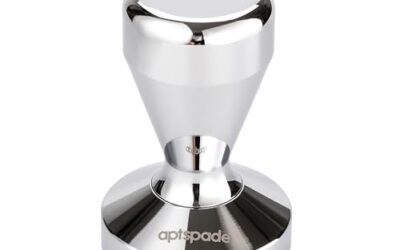
Check compatibility before buying: portafilter diameter, basket dimensions, and fit with your machine matter. If you are refining puck preparation, a correctly sized espresso tamper should match the basket rather than forcing coffee against its walls.
Dial in dose with repeatable steps
Start with a measured dose near the basket’s stated capacity. Distribute grounds evenly, tamp level, and pull a shot while keeping dose, grind, and yield consistent enough to compare results.
If the puck touches the shower screen, reduce dose modestly and check again. If shots run too quickly or slowly, grind size and distribution are common variables to examine; changing dose also changes puck depth, so adjust one variable at a time.
Consider cleaning and replacement needs
Basket holes can collect oils and fine particles, affecting maintenance even when the dose fits correctly. Remove the basket when practical, rinse it after use, and clean it according to your machine and basket maker’s guidance.
Inspect for damage, blocked holes, or a fit that has become unreliable. Basket capacity does not indicate durability by itself, so check material and compatibility information rather than assuming a larger or precision-style basket automatically improves extraction.
Why You Should Trust Us
We explain basket capacity using established espresso terms and practical dose-to-yield reasoning, not claimed taste tests or measurements. No product specifications were supplied for this guide, so we do not rank individual baskets or attribute features to specific models.
Our guidance separates documented labels, such as a manufacturer’s stated dose range, from interpretation about fit and workflow. Check the basket and espresso machine documentation before purchase, especially when replacing a basket or changing portafilter components.
Final Thoughts
The most useful basket is one that fits your portafilter, accommodates your usual measured dose, and leaves suitable headspace. Because no product data is available here, naming a best overall, value, or specialty pick would not be supported.
For a straightforward workflow, begin with the basket supplied with your machine and learn its workable dose before upgrading. A different basket makes sense when its compatibility and stated capacity solve a real problem, not merely because its label suggests a larger dose.
For a tidier workflow, compare the advice in our dosing cup guide and explore the barista accessories category. Neither replaces matching dose, grind, and preparation to your own basket.
FAQs
What does espresso basket dose capacity mean?
It describes the amount of dry ground coffee a basket is intended to hold, usually given in grams. Treat the stated capacity as a working guide because geometry and coffee density affect how the dose sits.
How do I know how many grams my basket holds?
Check the basket marking or manufacturer’s documentation first. If neither gives a range, weigh your dose and evaluate puck clearance rather than relying on basket appearance alone.
Can I use less coffee than the basket’s stated capacity?
Often, but a dose far below the intended range may create a shallower puck and change resistance. Keep preparation consistent and assess the result instead of assuming the labeled number is mandatory.
What happens if I overfill an espresso basket?
The puck may press against the shower screen when the portafilter locks in. Reduce the dose and recheck clearance; avoid forcing the portafilter closed against resistance.
Does basket capacity change espresso strength?
Dose affects the coffee-to-water recipe, but capacity alone does not determine strength. Beverage yield, grind, extraction, and the amount of coffee used all contribute to the cup.
Is an 18-gram dose right for every double basket?
No. Basket designs and stated ranges vary, and coffee volume changes with roast and grind. Use the basket’s guidance and verify that your chosen dose leaves suitable headspace.
How does roast level affect basket fill?
Roast level can affect bean density, so equal doses by mass may occupy different volumes. Weigh coffee rather than measuring by scoop, then check fit in the basket.
Should I change dose or grind when a shot runs too fast?
Start by keeping dose and yield controlled while adjusting grind, since grind size strongly affects flow. Change one variable at a time so you can identify what altered the shot.
Does espresso basket dose capacity explained in 2026 change by machine?
The principle stays the same, but basket dimensions and portafilter compatibility differ among machines. Consult your equipment documentation and see our coffee accessories category for related workflow guidance.