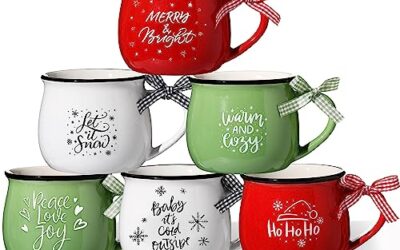
christmas coffee recipes can turn familiar brewed coffee into a seasonal drink without requiring specialized equipment. The strongest results come from matching coffee intensity with sweetness, dairy, spices, and serving size.
This guide covers recipe structure, equipment choices, ingredient handling, and practical tradeoffs for holiday mornings. For gift planning, pair these ideas with the Coffee Gifts category and choose tools that fit your recipient’s routine.
How to Choose christmas coffee recipes
Start With Coffee Strength
Recipe balance begins with coffee concentration, because milk, cream, syrups, and ice all reduce perceived intensity. A lightly brewed cup may disappear beneath rich seasonal ingredients, while overly strong coffee can make spices taste harsh.
Use a regular drip brew for larger servings, concentrated coffee for milk-based drinks, and espresso when a compact, intense base suits the recipe. Coffee strength and caffeine content are different variables, so extra grounds do not automatically create a better drink.
Balance Sweetness and Spice
Cinnamon, nutmeg, clove, ginger, and cardamom can dominate quickly, especially when added directly to the cup. Begin with small amounts, mix thoroughly, then adjust after tasting rather than building a heavy spice blend immediately.
Sweeteners affect more than sweetness. Brown sugar adds molasses notes, maple syrup adds a distinct woodsy flavor, and simple syrup blends evenly because liquid dissolves faster than granulated sugar.
Choose Milk for Texture
Whole milk and half-and-half provide fuller texture, while lower-fat milk creates a lighter drink. Plant-based beverages vary widely, so select versions labeled for coffee when foam stability matters.
Foam changes drinking texture but does not replace good coffee balance. A frother can aerate warmed milk, yet overheating may flatten flavor and create a cooked taste, so use controlled heat and avoid boiling.
Match Equipment to Serving Size
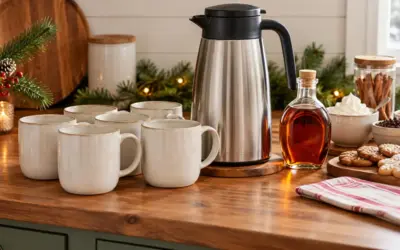
Single-cup recipes favor espresso machines, pod brewers, or small manual brewers because they reduce leftover coffee. Batch recipes need a drip machine, thermal carafe, or insulated serving vessel that keeps multiple portions practical.
Counter space matters during holiday cooking, when equipment competes with dishes and ingredients. A compact kettle or handheld frother may support more recipes than a large appliance used only once each season.
Control Water and Brewing Temperature
Water quality affects coffee flavor because minerals carry dissolved compounds into the cup. Filtered water can reduce unwanted tastes, but very low-mineral water may produce a flatter result depending on the coffee and brewer.
Brewing temperature influences extraction, which means how much flavor coffee grounds release into water. If coffee tastes sour and thin, extraction may be incomplete; if it tastes sharply bitter, the brew may be over-extracted or too concentrated.
Plan Syrups, Garnishes, and Storage
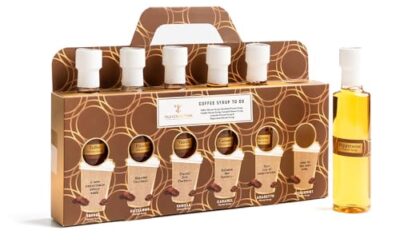
Homemade syrups can simplify repeated preparation, but they need clean containers, clear labels, and sensible refrigeration. Note ingredients and preparation dates, especially when sharing bottles as gifts or serving guests with allergies.
Whipped cream, citrus peel, crushed peppermint, and grated chocolate should usually arrive at serving time. Wet garnishes can dilute coffee, while dry toppings may settle, so prepare them separately and add only when needed.
Consider Cleanup and Daily Workflow
Sticky syrups and dairy residue increase cleanup demands around brew baskets, frothers, steam wands, and mugs. Rinse milk-contact parts promptly, wash removable components according to manufacturer instructions, and avoid leaving sweet residue overnight.
For more equipment guidance, compare the practical workflow in the milk frother guide for making two lattes. A fast recipe is not convenient if cleanup takes longer than preparation.
Recipe Frameworks That Scale
A simple holiday latte uses concentrated coffee, warmed milk, sweetener, and a restrained spice blend. Keep the coffee base strong enough to remain noticeable after milk and foam enter the cup.
For a larger gathering, brew a standard batch, prepare syrup separately, and let guests customize dairy and toppings. This method reduces repeated brewing but sacrifices some freshness for the final servings.
Cold versions need a concentrated base because ice melts and dilutes the drink. Chill coffee before adding ice when possible, since hot coffee can create rapid dilution and a weaker flavor profile.
Non-coffee drinkers can use decaffeinated coffee, roasted chicory, or a milk-forward version with less coffee. Label each serving clearly when guests need to monitor caffeine or avoid specific ingredients.
Why You Should Trust Us
Our guidance separates documented equipment functions from editorial interpretation.
We assess recipes through brewing fundamentals, ingredient behavior, cleaning needs, workflow, and suitability for different serving sizes. Manufacturer instructions should control when equipment limits, heating procedures, or cleaning requirements differ.
Final Thoughts
This guide focuses on recipes rather than ranking specific products. The practical overall choice is a recipe built around equipment already in your kitchen and ingredients your household will use.
Choose concentrated coffee and a milk frother for individual lattes, a reliable batch brewer for guests, or a kettle and manual method when counter space matters most. Readers shopping for seasonal gear can also review christmas coffee gifts for espresso lovers.
Skip complex recipes when preparation requires uncommon ingredients, repeated heating, or difficult cleanup. A balanced coffee with one seasonal flavor often serves more people successfully than an elaborate drink with fragile steps.
FAQs About christmas coffee recipes
What coffee works best for christmas coffee recipes?
Medium or medium-dark coffee often provides enough body for milk, sugar, and spices, but roast preference remains personal. Choose coffee with flavor intensity that matches your added ingredients.
Can I use instant coffee in holiday drinks?
Yes. Dissolve instant coffee fully before adding milk or ice, and use less water than usual when creating a concentrated base for a creamy drink.
How can I make a festive coffee less sweet?
Reduce syrup first, then add spice, citrus zest, or unsweetened cocoa for aroma. Stronger coffee can also restore balance, but excessive concentration may increase bitterness.
Should spices go into coffee grounds or the finished cup?
Adding spices to the finished cup gives better control and easier cleanup. Ground spices may clog some filters or create sediment, so use them cautiously.
Can plant-based milk foam for holiday coffee?
Many plant-based beverages foam, but results depend on formulation, temperature, and frother design. Coffee-specific versions usually provide more predictable texture than basic varieties.
What equipment helps most with festive coffee?
A consistent brewer, accurate kettle, reliable grinder, or milk frother can each improve workflow. Prioritize the tool that addresses your current bottleneck rather than collecting equipment for occasional recipes.
Are christmas coffee recipes different in 2026?
The core brewing principles do not change with the calendar. Seasonal recipes remain flexible, and your equipment instructions should take priority over generic preparation advice.
How should I serve coffee to a group?
Brew a manageable batch, keep dairy separate, and offer sweetener and spices individually. This protects coffee freshness while letting guests adjust strength and sweetness.
For broader holiday planning, the guide to planning a holiday coffee tasting at home can help organize multiple coffees without overcomplicating service.