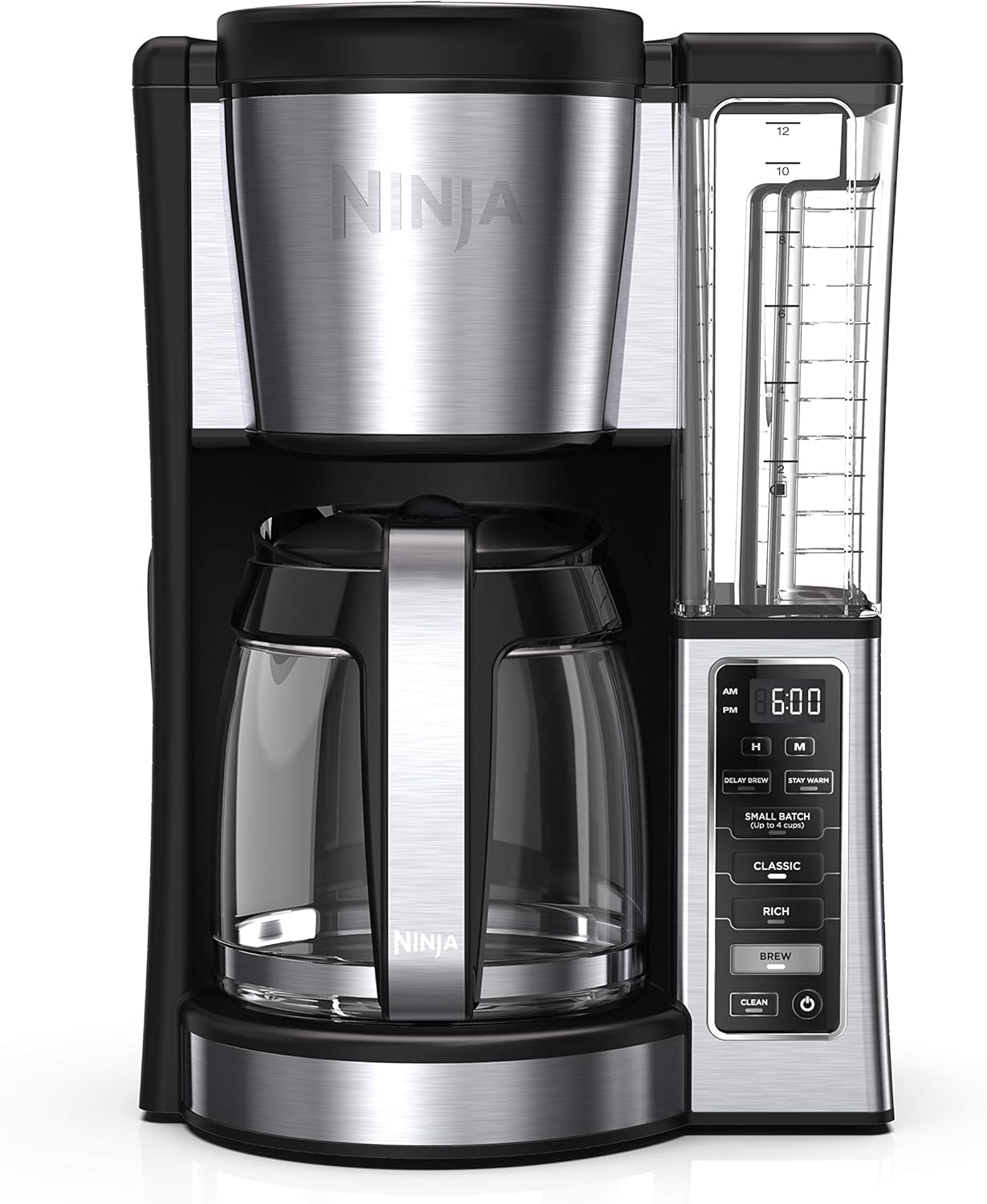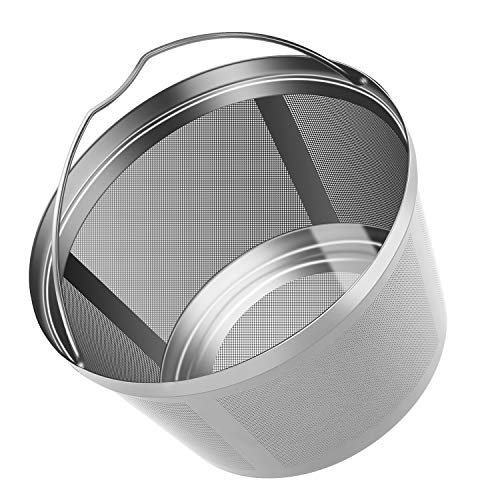

Most standard countertop coffee machines offer reliable brewing service for roughly five years when treated with reasonable daily care. Understanding how long do coffee makers last helps you decide whether to repair an aging brewer or upgrade your setup in 2026.
Daily thermal stress and mineral accumulation steadily degrade internal water lines and heating coils across all styles of drip coffee makers. Catching tiny performance drops early protects your morning routine and prevents expensive counter leaks before they ruin your kitchen surfaces.
Internal Heating Element and Boiler Construction
The heating element is the hardest working component in any coffee maker because it flashes cold water to brew temperature. Entry level machines rely on stamped aluminum flash boilers that slowly pit and corrode from recurring thermal shock.
Higher grade brewers utilize stainless steel or copper tubing that resists aggressive pitting from corrosive mineral build up. Investing in commercial style boiler materials usually doubles operating life and keeps water temperature steady for many extra brewing seasons.
Water Quality and Scale Accumulation
Unfiltered municipal water carries dissolved calcium and magnesium that bond permanently to the hot walls inside internal pipes. These chalky mineral deposits steadily restrict flow, forcing quiet water pumps to run hot and fail prematurely.
Flushing the system with safe descaling solutions every three months breaks down early calcium formation before it crystallizes. Using soft filtered water from dedicated pitchers keeps narrow pathways clear and preserves crisp coffee extraction over many years.
Mechanical Simplicity Versus Digital Automation
Simple toggle switch machines routinely outlive intricate smart brewers because they contain fewer fragile components that can break down. Complex digital displays and programmable microprocessors suffer when exposed to rising moisture, steam, and ambient kitchen heat.
Integrated equipment also carries shared points of mechanical breakdown that can leave the whole system unusable. For instance, reviewing a coffee maker with grinder vs separate grinder highlights how separate units simplify home repairs and minimize replacement costs.
Expected Lifespan by Brewer Type
Different brewing designs experience unique mechanical strains that directly dictate their overall operational durability. Here is a breakdown of realistic service expectations based on internal design and average consumer kitchen habits.
| Brewing Equipment Style | Typical Life Expectancy | Primary Point of Failure | Maintenance Requirement |
|---|---|---|---|
| Basic Drip Coffee Maker | 3 to 5 Years | Thermal Fuse or Scale Clog | Quarterly Descaling Cycle |
| High-End Drip Machine | 8 to 12 Years | Silicone Tubing Wear | Bi-Monthly System Rinse |
| Single-Serve Pod Unit | 3 to 4 Years | Pump Valve or Puncture Needle | Monthly Needle Flushes |
| Manual Pour-Over or Press | 10+ Years | Glass Carafe Breakage | Routine Soap Washing |
Pump Mechanisms and Pressure Gaskets
Vibratory pumps rely on small internal rubber grommets that stretch and weaken over hundreds of repetitive brewing routines. Once these seals dry out or shift, moisture seeps into the lower chassis where sensitive power electronics live.
Purchasing units with replaceable silicone gaskets ensures you can swap cheap wear items without discarding the entire appliance. Checking the countertop under your brewer each week exposes minor drops before water damages the base motor.
Daily Duty Cycles and Thermal Fatigue
A compact home machine built for one fresh morning pot breaks down fast when forced to brew back to back carafes. Heavy brew routines require commercial grade electronics like those found in the best coffee machine for office setups built for continuous cycles.
Allowing home brewers to cool completely between runs prevents intense heat accumulation from softening structural plastic brackets. Respecting the rated capacity of your machine shields internal wiring harnesses from premature insulation fatigue and burning.
Why You Should Trust Us
Our appliance evaluations focus strictly on engineering specifications, documented internal part quality, and verified maintenance reports. We assess how common plumbing setups, boiler alloys, and chassis designs resist prolonged contact with boiling water and corrosive minerals.
We do not accept sponsored product placements or financial incentives that could compromise our editorial independence. Our goal is providing honest, practical repair perspectives so American consumers can maximize their brewing investments and reduce home waste.
Final Thoughts
Pinpointing how long do coffee makers last depends on finding the right harmony between material build and routine cleaning. Simple mechanical brewers often deliver dependable service for over five years, while premium copper heated designs easily surpass a decade.
Solo drinkers who want quick convenience without long term mechanical trouble should investigate the best coffee maker for one person for smaller counters. Pairing filtered brew water with diligent seasonal descaling remains the absolute best defense against sudden morning equipment failure.
FAQs
What is the average lifespan for how long do coffee makers last in 2026?
A typical residential drip machine lasts between three and six years with ordinary consumer use. Well made units with copper or stainless steel boilers frequently reach eight to twelve years when given proper descaling care.
What are the first signs that a coffee maker is about to die?
Common warning signals include lukewarm brew temperatures, sputtering pump noises, unusually prolonged brew times, and water pooling underneath. Temperature drops typically suggest that internal mineral crusts have insulated the heating element or burned out the thermostat.
Does descaling regularly really extend the life of a coffee maker?
Yes, descaling eliminates heavy mineral scale that narrows water tubing and forces the heating block to overwork. Dissolving these deposits prevents internal thermal fuses from blowing out during intense morning heating cycles.
Is it cheaper to repair a broken coffee maker or replace it?
Budget drip machines under fifty dollars are rarely worth repairing because parts and labor quickly exceed replacement price. In contrast, premium models from the espresso machines category feature modular valves and gaskets that are easily replaced at home.
Can hard tap water permanently ruin a drip coffee brewer?
Hard water causes concentrated lime scale that can completely plug narrow copper heating channels beyond chemical recovery. Once water flow stops entirely, the dry heating element spikes in temperature and permanently trips safety thermal cutoffs.
Why does my coffee maker switch off before the water reservoir empties?
Early cycle shutoffs occur when heavy mineral scale tricks internal safety thermostats into detecting an overheating condition. Running diluted white vinegar or citric acid clears the blockage and restores smooth thermal regulation across the boiler.
Do pod coffee machines last as long as standard drip machines?
Single serve pod machines generally have shorter lifespans of roughly three to five years due to complex micro pumps. Their fine puncture needles and narrow check valves clog much faster than the open showerheads on traditional drip systems.