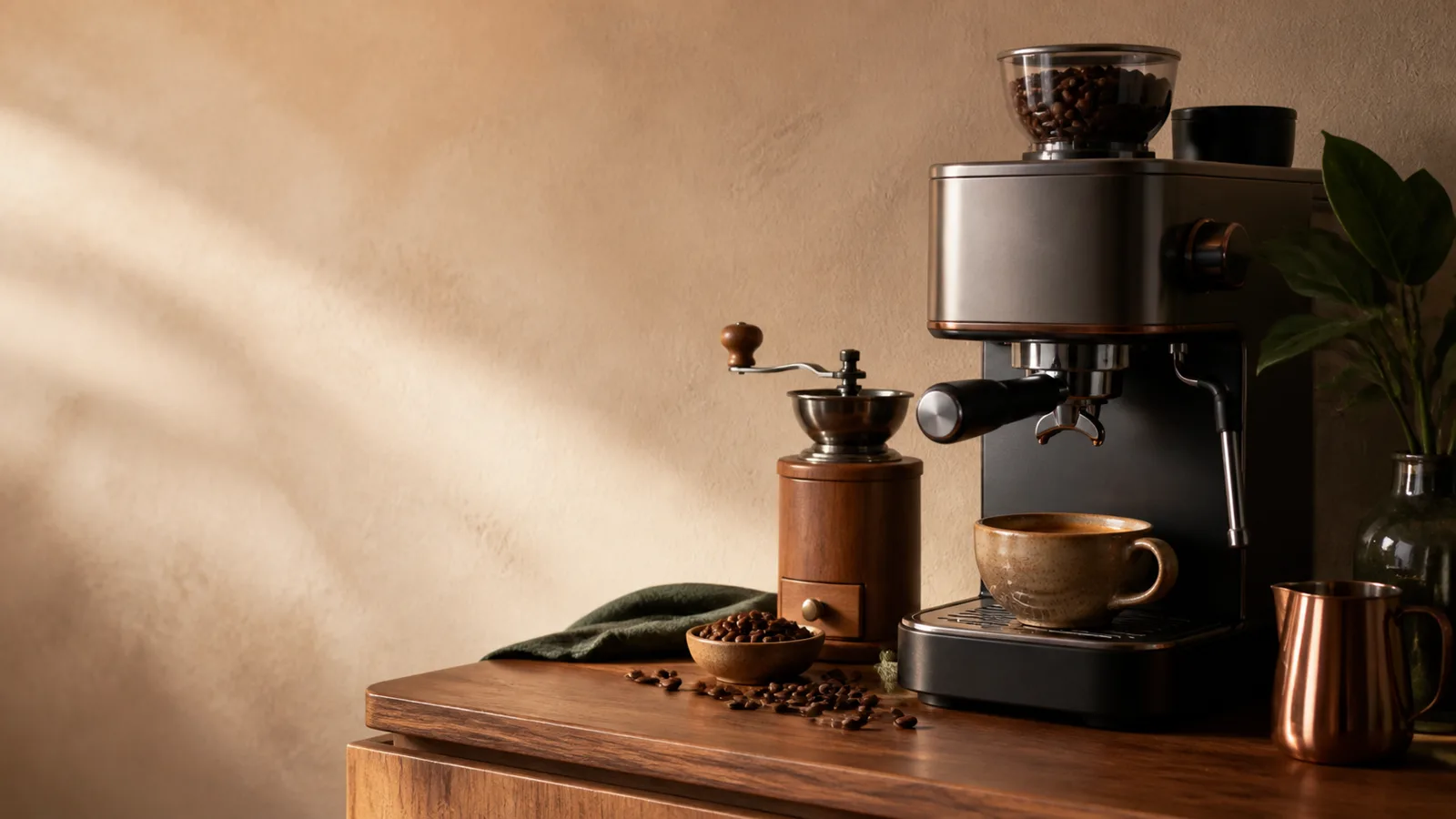
Latte Machines We Recommend for Pod-Free Coffee in 2026
Pod-free latte machines give beginners a choice between manual espresso routines and push-button convenience. Compare milk systems, controls, cleanup, and...

We independently review everything we recommend. When you buy through our links, we may earn a commission. As an Amazon Associate we earn from qualifying purchases.
Clear research notes, practical comparisons, and coffee gear worth making room for.
Pod-free latte machines give beginners a choice between manual espresso routines and push-button convenience. Compare milk systems, controls, cleanup, and...
Coffee degassing is the release of gases formed during roasting, especially carbon dioxide. Learn how resting beans affects storage, grinding,...
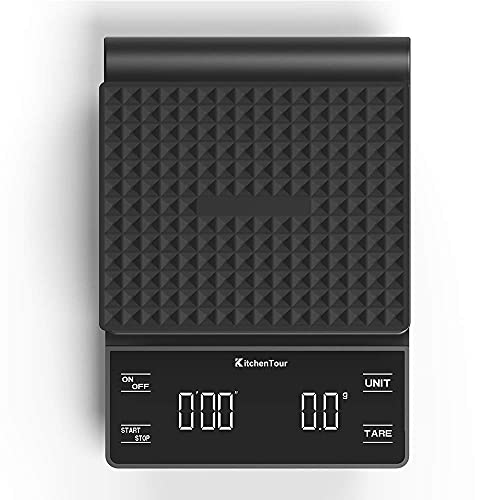
A rechargeable coffee scale cuts disposable-battery replacements and keeps weighing, timing, and brewing in one place. Compare compact espresso models...
Coffee origin and roast both shape flavor, but they influence the cup in different ways. Learn how to read labels,...
A sharp spout can help direct steamed milk for latte art, but pitcher size and pouring feel matter too. Compare...
Machine comparisons focused on workflow, temperature control, milk performance, and long-term value.
Pod-free latte machines give beginners a choice between manual espresso routines and push-button convenience. Compare milk systems, controls, cleanup, and...
Making two lattes together depends on more than pump pressure. Compare milk systems, heating designs, and workflows to find a...
A dishwasher-safe milk container can simplify cleanup, but capacity, materials, and serving style matter too. Compare three frothers by their...
Foam settings can mean preset textures, adjustable thickness, or a manual steam wand. Compare these options by control, capacity, cleanup,...
Find the right burr set, adjustment range, and workflow for espresso, filter coffee, or both.
Removable parts can make bean changes and cleanup easier, but grinder designs vary widely. Compare blade and burr options, then...
Switching between espresso and filter coffee calls for more than a wide grind range. Compare burr design, adjustment control, workflow,...
Static can leave coffee grounds clinging to a grinder, bin, and counter. Compare anti-static designs, burr types, dosing controls, and...
Small counters call for grinders that keep daily coffee simple without taking over your workspace. Compare compact manual options, single-dose...
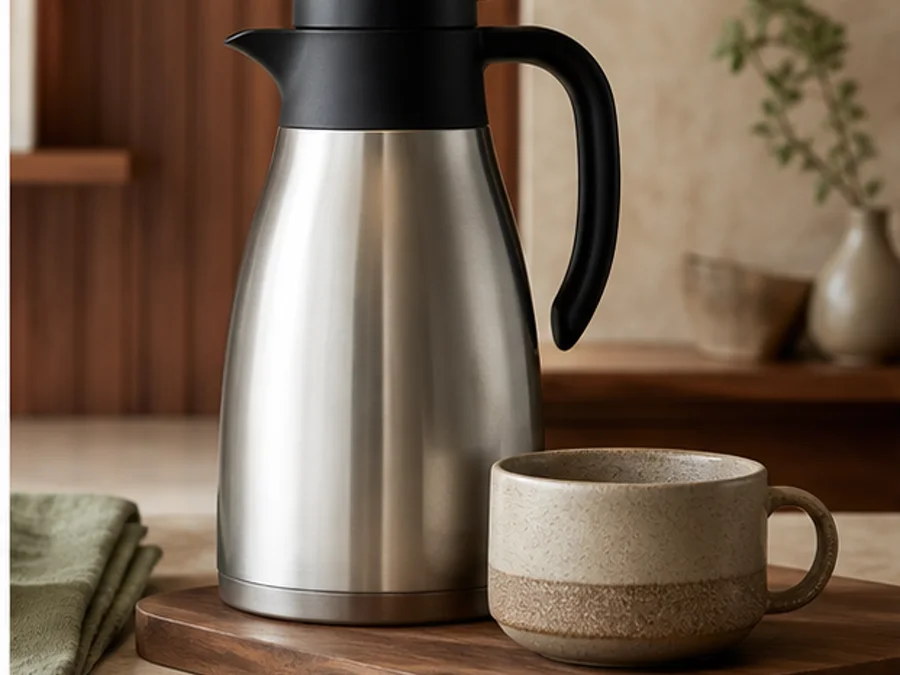
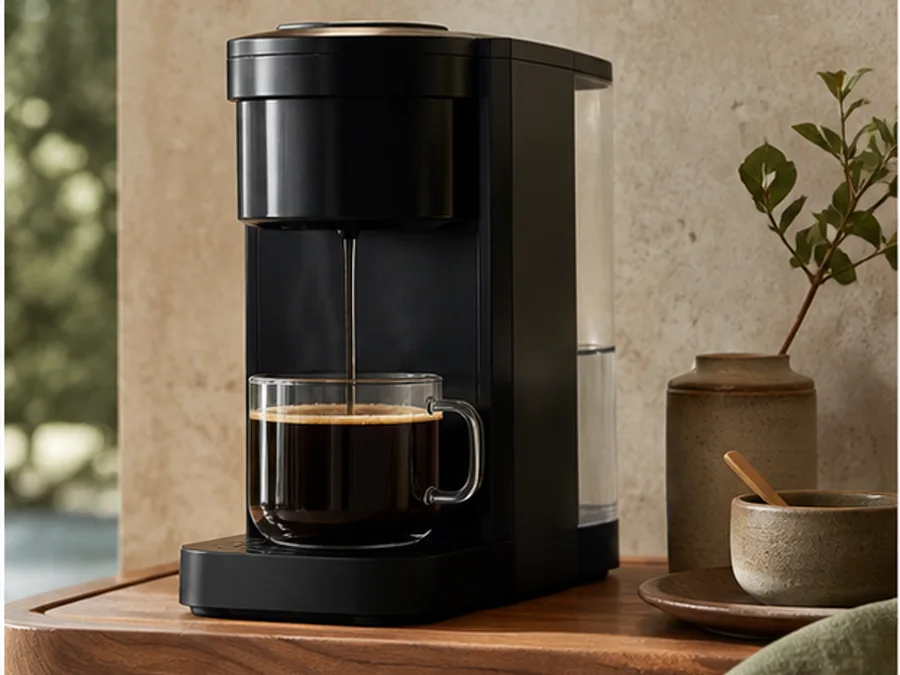
Practical picks for morning routines, office counters, small kitchens, and serious batch brewing.
Yes, espresso-ground coffee can go in a drip coffee maker, but grind size can affect flow and extraction. Learn how...
Small batch mode adjusts brewing for a smaller amount of coffee, helping avoid weak or uneven results. Learn when to...
A warming plate can keep brewed coffee hot, but heat gradually changes its flavor. Learn how to balance convenience, coffee...
Decaf coffee still needs even saturation, steady brewing, and a setup that fits your routine. These options differ in batch...
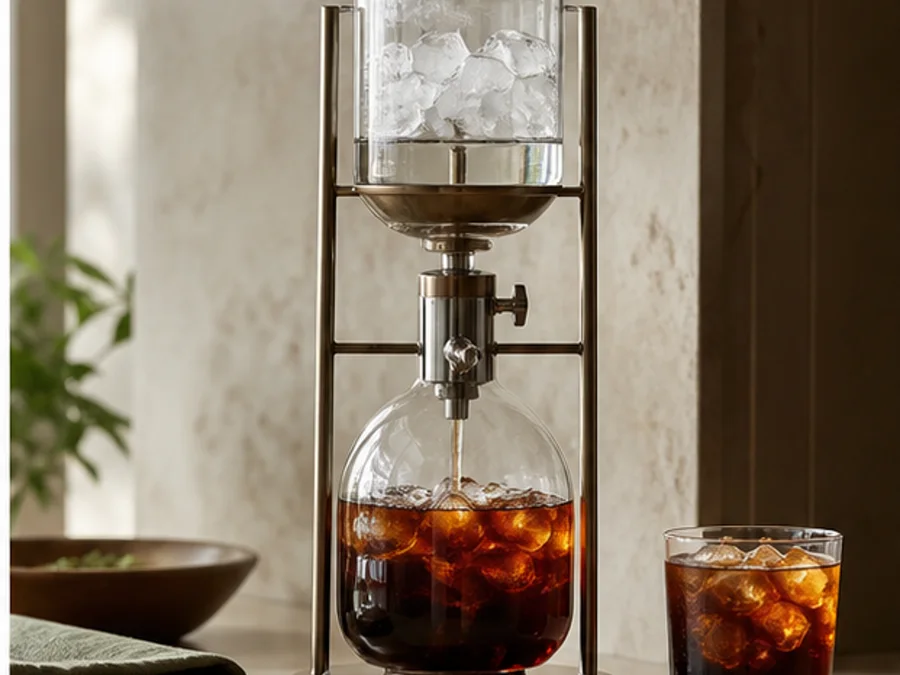
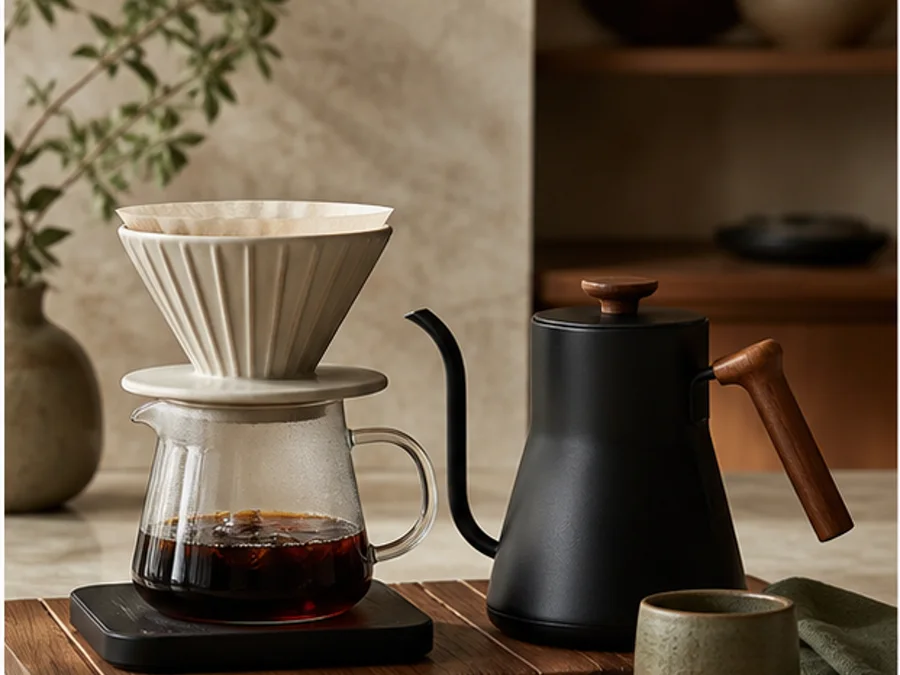
Cold brew makers, pour-over tools, kettles, and accessories selected for repeatable results.
Nitrogen and nitrous oxide are different gases, and they do not create the same drink or require the same handling....
Fridge-door fit depends on more than pitcher capacity. Compare glass, plastic, filter design, and batch size to choose a cold...
A compact brewer can suit one coffee drinker better than a gallon jar, but batch size and steeping style matter....
Concentrate calls for a brewer that can steep grounds evenly and filter them cleanly. These picks range from compact pitchers...
Start with the equipment you are comparing, then narrow by use case and budget.
Every guide is researched, checked for clarity, and updated when products, prices, or availability change.

Emma Carter writes buying guides and maintenance references for home coffee equipment at Coffee Maker Station. She covers drip brewers, espresso machines, grinders, kettles, and the consumables and accessories around them, with a focus on the specification details that decide whether a machine suits a real kitchen: reservoir capacity, counter footprint, grinder adjustment range, maintenance intervals, and consumable lock-in. Her guides are built from manufacturer documentation and aggregated buyer feedback — not hands-on testing — and she states that limit explicitly so readers know how much weight to give each recommendation.
Read Emma's articles →We compare specifications, ownership tradeoffs, and intended use before making a recommendation.
Claims, titles, prices, and affiliate disclosures are checked before publication and during updates.