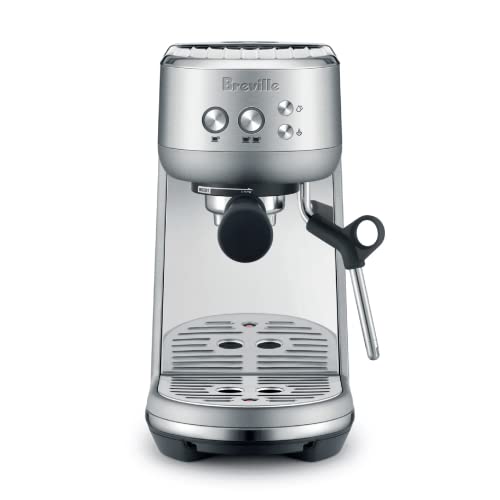

If you want a small, intense coffee but do not own an espresso machine, a moka pot or AeroPress can help. Neither produces true espresso, because that requires the high pressure and controlled brewing conditions of an espresso machine.
This guide explains how to make espresso shot without a machine, with practical steps for getting a concentrated brew from common alternatives. The 0 equipment comparison reflects the category in November 2026, but the brewing method matters more than buying a particular device.
First, choose a method based on what you own and how concentrated you want the coffee. A moka pot is designed to brew strong coffee on a stovetop, while an AeroPress can produce a short, concentrated cup with a suitable recipe.
Choose a method and set expectations
Espresso is brewed by forcing hot water through finely ground coffee under pressure. A moka pot uses steam pressure, and an AeroPress uses manual pressure, but neither replicates an espresso machine’s pressure profile or creates the same crema reliably.
For a moka pot, use its basket and follow the manufacturer’s fill guidance. For an AeroPress, use a concentrated recipe and a fine-to-medium grind, adjusting based on your brewer’s instructions and how quickly water passes through the coffee.
Grind fresh coffee appropriately
Use freshly ground coffee when possible, since grinding just before brewing helps preserve aroma. Moka pots generally need a grind finer than drip coffee but not as fine as espresso, while AeroPress recipes can tolerate a range of grinds.
Very fine grounds can clog a filter or make a moka pot brew harsh and difficult to manage. If the coffee tastes bitter or the flow is unusually slow, try a slightly coarser grind; if it tastes thin, grind a little finer or adjust the coffee-to-water ratio.
Measure coffee and water consistently
A digital scale makes it easier to repeat a recipe, but you can begin with the brewer’s basket or scoop. For moka pots, fill the lower chamber to the indicated level and do not tamp the grounds, since compacting them can obstruct water flow.
For an AeroPress, use less water than you would for a full mug if you want a short, concentrated drink. Record your coffee amount, water amount, and brew time so you can change one variable at a time instead of guessing.
Control water temperature and heating
Water that is too cool can leave coffee tasting weak or sour, while excessive heat and prolonged brewing may produce bitterness. With an AeroPress, use hot water appropriate to the recipe and avoid pouring boiling water carelessly.
For stovetop brewing, assemble the moka pot correctly and heat it on a burner sized for its base. Keep the handle away from the flame, and follow the manufacturer’s manual, especially if it recommends a particular heat setting or starting-water approach.
Watch the brew and stop at the right point
With a moka pot, keep the heat moderate and listen for the change in brewing sound. Remove the pot from heat when the coffee flow turns pale or sputtering begins, rather than leaving it to boil dry; use caution because the pot and escaping steam can burn.
For an AeroPress, steep according to your recipe, then press slowly and steadily. Stop pressing when you hear air escaping or feel strong resistance, and do not force the plunger if it is stuck.
Adjust the cup instead of chasing crema
Taste the coffee before changing several parts of the recipe. Sourness can point to under-extraction, meaning water has not removed enough soluble material; bitterness can suggest over-extraction, excessive heat, or a grind that is too fine.
These methods make concentrated coffee, not a one-to-one substitute for espresso in every drink. Add hot water for an Americano-style cup or warm milk for a milk coffee, but expect a different body and flavor balance from espresso-based drinks.
Why You Should Trust Us
Our guidance focuses on the brewing principles that determine concentration and extraction: grind size, water, heat, contact time, and the limits of each brewing method. We distinguish espresso itself from moka pot and AeroPress coffee rather than treating the terms as interchangeable.
Because no product specifications are needed to explain this technique, the advice stays focused on safe preparation and repeatable adjustments. Check the manual for your brewer’s assembly, fill limits, heat guidance, and cleaning instructions, since designs can differ.
Final Thoughts
A moka pot is a practical choice if you want concentrated stovetop coffee and already have a suitable burner. An AeroPress suits people who prefer a manual brewer and want flexibility with brew strength, though it requires pressing and recipe adjustments.
Neither method makes true espresso, and neither is automatically the right choice for every kitchen. Choose based on your existing equipment, desired serving size, tolerance for hands-on brewing, and willingness to clean the brewer after each use.
For genuine espresso, an espresso machine is necessary; for a strong small coffee, these alternatives can be satisfying when brewed carefully. Start with the brewer’s instructions, change one variable at a time, and prioritize safe handling over a particular crema or appearance.
FAQs
Can you make real espresso without an espresso machine?
No. Espresso depends on pressurized extraction from an espresso machine, so a moka pot or AeroPress produces a different style of concentrated coffee rather than true espresso.
What is the closest alternative to an espresso shot at home?
A moka pot or a concentrated AeroPress brew can provide a small, strong serving. The closest fit depends on your equipment and preferred texture, but neither duplicates espresso exactly.
Can I use regular ground coffee in a moka pot?
Yes, but grind size affects flow and flavor. If preground coffee is intended for drip brewing, it may be coarser than ideal; avoid tamping it, and adjust your grind if you can.
Should I tamp coffee in a moka pot?
No. Fill the basket as directed without pressing the grounds down, because tamping can restrict water flow. Follow the specific brewer’s manual if its design includes different instructions.
Why does my moka pot coffee taste bitter?
Excessive heat, a very fine grind, or leaving the pot brewing after the coffee flow turns pale can contribute to bitterness. Try gentler heat, a slightly coarser grind, and removing the pot promptly.
Can an AeroPress make espresso for lattes?
It can make concentrated coffee that you may combine with milk, but the result will differ from espresso in body and extraction. Use a short, strong recipe and adjust the milk-to-coffee balance to taste.
How fine should coffee be for espresso-style brewing?
For a moka pot, aim finer than a typical drip grind but not powder-fine espresso grounds. AeroPress recipes vary, so adjust grind size according to flow, brew time, and flavor.
How do I clean a moka pot safely?
Let it cool before disassembly, then follow the manufacturer’s cleaning instructions. Check that its parts are clear of coffee residue and that seals and components are assembled correctly before brewing again.