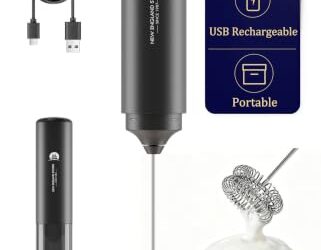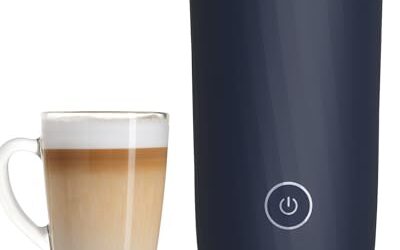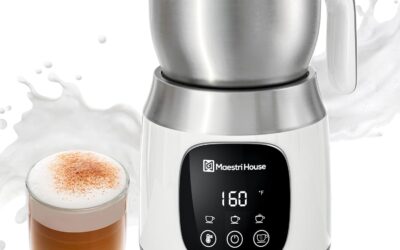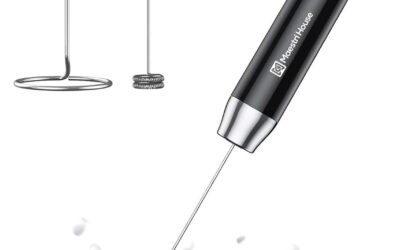

To froth milk without a frother, warm it gently, add air with a whisk or sealed jar, then check foam before pouring. These simple tools can make light foam for coffee, though results vary with milk type, temperature, and technique.
Choose a whisk for direct control, a jar for minimal equipment, or a French press for faster aeration. If you later want an appliance for frequent drinks, browse our milk frother guides alongside these manual methods.
Pick a method that suits your tools
A small whisk gives you direct control and requires no special container. A jar needs only a tight-fitting lid, while a French press uses its plunger to push air into milk.
Choose based on what you already own and how much effort you accept. A jar is convenient for one serving, but vigorous shaking takes work and leaves you with a container to wash.
Choose milk with realistic expectations
Milk proteins help stabilize bubbles, while fat contributes richness and a softer mouthfeel. Dairy milk can foam well, but its result depends on fat content, freshness, and handling.
Plant-based drinks vary considerably by formulation. Barista-style versions are designed for coffee use, but they are not guaranteed to match dairy milk or one another; check the carton and adjust your technique.
Warm milk gently and avoid overheating
Warm milk before frothing if you want a hot drink, using a saucepan over low heat or short microwave intervals in a suitable container. Stir between intervals so heat spreads more evenly.
Do not let milk boil. Excess heat can affect flavor and texture, and hot milk can scald; handle the container carefully and leave room for expansion during frothing.
Control foam texture and serving amount
Use enough milk for your drink, but leave headspace because aeration increases volume. Small batches are easier to whisk or shake than a nearly full vessel.
Shorter aeration usually creates less foam, while continued whisking or pumping adds more air. Stop when bubbles look fine and the milk has expanded; large, dry bubbles are harder to pour smoothly.
Use a French press for controlled pumping
Pour warm milk into a clean French press, keeping the level well below the top. Move the plunger up and down steadily until foam forms, checking often to avoid overflowing.
This method can make a more cohesive foam than casual shaking, but it takes a press and adds cleanup. For advice on related coffee equipment, see our guide to barista accessories.
Pour promptly and clean tools soon
Foam separates as it sits, so swirl the milk gently and pour soon after frothing. Spoon denser foam onto the drink if it remains in the container rather than flowing with the milk.
Rinse a whisk, press, or jar soon after use, before milk residue dries. Wash any part that contacted milk with warm water and dish soap, following care instructions for the tool.
Why You Should Trust Us
This guide focuses on practical technique and the differences among common manual methods. No product testing, measurements, or milk comparisons were supplied, so we do not present hands-on results or declare one method universally superior.
Recommendations reflect how each tool works, what equipment it requires, and the tradeoffs in effort and cleanup. Milk composition and individual technique affect foam, so treat the steps as a starting point and adjust gradually.
Final Thoughts
For occasional coffee, start with a whisk or tightly sealed jar you already have. A whisk offers direct control; a jar keeps the process simple, though shaking takes effort and may create uneven bubbles.
A French press is a practical choice if you own one and want to aerate milk without adding another appliance. None of these methods guarantees café-style microfoam, and the available product data does not support naming product picks.
If you make milk drinks often, compare appliance types in our milk frother category. For an occasion-focused overview, our milk frother gift guide covers a separate buying use case.
FAQs
Can I froth milk in a jar?
Yes. Add warm milk to a clean jar, leave space at the top, secure the lid, and shake until foam forms. Check that the lid seals well and handle warm containers carefully.
How do I froth milk with a whisk?
Warm milk gently in a saucepan, then whisk briskly until it expands and develops bubbles. A small whisk works best in a container wide enough for comfortable movement.
Can a French press froth milk?
Yes. Add warm milk below the press’s fill limit and pump the plunger steadily. Stop when foam forms, since continued pumping can increase volume and risk overflow.
Should I froth milk hot or cold?
Either can work with manual methods, but warm milk suits hot coffee drinks. Heat gently, avoid boiling, and take care when shaking or handling a warm container.
Which milk makes the most foam?
Results depend on protein, fat, freshness, and the specific product. Try a small amount first; for plant-based drinks, a barista-style version may be formulated for coffee, but results still vary.
Why does my homemade milk foam disappear?
Large bubbles, a long wait before pouring, or milk composition can contribute to separation. Froth in short intervals, stop when bubbles look finer, and pour soon after swirling.
Can I froth milk without heating it?
Yes. A jar, whisk, or French press can add air to cold milk, though texture and volume may differ from warmed milk. Use clean equipment and pour promptly.
How do I froth milk without a frother for one cup?
Use a small whisk or jar and start with a modest amount of milk, leaving room for expansion. For more equipment options, browse our coffee accessories category.