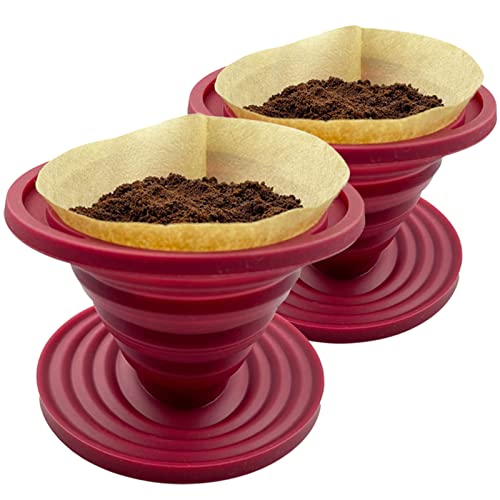
Pour over agitation explained in practical terms: it is movement of coffee grounds and water during brewing, caused by pouring, stirring, or other contact. Controlled movement can help wet grounds evenly, but too much can disturb the coffee bed and make flow less predictable.
This guide covers a repeatable approach for beginners and experienced brewers, including what to adjust when a cup tastes weak or harsh. We have no supplied product data, so 0 products are not available for comparison; see our pour over coffee maker category for equipment context.
Start with a stable recipe, then change one agitation variable at a time. Coffee and equipment differ, so treat the steps below as a controlled starting point, not a promise of a particular flavor or extraction result in 2026.
1. Understand What Agitation Changes
Agitation describes movement within the coffee bed. A kettle pour creates movement through impact and water flow; a spoon or brewer swirl adds further motion after water reaches the grounds.
Movement can help dislodge dry pockets and bring water into contact with more coffee. It can also shift fine particles toward the filter, where they may slow drainage, so more agitation is not automatically better.
2. Prepare a Repeatable Starting Recipe
Use the same coffee dose, water amount, grind setting, filter, and pouring pattern while learning. A scale helps you track coffee and water by mass; a timer helps compare total brew time across attempts.
Rinse paper filters if their instructions call for it, then discard rinse water before brewing. Add grounds and make a shallow, even bed without packing them down, since a level surface makes water distribution easier to observe.
3. Bloom Without Overworking the Bed
The bloom is the initial wetting stage, when a small pour saturates grounds before the main brew. Pour enough to wet the bed, using a gentle, controlled stream rather than striking one spot forcefully.
Some recipes include a brief wait or a gentle swirl; neither is universal. If dry clumps remain, slightly adjust pour coverage or use a modest swirl, then keep that choice consistent for the next brew.
4. Control Pour Height, Speed, and Pattern
A higher or faster stream generally delivers more impact to the bed than a low, steady pour. Begin close to the coffee surface with a controlled stream, and pour in a pattern that wets grounds without washing them up the filter wall.
Use circles or pulses only as repeatable techniques, not magic formulas. A gooseneck kettle can make stream placement easier to control, but kettle shape alone cannot correct an inconsistent grind or an unsuitable recipe.
For brewer shape and equipment considerations, compare options in our brewing methods category. Choose gear for control and workflow, while recognizing that technique and coffee choice still affect the cup.
5. Use Swirls and Stirring Sparingly
A gentle swirl can level the bed or help wet visible dry spots. Stirring produces more direct disturbance, so it may be useful when a particular recipe calls for it, but adding it unpredictably makes comparisons harder.
Avoid repeatedly swirling between every pour unless your chosen method specifies that pattern. If drainage slows after adding agitation, return to a gentler pour and assess grind size, filter condition, and dose before changing several variables together.
6. Diagnose the Cup Before Changing Technique
A sour or thin cup can be consistent with insufficient extraction, while harsh or drying flavors can be consistent with excessive extraction. These are clues, not definitive diagnoses: coffee variety, roast, water, grind, and recipe also matter.
Keep a brief record of dose, water, grind setting, pour pattern, and brew time. Change one factor per attempt; if the result improves, retain that adjustment before experimenting with agitation again.
Why You Should Trust Us
We explain the brewing mechanics and practical tradeoffs without claiming physical tests or taste results. No products, specifications, or manufacturer documents were supplied for this guide, so it makes no product performance claims.
Our recommendations focus on repeatable variables: wetting, stream control, bed disturbance, and observation. Brewing outcomes vary with coffee, grind, water, filter, and brewer, so readers should use these steps as a method for learning rather than a guaranteed recipe.
Final Thoughts
There is no defensible best overall, best value, or use-specific product pick here because the supplied product list is empty. For a first setup, prioritize a brewer and kettle that let you pour steadily and clean the filter area easily; consider a scale if you want repeatable measurements.
Beginners can start with one gentle bloom, steady pours, and no extra stirring, then adjust only when observations suggest a change. Experienced brewers may compare controlled pulses or a small swirl, but should preserve the rest of the recipe while testing.
For equipment selection, browse our pour over brewer overview or consult the pour over coffee maker gift guide for category ideas. Neither replaces checking current product details and compatibility before purchase.
FAQs
What does agitation mean in pour over coffee?
Agitation is movement of water and grounds during brewing. Pour impact, stirring, and swirling can all disturb the coffee bed and affect how water contacts the grounds.
Does more agitation make pour over coffee stronger?
Not reliably. Agitation can change wetting and extraction, but strength also depends on coffee-to-water ratio, grind, brew time, and other variables.
Should I stir pour over coffee during the bloom?
Only if your recipe calls for it or you are addressing visibly dry grounds. A modest, consistent swirl is an alternative; avoid changing both methods between comparable brews.
Can swirling a pour over clog the filter?
A swirl can move fine particles within the bed, and drainage may slow under some combinations of coffee, grind, and filter. If flow slows, reduce agitation and review grind and filter variables.
How do I reduce agitation when pouring?
Use a steady stream close to the bed, avoid forceful pouring, and limit extra stirring or swirling. Keep your pour pattern consistent so you can tell whether the change matters.
Is a gooseneck kettle necessary for controlled agitation?
No. Its spout can help with stream placement, but it is not required to brew pour over coffee. Choose one if that added control suits your routine and budget.
Why does my pour over drain slowly after stirring?
Stirring may shift fine particles toward the filter, but grind size, coffee dose, filter, and pouring also influence drainage. Remove stirring as a variable first, then assess the others separately.
Where can I compare pour over brewer styles?
Our pour over coffee maker category covers the relevant equipment category. Check each brewer’s documented size, filter requirements, and care instructions before deciding.