If your cold brew tastes sharply sour, the cause is often under-extraction, though coffee freshness, water, and storage can also affect flavor. Change one brewing variable at a time so you can identify what is making your batch taste unbalanced.
This guide covers practical checks for grind size, steep time, coffee-to-water ratio, and handling after brewing. For equipment options and format differences, see our Cold Brew and Specialty guide collection.
Cold brew extracts coffee compounds in cool or room-temperature water over an extended period. Compared with hot brewing, lower water temperature slows extraction, so grind, contact time, and mixing matter to the finished drink.
Some coffees have naturally bright, fruity acidity, which is not the same as an unpleasant sour or thin taste. If the cup tastes sharply tart, hollow, or unfinished, under-extraction is a useful first possibility to investigate, not a certainty.
Check grind size and consistency
A grind that is too coarse can slow extraction and leave a weak, tart impression, especially when steep time is short. A very uneven grind can also extract inconsistently because large particles and fine particles behave differently in the same batch.
Use a burr grinder if available, and aim for a coarse, reasonably even grind as a starting point. If the brew tastes sour and watery, try grinding a little finer next time while keeping the coffee, water, and steep time unchanged.
Give the grounds enough contact time
Too little steeping can leave coffee under-extracted. Follow your brewer’s instructions when provided, since immersion vessels, filtration designs, and recipes differ; there is no single time that guarantees the same result for every coffee.
If your current batch tastes sour, extend the next steep modestly rather than doubling the time at once. Record when brewing began and ended, and note whether the grounds stayed fully wet throughout the process.
Review your coffee-to-water ratio
A ratio describes how much ground coffee you use relative to water, usually by weight. A weak concentrate can seem thin and sharply acidic, while changing the ratio also changes strength, so distinguish sourness from simply having too much dilution.
Weigh coffee and water with a kitchen scale if you have one, then keep the ratio consistent between batches. If you add water or milk after brewing, taste the concentrate first; dilution may expose a weakness that was less obvious undiluted.
Keep grounds submerged and mix the brew
Dry pockets or floating grounds can create uneven contact with water. Stir gently after combining coffee and water, and check that the grounds are wet; avoid packing them tightly, which can make draining and filtration harder.
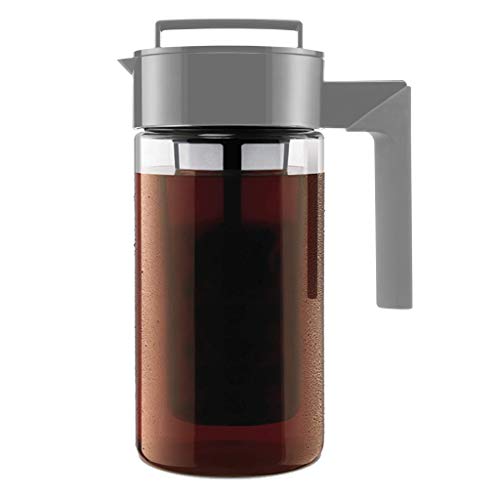
Use a vessel that leaves enough room to stir without spilling. A brewer with a filter basket may simplify cleanup, but its shape and capacity do not replace a consistent ratio or complete wetting.
Consider coffee freshness, roast, and water
Beans vary by origin, processing, roast, and age, so naturally bright flavors may remain noticeable in cold brew. If a coffee has tasted sour across several properly controlled batches, try a different coffee before assuming your equipment is at fault.
Water also contributes to the cup, and strong odors or unusual mineral character can interfere with flavor. Use fresh, drinkable water and clean equipment; avoid switching water, beans, grind, and steep time together, because that makes the result difficult to interpret.
Separate sourness from spoilage or stale flavor
Sour taste alone does not prove coffee has spoiled. Still, discard a batch if it has visible mold, an unusual appearance, or an unmistakably unpleasant odor, and clean the brewer before making another batch.
Refrigerate finished cold brew in a clean, covered container and follow the recipe or brewer guidance for storage. Flavor can fade or change over time, so make manageable batches and avoid leaving brewed coffee sitting warm for extended periods.
A simple troubleshooting sequence
Start with a clean brewer, fresh water, and a measured amount of coffee. Confirm the grounds are evenly wet, then use your usual steep time and keep notes on the coffee and grind.
Taste the finished coffee before adding water, ice, milk, or sweetener. If it is both sour and weak, adjust grind slightly finer or extend contact time for the next batch; if it tastes balanced but too intense, dilute gradually.
Change just one variable per batch. This small record-keeping habit helps distinguish extraction problems from a coffee’s natural acidity, water differences, or dilution.
Why You Should Trust Us
This guide uses established brewing principles to explain how grind, contact time, ratio, and water can influence extraction. No hands-on product testing or product-specific performance claims are presented here.
Brewers and coffees differ, so recommendations are starting points rather than guaranteed outcomes. We focus on controlled adjustments that help readers diagnose a batch without confusing personal taste with a universal standard.
Final Thoughts
Sour cold brew is commonly worth troubleshooting through extraction before replacing equipment. Begin with grind consistency, complete wetting, steep time, and a measured ratio, while remembering that some coffees naturally taste brighter than others.
No products were supplied for this guide, so we cannot name a defensible best overall, best value, or specific-use pick. Choose a brewer based on batch size, filtration, storage, and cleanup needs, and use our cold brew maker evaluation guide to compare practical equipment considerations.
If you enjoy experimenting with immersion brewing, our French press comparison guide offers a related brewing-method reference. Regardless of brewer, consistent measurements and one adjustment at a time provide a clearer path to a better-balanced cup.
FAQs
Why does my cold brew taste sour and weak?
Sourness with a thin body can indicate under-extraction, but dilution may also make a concentrate seem weak. Taste before adding water or ice, then adjust grind or steep time in the next batch.
Can coarse coffee grounds make cold brew sour?
They can contribute if the grind is so coarse that extraction remains low for your recipe and steep time. Try a slightly finer grind while holding other variables steady.
Should I steep cold brew longer if it tastes sour?
Possibly. A longer steep can increase extraction, but results depend on coffee, grind, water, and brewer; extend the next batch modestly and compare rather than assuming longer is always better.
Does dark roast prevent sour cold brew?
No roast level guarantees a particular result. Roast changes flavor character, while sourness may also come from extraction, the coffee itself, or water, so adjust the brewing process before treating roast as the only cause.
Is sour cold brew unsafe to drink?
Sour flavor by itself does not establish that coffee is unsafe. Discard coffee with visible mold, unusual appearance, or a strongly off odor, and clean the brewing equipment thoroughly.
Can tap water make cold brew taste sour?
Water with noticeable odors or unusual mineral character can affect flavor, though it may not be the only cause. Try fresh, good-tasting water while keeping your other brewing variables consistent.
Why does cold brew taste sour after adding ice?
Ice melts and dilutes coffee, which can expose a thin or unbalanced concentrate. Taste the coffee before adding ice, then adjust concentrate strength or dilution gradually.
How can I prevent sour cold brew next time?
Measure coffee and water, wet all grounds evenly, use a consistent grind, and record steep time. Change one factor per batch so you can tell which adjustment improves the flavor.
Why does my cold brew taste sour even after changing the grind?
Check contact time, ratio, water, coffee freshness, and whether grounds remained submerged. If your method is consistent but one coffee stays sharply bright, try another coffee to see whether its flavor profile suits your preference.