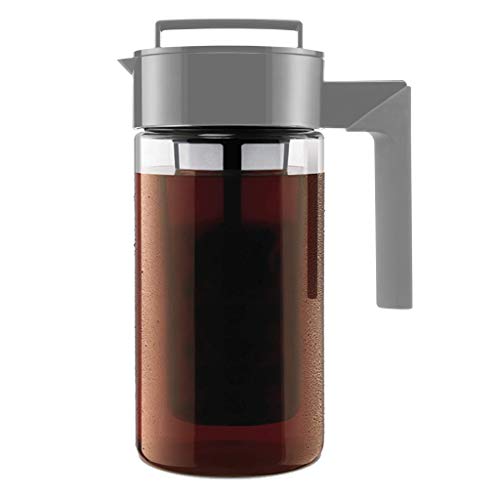
Making cold brew in a mason jar takes ground coffee, cool water, and time. The method is straightforward, but grind size, coffee-to-water ratio, steeping, and filtering all affect strength and clarity.
This guide explains how to prepare, steep, strain, and store a batch, including ways to adjust it when the first cup tastes too strong or weak. For equipment alternatives, see our Cold Brew and Specialty brewing guides.
Choose a jar and plan your batch
Use a clean, food-safe mason jar with enough room for coffee, water, and stirring. A wide-mouth jar makes filling and removing grounds easier, while a lid helps protect the mixture from spills and refrigerator odors.
Check the jar’s capacity before measuring ingredients. Leave headspace so you can stir without sloshing, and remember that grounds occupy volume before they become saturated.
Pick a starting coffee-to-water ratio
For ready-to-drink cold brew, start with about one part coffee to eight parts water by weight. For a stronger concentrate, use about one part coffee to four parts water, then dilute the finished brew to taste.
A kitchen scale makes these ratios repeatable: for example, 50 grams of coffee with 400 grams of water gives an 1:8 ratio. Measuring by volume is less consistent because bean density and grind size vary.
Use coarse grounds for easier filtering
Choose a coarse grind, similar to chunky sea salt. Coarse particles are easier to separate from the liquid and tend to leave fewer fine particles in the finished drink.
Very fine grounds can make filtering slower and leave sediment behind. If buying pre-ground coffee, choose a coarse setting when available; otherwise, allow extra time for careful straining.
Combine grounds and water evenly
Add coffee to the jar, pour in cool or room-temperature drinking water, and stir gently until grounds are wet. Dry pockets can steep unevenly, so check the surface and sides before covering the jar.
Use filtered water if you prefer its flavor in brewed coffee, but avoid assuming filtration will correct poor beans or an unsuitable ratio. Place the lid on securely without overtightening it.
Steep with time and temperature in mind
Steep the covered jar in the refrigerator for roughly 12 to 18 hours as a practical starting range. Longer steeping can produce a stronger extraction, but time alone does not guarantee better flavor.
Room-temperature steeping is also used, but refrigerator steeping keeps the batch cold throughout preparation. Keep the jar away from strong-smelling foods and note your steep time so later batches are easier to compare.
Strain thoroughly, then adjust the cup
Pour the brew through a fine-mesh strainer into a clean container, or use a paper filter after an initial coarse straining. Paper can catch finer particles, though filtering may take longer if the liquid contains lots of sediment.
Taste the strained coffee before serving. Dilute a concentrate with cold water or milk, and adjust gradually; adding water cannot remove bitterness, but it can lower overall intensity.
Store safely and keep the jar clean
Transfer strained coffee to a clean, covered container and refrigerate it. Make a manageable batch and use it promptly; flavor changes during storage, and a mason jar does not make coffee shelf-stable.
Wash the jar, lid, and strainer with dish soap and warm water after use, then rinse thoroughly. Coffee oils and fine residue can cling to equipment and affect the next batch.
Why You Should Trust Us
This guide focuses on repeatable brewing steps and explains how each choice can affect extraction, filtering, and daily preparation. We distinguish practical starting points from fixed rules because beans, grinders, water, and personal preferences differ.
No product information was supplied for this guide, so we do not rank or recommend specific jars, filters, or coffee brands. The comparison shortcode above has no listed products; the method itself does not require a specialized cold brew machine.
Final Thoughts
A mason jar works well for a low-equipment cold brew routine if its capacity suits your batch and you can strain the grounds effectively. Start with a measured ratio, coarse grounds, and a refrigerator steep, then change one variable at a time.
Choose a dedicated cold brew maker if its built-in filter would simplify repeated batches or reduce cleanup for you. Our cold brew maker evaluation guide explains what to compare, while the Brewing Methods category covers other home brewing approaches.
FAQs
How much coffee should I use in a mason jar?
Start with a 1:8 coffee-to-water ratio by weight for ready-to-drink cold brew, or 1:4 for concentrate. Adjust after tasting, and record measurements that suit your beans and serving style.
How long should cold brew steep in the refrigerator?
About 12 to 18 hours is a useful starting range. Shorten or extend the next batch based on strength and flavor rather than assuming one steep time suits every grind and coffee.
Can I steep cold brew at room temperature?
Yes, some recipes use room-temperature water, but refrigerator steeping keeps the coffee cold throughout the process. Whichever method you use, strain it promptly and refrigerate the finished brew.
Do I need coarse-ground coffee for mason jar cold brew?
Coarse grounds are helpful because they are easier to filter and typically leave less sediment. Fine grounds can still be brewed, but straining may take longer and the drink may be cloudier.
How do I filter cold brew without special equipment?
Pour the mixture through a fine-mesh strainer into a clean container. For fewer fine particles, filter the strained liquid again through a paper coffee filter, allowing extra draining time.
Should I dilute cold brew concentrate?
Usually, yes. Add cold water or milk gradually until the strength suits your preference; concentrate ratios describe the brewing mixture, not a required serving strength.
How long does homemade cold brew last?
Keep strained coffee covered in the refrigerator and use it promptly. There is no single storage duration that guarantees quality for every batch, so discard coffee if its smell or appearance seems abnormal.
Can I reuse coffee grounds for another cold brew batch?
Reusing grounds generally produces a weaker extraction because much of the readily soluble material has already been brewed. Fresh grounds give you better control over strength and consistency.