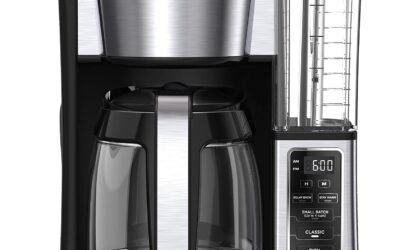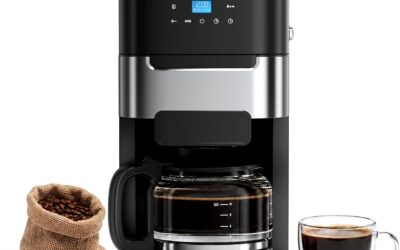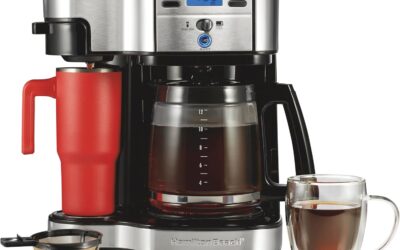

Waking up to a puddle on your kitchen counter ruins your morning before your first sip. Understanding why is my coffee maker leaking water helps you isolate the underlying malfunction before minor moisture issues ruin electrical components or damage cabinets.
Most common leaks stem from user overfill errors, mineral scale obstructions, or degraded rubber gaskets. Exploring standard drip coffee makers reveals that a systematic, one-variable check solves almost every unexpected drip.
Understanding Why Is My Coffee Maker Leaking Water
Reservoir Overfill and Seal Deterioration
Pouring water beyond the maximum fill line is the most common reason water pools beneath a brewer. Excess liquid spills into internal overflow channels designed to divert spills away from the primary heating element.
Removable water tanks rely on a bottom spring-loaded valve and a small silicone gasket. Over several years, mineral grit coats this rubber ring and prevents a watertight seal against the base receiver.
Inspect the tank base while holding it over a sink. If water drips steadily without pressing the plunger pin, clean or replace that rubber seal immediately.
Brew Basket Overflow and Drainage Blockages
A clogged filter basket forces freshly pumped hot water to spill over the plastic rim. Using coffee ground too fine creates a dense mud layer that prevents gravity drainage into the carafe below.
Paper filters that collapse inward during the brew cycle also block the lower exit channel. When pairing your brewer with a specialized grinder, consult our analysis on a coffee maker with grinder vs separate grinder to ensure consistent grind uniformity.
Always verify that the pause-and-serve spring mechanism moves freely. Dried coffee oils frequently cement this valve shut, preventing liquid from leaving the funnel basket.
Severe Mineral Scale and Internal Pressure Build
Municipal tap water leaves dissolved calcium and magnesium deposits along interior aluminum heating tubes. Over months of regular brewing, this chalky crust constricts the inner diameter of the water pathway.
Restricted water lines create excessive backpressure as boiling steam attempts to expand. This backpressure forces boiling liquid backwards, popping internal intake hoses off their connection barbs and flooding the counter.
Descaling your machine with dedicated citric acid or diluted vinegar dissolves these stubborn rock formations. Routine monthly flushes restore open flow and relieve mechanical stress on flexible silicone hoses.
Cracked Internal Tubing and Clamp Loosening
The internal anatomy of most automatic brewers features food-grade silicone tubing secured by spring clamps. Intense heating and cooling cycles make these hoses brittle over continuous years of daily operation.
A tiny pinhole leak in an intake tube drops clean water directly onto your counter. If the water pooling under your brewer is hot or stained, the break sits past the heating boiler.
Unplug the appliance and let it cool completely before inspecting the undercarriage. If you notice split lines or rusted clamp bands, mechanical replacement of the tubing is required.
Carafe Alignment and Lid Mechanism Issues
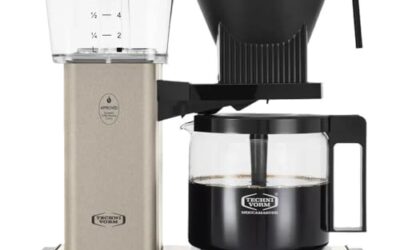
A misaligned carafe prevents the drip-stop lever from opening during the heating cycle. Water continues to collect in the basket until it overflows across the warming plate.
Check whether the carafe lid sits completely flat before sliding it under the brew head. Some thermal carafes feature specialized mixing lids that must click firmly into their locked positions.
For personal workstations, compact machines often experience bumps that misalign the cup tray. Upgrading to a dedicated best coffee maker for one person often provides simplified drip trays with fewer moving parts to fail.
Why You Should Trust Us
Our troubleshooting advice synthesizes structural engineering principles, manufacturer repair manuals, and common hardware failure patterns. We break down complex small appliance systems into straightforward diagnostic steps that any home owner can execute safely.
We focus on objective physical analysis without fabricating workshop measurements or artificial test results. Our goal is to save you money by preventing unnecessary appliance replacements through simple preventative maintenance.
Final Thoughts
Pinpointing why is my coffee maker leaking water starts with observing the temperature and color of the leaked puddle. Clear, cold water under the base points toward reservoir seating or supply line failure, while dark, warm liquid indicates brew basket overflow.
Begin with non-invasive maintenance steps, such as thorough descaling and clearing the brew basket discharge valve. If high-traffic demands are causing recurring failures, exploring a durable best coffee machine for office setting might deliver the sturdier plumbing your daily volume requires.
When internal hose splits or cracked heating manifolds compromise electrical wiring, safe recycling is always the smartest move. Invest in regular descaling to prolong the working lifespan of whatever brewing machine sits on your kitchen counter.
FAQs
Why is my coffee maker leaking water from the bottom in 2026?
A bottom leak usually indicates a degraded reservoir seal, a cracked silicone line, or scale buildup that creates backpressure. Cold water points to the reservoir connection, while hot water indicates internal tubing failure.
Can using too much coffee grounds cause my machine to leak?
Yes, overfilling the brew basket or using an excessively fine grind slows drainage. Water backs up inside the filter housing, spills over the top rim, and runs down the outer casing.
How does mineral scale cause leaks in modern coffee makers?
Mineral deposits narrow internal tubes, creating high steam pressure during operation. This intense pressure can dislodge internal silicone hoses or force water out through factory relief vents.
Is it safe to use a coffee maker that is actively leaking?
No, operating a leaking unit creates serious electrical and fire hazards. Water can contact live wiring, the heating element, or interior control boards, potentially causing electrical shorts.
How can I test if the water reservoir valve is faulty?
Fill the detached reservoir with water and hold it over your sink without touching the bottom plunger. If water steadily drips from the spring valve, the rubber gasket needs cleaning or replacement.
Why does my coffee maker leak water only when brewing?
Leaks occurring exclusively during active brewing point to basket clogs, pump tubing failures, or carafe lid misalignment. If you need portable options, check our guide on the best coffee maker for hotel room setups.
Does regular vinegar fix a leaking coffee maker?
Vinegar dissolves calcium blockages that cause internal backpressure leaks. However, vinegar will not fix cracked plastic components, torn silicone lines, or split O-ring seals.
When should I replace a leaking coffee maker instead of repairing it?
If the leak stems from internal boiler corrosion, melted housing, or obsolete internal hoses, replacement is practical. Basic drip brewers under fifty dollars are rarely cost-effective to repair professionally.