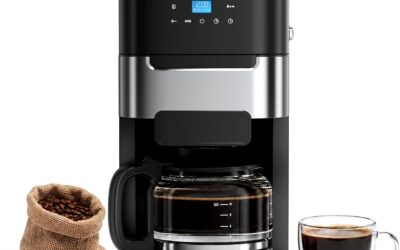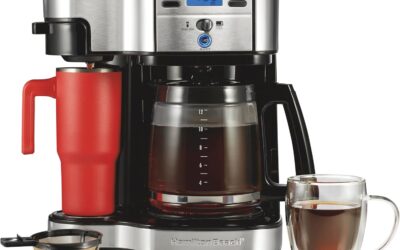

A morning routine stalls fast when your kitchen brewer refuses to start. You add fresh water, load the ground coffee, press the brew switch, and nothing happens. Understanding the exact mechanical path inside drip coffee makers helps you find the fault without guessing.
Most failures stem from basic flow restrictions or faulty safety switches rather than ruined internal electronics. In this 2026 troubleshooting walkthrough, we systematically isolate each component so you can get your morning cup back on track.
Mineral Scale Buildup and Blocked Water Lines
Tap water carries dissolved calcium and magnesium that settle against heated surfaces over months of use. Inside your coffee maker, tiny aluminum heating tubes rapidly accumulate this chalky crust. The buildup eventually narrows the internal diameter until water cannot circulate past the one-way valve.
When scale completely closes the tube, the machine produces loud gurgling noises or intense steam without delivering liquid coffee. Running a dedicated descaling solution or a diluted food-grade citric acid mixture breaks down these stubborn deposits. Severe blockages may require multiple cycles left soaking inside the machine overnight to restore full passage.
Faulty One-Way Check Valve
Drip brewers rely on a simple silicone flapper valve or glass ball bearing at the base of the water reservoir. This valve lets cold water enter the aluminum heating channel but stops boiling water from surging backward. If fine coffee grounds or mineral grit jam this valve open, water cannot generate forward pumping pressure.
A jammed check valve often results in hot water bubbling lazily in the reservoir tank instead of rising up to the showerhead. Clearing this issue requires flushing clean water through the inlet port with a gentle plastic syringe. If the rubber material has hardened with age, the brewer will permanently fail to generate the necessary thermo-siphon lift.
Thermal Fuse Failure and Electrical Safety Cuts
Every electric coffee brewer incorporates one or two thermal fuses clamped against the main aluminum heating element. These sacrificial safety parts cut all electrical current instantly if operating temperatures exceed safe limits. Running a cycle with a dry water tank is the most common trigger for a blown thermal fuse.
When a fuse blows, the machine loses all heating ability even though the primary power switch light may remain lit. Testing this requires unplugging the machine and measuring continuity across the fuse terminals with a basic multimeter. If you frequently brew multiple carafes in commercial settings, a heavy-duty model like the best coffee machine for office environments handles continuous heat cycles much more safely.
Clogged Showerhead and Spray Assembly
Water that successfully rises through the internal riser tube exits onto coffee grounds through a dispersion showerhead. These small plastic nozzles collect oily coffee residue and dried mineral sediment over time. As holes become blocked, backpressure increases along the line, causing steam to escape from the machine lid.
You can gently scrub these spray holes using an old toothbrush dipped in warm water and white vinegar. A straightened paperclip or fine sewing needle clears dried mineral plugs from individual outlets. Routine inspection of the showerhead prevents uneven coffee extraction and stops water from overflowing the brew basket.
Brew Basket Drip Stop Mechanism Malfunction
Most modern brewers include a spring-loaded pause-and-serve valve underneath the filter basket. Placing the glass carafe firmly on the warming plate pushes this rubber plunger upward, allowing coffee to flow smoothly. If the carafe sits slightly askew, or if the spring loses tension, the valve remains closed during brewing.
When this occurs, the basket fills with scalding water until it overflows onto your counter and warming plate. Inspect the spring assembly underneath the filter cone for coffee grounds or warped plastic tabs. Washing the removable basket in warm soapy water restores free movement to the rubber stopper.
Reservoir Float Switch and Water Sensor Failures
Modern electronic coffee machines utilize magnetic float switches inside the water reservoir to confirm liquid levels before heating. If this tiny magnet gets stuck at the bottom of its plastic track, the control board assumes the reservoir is completely empty. The machine will beep, blink an error code, or simply refuse to start the brew cycle.
Mineral films can glue the magnetic float to its plastic channel over weeks of use. Lightly tapping the side of the clear tank or nudging the float with a clean spoon handle frees the magnetic sensor. If you prefer simpler machines without delicate sensor electronics, exploring options like the best coffee maker for one person provides durable single-button operation.
Why You Should Trust Us
Our troubleshooting instructions rely on mechanical teardowns, factory service manuals, and electrical engineering fundamentals. We analyze how thermo-siphon heaters, check valves, and temperature switches interact in real kitchen conditions. This objective framework helps you identify the exact root cause of your appliance failure without guessing.
<nWe maintain strict editorial independence and never invent field results or unverified repair claims. Our recommendations prioritize safety, helping you know when a simple cleaning resolves the issue and when an electrical fault warrants appliance replacement.
Final Thoughts
Fixing a stalled coffee brewer usually comes down to addressing mineral buildup or an unseated reservoir component. Performing regular descaling every thirty to sixty days prevents the vast majority of flow failures before they start. If your machine fails to heat entirely, a blown thermal fuse or broken element is the likely culprit.
When an entry-level machine experiences internal heating element failure, replacement is often safer and more cost-effective than wiring repairs. For households wanting integrated bean grinding with reliable brewing performance, comparing a coffee maker with grinder vs separate grinder configuration helps streamline your daily setup. Take time to inspect your brewer methodically, clean its water pathways, and restore your morning brew with confidence.
Frequently Asked Questions
Why is my coffee maker not brewing even though the power light turns on?
When the light turns on but no water pumps, the thermal fuse or the primary heating element has likely failed. The indicator light receives power from the main board, but electricity cannot bridge the broken circuit to heat the water channel.
How does mineral scale stop a coffee maker from brewing?
Dissolved minerals in tap water bake into hard calcium deposits inside the aluminum water tube. Over time, these deposits constrict the pipe until liquid can no longer rise into the showerhead, causing the machine to overheat and shut down prematurely.
Can using vinegar damage my coffee machine internal parts?
White vinegar is generally safe for standard drip brewers when diluted, but the strong acetic acid can degrade sensitive silicone seals if left inside too long. Commercial citric acid descalers clean faster, produce zero lingering odor, and protect delicate internal gaskets.
Why does my coffee maker make a loud humming noise without pumping water?
A humming sound without water flow indicates an airlock inside the intake tube or a jammed one-way check valve. Filling the reservoir with warm water and gently rocking the unit can dislodge trapped air bubbles from the intake line.
What should I do if my coffee maker overflows the filter basket?
Basket overflows happen when the carafe drip-stop valve fails to open or when you grind coffee too finely for paper filters. Inspect the spring valve beneath the basket for stuck grounds and use a medium drip grind size for proper drainage.
Is it safe to replace a blown thermal fuse at home?
Replacing a thermal fuse requires crimping high-temperature connectors and understanding household appliance safety. Soldering is dangerous because soldering iron heat instantly blows the new fuse, so inexperienced users should replace the appliance instead.
How often should I descale to prevent brewing failures in 2026?
You should descale your machine every thirty to sixty days if you brew daily with municipal tap water. Homes with hard well water should descale monthly to stop mineral crystals from clogging internal riser tubes and check valves.
Why is my coffee maker not brewing on a hotel trip?
Compact travel brewers often trip reset switches on bathroom GFCI outlets when water splashes near internal wiring. Checking the outlet reset button and reviewing compact setups like the best coffee maker for hotel room use explains how portable brewers handle limited electrical currents.