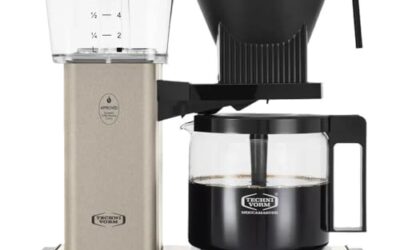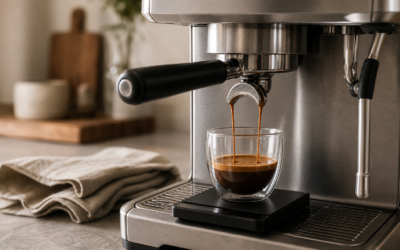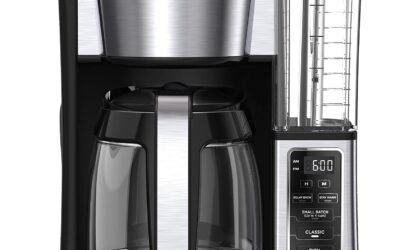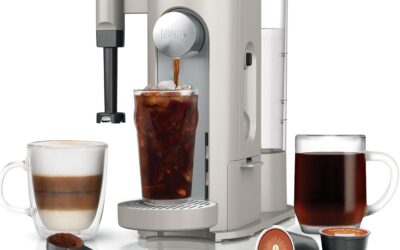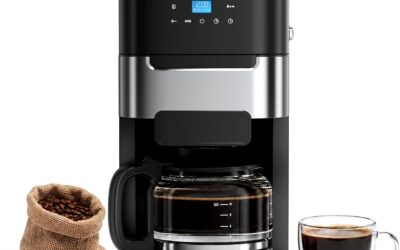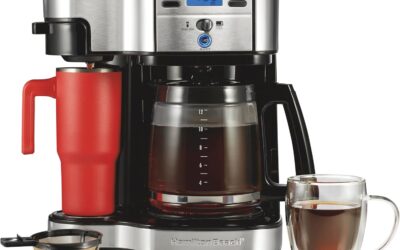

Stale coffee oils and hard water scale quietly degrade the flavor of your morning brew over time. Mastering how to clean a coffee maker restores proper brewing temperatures, clears internal flow channels, and protects heating elements from premature failure. Whether you use a compact brewer from our drip coffee makers selection or a shared household brewer, regular maintenance keeps your daily cups tasting balanced and clean.
Coffee equipment operates under constant heat and moisture, which creates an ideal environment for mineral crusting and organic residue buildup. Understanding the distinction between routine surface sanitizing and internal descaling preserves machine components for 2026 and beyond. Implementing a few disciplined cleaning habits protects your brewing investment and keeps every pot tasting fresh.
1. Distinguishing Coffee Oil Removal from Mineral Descaling
Coffee beans contain organic lipids and oils that deposit across filter baskets, showerheads, and glass carafes after each brew. When exposed to oxygen between cycles, these residues turn rancid and inject harsh, astringent notes into subsequent pots. Removing these sticky oils requires warm water and mild alkaline detergents rather than harsh acid washes.
In contrast, municipal tap water carries dissolved calcium and magnesium ions that solidify under high boiler temperatures. This chalky white crust restricts narrow water tubing, slows brew cycles, and prevents the machine from reaching proper extraction temperatures. Resolving mineral scale requires a dedicated acidic chemical reaction rather than standard dish soap.
2. Selecting the Right Descaling Agent
Household distilled white vinegar provides a widely accessible acidic solution capable of dissolving light calcium carbonate deposits. Mixing equal parts water and vinegar creates a mild acetic acid bath that cuts through common scale inside standard drip pathways. However, vinegar leaves a sharp, lingering aroma that demands extensive rinsing before the machine is ready for brewing again.
Commercial descaling powders and liquids formulated with citric or sulfamic acid offer a faster, odorless alternative for modern brewers. Citric acid dissolves scale efficiently without corroding internal aluminum boilers or degrading flexible silicone water tubes. Checking your appliance manual ensures you choose an acid composition that will not void your manufacturer warranty.
3. Water Hardness and Maintenance Frequency
The mineral density of your local water supply directly dictates how frequently your coffee equipment requires internal descaling. Soft water regions allow users to descale every three to four months with minimal operational risk to internal boilers. Homes supplied with hard well water often require monthly chemical descaling to prevent clogged lines and thermal cutoffs.
High-volume settings like those running the best coffee machine for office environments experience accelerated mineral scaling due to back-to-back brew cycles. Running a simple test strip on your tap water clarifies your baseline hardness in parts per million. Matching your cleaning schedule to your actual water profile prevents emergency repairs and avoids unnecessary chemical wear.
| Water Hardness Level | Mineral Count (PPM) | Descaling Schedule | Primary Risk Factor |
|---|---|---|---|
| Soft Water | 0 to 60 PPM | Every 4 to 6 months | Minimal scale, minor oil buildup |
| Moderate Hardness | 61 to 120 PPM | Every 2 to 3 months | Gradual temperature loss over time |
| Hard Water | 121 to 180 PPM | Every 4 to 6 weeks | Constricted tubing and slow flow rates |
| Very Hard Water | 181+ PPM | Every 2 to 4 weeks | Premature heating element failure |
4. Removable Component Sanitizing and Soaking
Removable parts like filter baskets, dispersion screens, and carafe lids accumulate dark tannin stains along seams and crevices. Submerging these parts in warm water mixed with oxygen-based cleaners dissolves stubborn pigments without requiring abrasive metal pads. Soaking parts for thirty minutes loosens stubborn buildup so a soft sponge can wipe surfaces clean.
Plastic filter holders can warp or develop micro-scratches when subjected to aggressive scrubbing or extreme dishwasher dry cycles. Hand washing with non-scratch microfiber cloths preserves plastic seals and maintains tight alignments between mating components. If you brew with combo appliances like a coffee maker with grinder vs separate grinder, keep grind chutes completely dry during washing.
5. Flushing Cycles and Thermal Protection
Running a descaling agent through your machine breaks mineral bonds, but lingering acid residues will ruin beverage taste if left behind. After running your cleaning solution, discharge at least two to three complete reservoirs of fresh cold water through the unit. This thorough flushing ensures all dissolved minerals and sour chemical traces exit the internal boiler.
Repeated back-to-back flushing cycles can cause internal heating elements to overheat if the appliance lacks adequate rest periods. Allow the brewer to rest with the power switch off for ten minutes between flush cycles. This short pause protects thermal fuses from tripping and extends the operating lifespan of the internal electrical thermostat.
6. Prevention via Filtration and Water Management
Preventative water care substantially reduces the manual labor required to maintain home brewing gear over its lifespan. In-tank carbon charcoal pods absorb municipal chlorine odors, while specialized ion-exchange filter cartridges actively capture dissolved calcium. Replacing these filter cartridges on schedule drastically reduces limescale accumulation within delicate internal delivery conduits.
Emptying stale water from the reservoir at the end of each day prevents stagnant mineral deposits from settling on internal sensors. Leaving the water reservoir lid open after brewing allows circulating air to dry out humid chambers, preventing mildew growth. Simple preventative measures keep machines like the best coffee maker for one person brewing consistently for years.
Why You Should Trust Us
Our editorial approach prioritizes verified appliance engineering standards and manufacturer maintenance documentation over common internet cleaning myths. We examine technical manuals, plumbing schematics, and water chemistry data to present safe maintenance advice for domestic coffee equipment. We do not invent hands-on lab measurements or make exaggerated claims about cleaning transformations.
Our guidance centers on realistic home maintenance workflows that protect your equipment investment while ensuring optimal extraction chemistry. We explain trade-offs between acidic household remedies and commercial cleaning formulations so you can make informed choices. Every recommendation reflects a balanced commitment to appliance longevity, user safety, and clean cup quality.
Final Thoughts
Establishing a dependable cleaning routine changes your daily brewing experience by restoring optimal water temperatures and eliminating bitter stale residues. Rinsing your carafe and brew basket daily removes volatile oils before they can polymerize onto hot surfaces. Meanwhile, executing a scheduled monthly descaling cycle clears internal plumbing lines and keeps electrical components working efficiently.
Travelers and remote workers maintaining compact equipment like the best coffee maker for hotel room setups can rely on simple citric acid packets for portable scale removal. Investing twenty minutes into thorough maintenance clears built-up mineral scale and protects your machine against unexpected mechanical failure. Consistent cleaning ensures your coffee brewer delivers vibrant, aromatically balanced cups every single morning.
FAQs
How often should you learn how to clean a coffee maker in 2026?
Wash the brew basket and carafe with warm soapy water after every brew to eliminate fresh oils. Run an internal descaling cycle with an acid solution every one to three months depending on your home water hardness.
Can you use baking soda to descale a coffee maker?
Baking soda is an alkaline compound suited for scrubbing exterior stains, not for descaling internal plumbing lines. Mineral scale consists of alkaline calcium carbonate, which requires an acidic agent like vinegar or citric acid to dissolve.
Is white vinegar safe for every coffee maker model?
White vinegar works reliably in most standard drip brewers, but its acetic acid can degrade certain silicone seals and rubber gaskets over time. Several manufacturers recommend commercial citric acid descalers instead, so consult your manual before using household vinegar.
Why does coffee still taste sour after descaling?
A persistent sour taste indicates that residual descaling acid remains trapped inside the internal heating chamber or delivery tubes. Run two to three additional full pots of clean, cold water through the machine to completely flush out the cleaning solution.
How do you safely clean a burnt warming plate?
Unplug the brewer and allow the warming plate to cool down completely before touching the surface with any cleaning cloth. Apply a paste of baking soda and water with a non-abrasive microfiber sponge to lift baked coffee stains without scratching the coating.
Does using filtered water eliminate the need for descaling?
Standard carbon filter pitchers eliminate bad odors and chlorine tastes, but they leave dissolved minerals like calcium intact. While filtered water slows down limescale accumulation significantly, periodic descaling is still necessary to keep the heating element clean.
Can coffee maker carafes and brew baskets go into the dishwasher?
Most glass carafes and plastic filter baskets are top-rack dishwasher safe, though sustained high dry temperatures can weaken plastic hinges over time. Hand washing removable components with warm water and mild liquid dish soap extends the life of plastic latches and silicone seals.