
Mineral buildup is an inevitable byproduct of heating tap water inside brewing equipment. When calcium and magnesium precipitate out of solution, they form a hardened crust across heating elements, narrow water lines, and solenoid valves. Restoring flow rate and thermal transfer requires an acidic flush to dissolve these alkaline salts. The two primary options for this maintenance task are standard household white vinegar and purpose-formulated commercial descalers.
While vinegar is inexpensive and readily available in grocery stores, commercial descalers use specific acids engineered to dissolve minerals without degrading internal components. Choosing the wrong solution risks degraded silicone seals, stripped metal platings, and lingering sour tastes in future coffee extractions. Understanding the chemistry, equipment risks, and operational differences between these two fluids ensures your machine maintains proper brewing temperature and water pressure for years.
Understanding limescale and how acids break it down
Tap water contains dissolved mineral ions, primarily calcium carbonate and magnesium carbonate. When heated inside a brewer, these minerals lose solubility and precipitate onto metal thermoblocks, boilers, and heating coils. This layer is known as limescale.
How mineral buildup affects brewing performance
Limescale acts as an insulating barrier over heating elements. In typical drip coffee makers, scale prevents the heating element from transferring thermal energy directly to the water column. Consequently, water fails to reach optimal brewing temperatures between 195°F and 205°F. Under-extracted coffee tastes sour, thin, and hollow.
Scale also narrows internal tubing diameter. Narrower tubing restricts flow rate, forces pumps to work against excess backpressure, and eventually blocks one-way valves. In severe cases, scale flakes break loose and lodge inside fine solenoid orifices or showerheads, causing catastrophic flow failure.
Chemical differences between acetic acid and formulated descalers
Both vinegar and commercial descalers are acids, but their active chemical agents differ significantly in molecular structure and reaction kinetics:
- Household white vinegar: Consists of approximately 4% to 8% acetic acid diluted in water. Acetic acid is a volatile monocarboxylic acid. It breaks calcium carbonate into water-soluble calcium acetate, carbon dioxide, and water. However, its reaction rate against dense mineral scale is relatively slow compared to dicarboxylic or tricarboxylic alternatives.
- Commercial descalers: Typically formulate concentrated citric acid, sulfamic acid, or lactic acid. Sulfamic acid is an aggressive, fast-acting descaling agent that rapidly dissolves scale without generating high vapor pressures. Citric and lactic acids offer strong chelating properties, binding calcium ions into stable, water-soluble complexes without leaving chemical odors.
The case against vinegar: Risks to seals, metals, and taste
Vinegar remains a common home remedy because of low purchase price, but routine use introduces distinct hazards to modern coffee hardware.
Damage to silicone gaskets and rubber seals
Modern coffee makers rely on synthetic rubber gaskets, fluoroelastomers, and silicone O-rings to seal high-pressure junctions, pump fittings, and boiler connections. Acetic acid is an aggressive solvent toward certain elastomers. Over repeated exposures, acetic acid penetrates the polymer matrix, causing swelling, hardening, or micro-cracking of internal seals. Once an O-ring loses elasticity, internal leaks develop, frequently dripping onto underlying electronic logic boards and causing short circuits.
The lingering odor and taste problem
Acetic acid has a low boiling point and high volatility, producing a sharp, pungent vapor. The chemical readily permeates porous plastics, silicone hoses, and rubber gaskets inside the fluid path. Eliminating vinegar odor after a cleaning cycle often requires running five to eight full water reservoirs through the system. If any residue remains trapped in dead legs of the internal plumbing, it contaminates coffee grounds, creating an astringent, vinegary off-flavor in future brews.
Impact on manufacturer warranties
Leading machine manufacturers actively advise against vinegar. Premium brewer makers—such as the engineers behind high-end Moccamaster brewers—and major single-serve manufacturers state in user manuals that running vinegar may void warranty coverage. Diagnostic technicians inspect internal boiler walls and seals; degraded rubber or distinct acetic etching provides clear evidence of unauthorized chemical use.
Commercial descaling solutions: Formulations and benefits
Commercial descaling formulations are engineered specifically for domestic and commercial beverage appliances, balancing scale dissolution with metal preservation.
Citric, lactic, and sulfamic acid mechanisms
Commercial liquid and powdered descalers utilize specific organic and inorganic acids chosen for reaction efficiency:
- Citric acid: A tricarboxylic acid that removes moderate limescale through acid neutralization and chelation. It is odorless, food-safe, and rinses out completely in one or two brew cycles.
- Sulfamic acid: Highly effective against dense, aged limescale. It dissolves scale up to ten times faster than dilute acetic acid, making it the standard choice for professional espresso machines and commercial boilers.
- Lactic acid: Derived from natural fermentation, lactic acid is exceptionally gentle on internal components while breaking down heavy calcium deposits without leaving synthetic residue.
Metal corrosion inhibitors
A critical advantage of engineered descalers is the addition of corrosion inhibitors. Acids do not distinguish between limescale and the bare metal beneath it. Once scale dissolves, bare aluminum, copper, or brass surfaces are exposed to acidic fluid. Formulated descalers incorporate protective compounds that form a microscopic, temporary passivating film over metal surfaces, preventing pitting, galvanic corrosion, and copper leaching.
Direct comparison: Descaler vs vinegar across critical metrics
Evaluating both options across key performance parameters clarifies when each is appropriate:
| Metric | White Vinegar | Commercial Descaler |
|---|---|---|
| Active Chemical | Acetic acid (4–8%) | Citric, sulfamic, or lactic acid |
| Scale Dissolution Speed | Slow; requires prolonged contact | Fast; rapid mineral breakdown |
| Odor and Fumes | Pungent, persistent vapor | Virtually odorless |
| Rinse Requirement | 4 to 8 full reservoir cycles | 1 to 2 fresh water cycles |
| Seal & Gasket Safety | High risk of hardening or swelling | Engineered safe for silicone and rubber |
| Metal Protection | No corrosion inhibitors included | Contains passivating corrosion inhibitors |
| Cost per Treatment | Under $1.00 | $2.00 to $5.00 |
| Warranty Compliance | Frequently voids factory warranty | Compliant with machine instructions |
How to safely descale your brewer: Step-by-step process
Regardless of whether you use a dedicated liquid or powdered descaler, follow an exact operational sequence to prevent airlocks and ensure thorough mineral removal.
Preparation and acid dilution
Empty the machine reservoir, removing any charcoal water filters or pod holders. If using a concentrated liquid descaler, dilute it with lukewarm water according to package directions (typically one part descaler to three parts water). If using powdered acid, dissolve the crystals thoroughly in warm water inside an external vessel before pouring into the reservoir to prevent undissolved grains from clogging intake screens.
Brew cycle and rest period
Place an empty vessel or carafe beneath the brew head. Initiate a brew cycle until approximately half of the acidic solution has passed through the internal heating path into the carafe. Cancel or pause the cycle. Allow the machine to sit idle for 20 to 30 minutes. This dwell time allows the acid to chemically react with and dissolve dense scale inside the boiler, thermoblock, and internal valves without overheating the pump.
Rinsing protocol
Resume the brew cycle to expel the remaining acidic solution. Discard the effluent, which will often appear cloudy or contain mineral flakes. Rinse the water reservoir thoroughly with fresh tap water. Fill the tank to maximum capacity and run two full brew cycles using pure water. This completely flushes dissolved mineral salts and acid traces from internal lines.
Choosing the right method for your specific brewer
Different coffee maker architectures possess varying vulnerabilities to chemical descaling agents.
Drip coffee makers and glass carafes
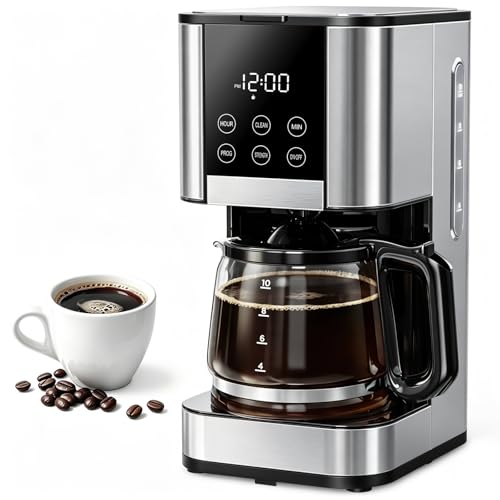
Basic drip brewers with open aluminum heating tubes and simple silicone check valves tolerate mild acids well. While commercial descalers remain ideal, an emergency 1:1 vinegar-to-water dilution can be used if mineral blockage is severe and dedicated descaler is unavailable. However, immediately flush the system with at least four full reservoirs of fresh water to prevent morning brews from souring.
Single-serve and pod machines
Systems categorized under pod coffee machines and Keurig coffee makers utilize high-pressure vibratory pumps, narrow internal needle jets, and small solenoid valves. In these compact fluid paths, vinegar poses significant risk: loose scale fragments can jam small needle pathways, and acetic vapor degrades delicate flow meters. Always use non-foaming citric or sulfamic descaling products for single-serve hardware.
High-end espresso machines and thermoblocks
Espresso machines equipped with brass boilers, nickel-plated heat exchangers, or aluminum thermoblocks must never be cleaned with household vinegar. Acetic acid corrodes brass and leaches minerals from aluminum alloy blocks, leading to expensive mechanical failures. Use exclusively manufacturer-recommended descaling solutions formulated with dedicated metal inhibitors to preserve machine longevity and maintain strict pressure stability.

Pros
- Universal compatibility across multiple brewer brands
- Four total cleaning cycles per two-pack
- Concentrated formula uses four ounces per cycle
- Manufactured in the USA
Cons
- Lacks a built-in dosage measuring cap
- Requires multiple water rinses to clear residue
- Unscented liquid requires careful handling during pouring
Specifications
| Size | 8 Fl Oz (Pack of 2) |
|---|---|
| Weight | 1.2 pounds |
| Product Group | Kitchen |
| Binding | Kitchen |
Verify the current product variation before purchase; specifications may change.
Detailed Review
What stands out in the currently available product data:
- Provides four complete descaling sessions across two 8-ounce bottles
- Universal formula works safely with drip, espresso, pod, and capsule brewers
- Breaks down stubborn limescale and mineral deposits to protect internal heating elements
- Restores proper water flow rate and consistent brewing temperatures
- Concentrated formulation requires just four ounces of solution per application
- Manufactured in the USA for dependable routine appliance maintenance
Best For / Avoid If
Best for buyers prioritizing
- Universal compatibility across multiple brewer brands
- Four total cleaning cycles per two-pack
- Concentrated formula uses four ounces per cycle
Consider another option if
- Lacks a built-in dosage measuring cap
- Requires multiple water rinses to clear residue
- Unscented liquid requires careful handling during pouring

Pros
- Pre-measured tablets prevent spills and guesswork
- Universal compatibility across major machine brands
- Large 24-tablet supply offers long-term coverage
- Simple drop-in brew and rinse routine
Cons
- Tablets require complete dissolution before starting cycle
- Requires multiple water flushes to clear residue
- Fixed dosing offers less flexibility for small reservoirs
Specifications
| Color | White |
|---|---|
| Size | 1 Count (Pack of 24) |
| Dimensions | 1 x 1 x 0.5 inches |
| Weight | 0.6875 Pounds |
| Product Group | Kitchen |
| Binding | Tools & Home Improvement |
Verify the current product variation before purchase; specifications may change.
Detailed Review
What stands out in the currently available product data:
- Pre-dosed tablets eliminate messy measuring and accidental liquid spills
- Generous 24-count pack supplies up to two years of routine monthly cleanings
- Universal formula safely cleans drip coffee pots, espresso units, and single-serve pod brewers
- Breaks down stubborn limescale and calcium buildup to help restore proper brew temperature
- Clears rancid coffee oil residues to preserve clean cup flavor and water flow rate
- Simple maintenance workflow requires just one cleaning cycle followed by fresh water flushes
Best For / Avoid If
Best for buyers prioritizing
- Pre-measured tablets prevent spills and guesswork
- Universal compatibility across major machine brands
- Large 24-tablet supply offers long-term coverage
Consider another option if
- Tablets require complete dissolution before starting cycle
- Requires multiple water flushes to clear residue
- Fixed dosing offers less flexibility for small reservoirs