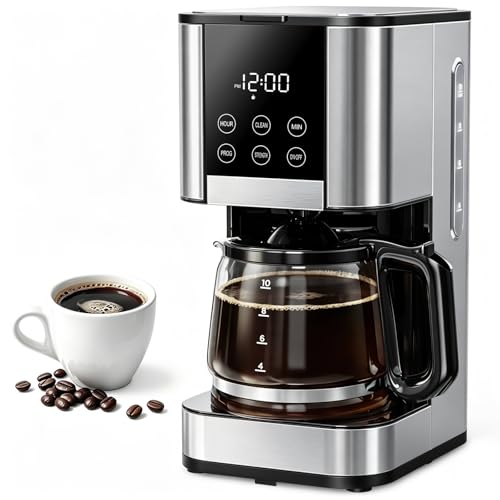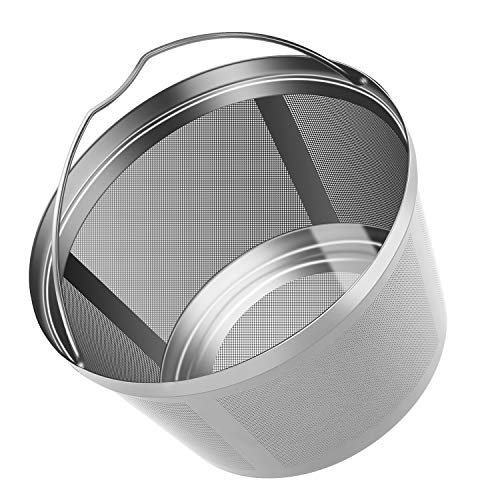

Coffee for a moka pot must be ground appropriately for the pot and used according to its safety instructions. Whole beans let you adjust the grind yourself; a moka-specific ground version is more convenient without a grinder. An espresso label alone does not prove the grind is suitable. This guide recommends coffee ingredients, not moka pots disguised as coffee recommendations.
Distinguish moka coffee from pump espresso
A stovetop moka pot is not a pump espresso machine. It uses its own heating and flow arrangement, and a recipe from a pressurized portafilter should not be transferred without considering that difference. Buying a bag marketed for espresso can still be reasonable when it contains whole beans that you grind for the pot.
The critical distinction is between the bean and its ground format. A roaster’s espresso blend is not automatically limited to one brewing device. A pre-ground espresso product, however, may be too fine for the instructions supplied with your moka pot. Check the grind recommendation rather than relying on the blend name or a picture of an espresso cup.
Choose a roast you will enjoy in a concentrated drink
Some moka drinkers prefer a pronounced roast character, especially when adding milk. Others want a gentler roast with a different balance of flavor. There is no need to claim that the darkest available bag is the only authentic choice. Try a modest amount first and judge the result with the way you normally serve the drink.
The three whole-bean options below illustrate a blend, another medium-dark option and a decaffeinated alternative. They are not identical coffees and have not been blindly ranked by this site. If you cannot grind at home, use the options as a format checklist and look for a suitable ground variant rather than putting intact beans in the funnel.
Fill and handle the pot according to its manual
Use the water level and coffee-basket instructions supplied with your exact model. Do not cover the safety valve with water, and do not tamp the coffee into a compressed espresso puck. Do not add accessories, reduce flow deliberately or change the pot’s safety components as a way to troubleshoot flavor.
Inspect the gasket, filter and valve before use, and stop if the pot behaves abnormally. An espresso-like grind adjustment is not a substitute for checking a damaged or blocked component. Allow the pot to cool safely before opening it. Never try to force open a hot, pressurized brewer just to inspect the grounds.
Adjust preparation without chasing a universal timer
Pot size, stove, starting water conditions and coffee all influence the brew. A time quoted for another person’s setup is not a safety specification for yours. Start from the manual and keep your procedure repeatable. If a change improves flavor, record it alongside the coffee and pot size rather than declaring it a universal rule.
Change only one preparation variable at a time and stay within the manufacturer’s instructions. If the drink tastes too intense, dilution after brewing can help distinguish concentration preference from a problem you might otherwise blame on the beans. Dilution is a serving adjustment; it does not turn moka coffee into pump espresso or demonstrate a particular extraction percentage.
Buying checks and manufacturer guidance
Check the bag’s format, net weight and whether it is decaffeinated before paying. Whole bean and ground variants can have nearly identical artwork. A larger bag is not automatically better value if it exceeds your realistic use. Keep the remaining coffee sealed and dry, and do not repeatedly expose the whole bag to steam near the stove.
For the essential no-tamping distinction, see Bialetti’s moka-ground coffee guidance and the manual supplied with your pot. The machine manual takes priority over a general shopping article. If you are comparing brewers rather than buying coffee, use the Moka Pots category instead.
Coffee options and what they actually contain
These are ingredient choices, not coffee makers. Product identity and format were checked using the Amazon Creators API on October 12, 2026. We have not performed a controlled blind tasting of these products. The shortlist illustrates different buying priorities rather than establishing an objectively best flavor or a guaranteed match for every machine.
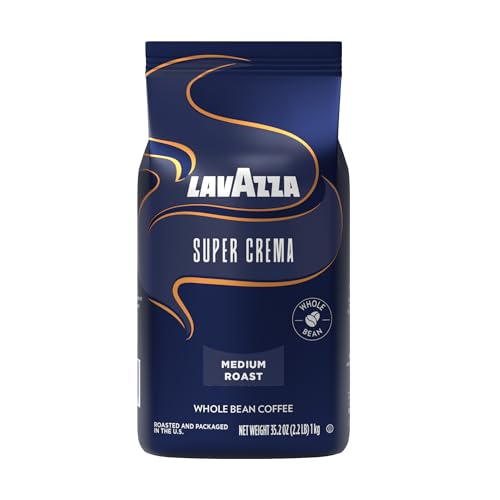
Lavazza Super Crema is listed as whole-bean coffee, an Arabica and Robusta blend, in a 2.2-pound bag. Consider it when you want to grind at home and will consume a larger bag reasonably promptly. The espresso description is a roast and marketing designation, not a restriction that prevents another brewing method. It also does not mean the beans arrive already ground for espresso.
Gaviña Old Havana is listed as whole-bean, medium-dark roast coffee in a 32-ounce bag. It offers another larger-bag option for someone who already has a suitable grinder. The product description associates it with espresso and moka preparation; that is a use suggestion, not independent evidence of better extraction or taste. Choose the roast style according to your own preferences.
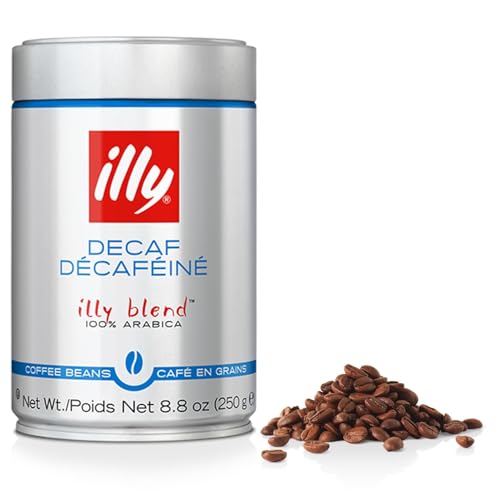
Illy Decaf is listed as whole-bean, classic medium-roast coffee in an 8.8-ounce package. It is the decaffeinated option here and a smaller package to consider when regular coffee is not your preference. Decaffeinated does not mean completely caffeine-free. Check the current manufacturer information if caffeine intake is a medical concern, rather than treating this guide as a health recommendation.
Pros
- 2.2 lb whole-bean bag
- Arabica and Robusta blend
- Medium espresso roast
- Single-shot brewing guidance
- Coffee-only ingredients
Cons
- Requires a separate grinder
- Espresso-focused preparation
- Package may vary
Specifications
| Color | Multi |
|---|---|
| Size | 2.2 Pound (Pack of 1) |
| Dimensions | 5.51 x 3.15 x 14.96 inches |
| Weight | 2.2 Pounds |
| Product Group | Grocery |
| Binding | Kitchen |
Verify the current product variation before purchase; specifications may change.
Detailed Review
What stands out in the currently available product data:
- Whole beans let you grind fresh for each espresso brew
- Arabica and Robusta blend brings naturally occurring caffeine
- Medium roast is described as full-bodied with a creamy finish
- 2.2 lb bag suits regular brewing and reduces repurchasing
- Sourced from 15 coffee-growing countries
- Single-shot guide specifies 0.28 oz grounds for a 1 oz shot
Best For / Avoid If
Best for buyers prioritizing
- 2.2 lb whole-bean bag
- Arabica and Robusta blend
- Medium espresso roast
Consider another option if
- Requires a separate grinder
- Espresso-focused preparation
- Package may vary

Pros
- 100% Arabica beans
- Two-pound bulk bag cuts reorder frequency
- Suited to espresso machines and moka pots
- Roasted and packed in Los Angeles
- Ethical sourcing through Direct Impact Initiative
Cons
- Needs a grinder for peak flavor
- Large bag can stale for solo or occasional drinkers
- Subtle citrus notes may divide dark-roast loyalists
Specifications
| Size | 32 Ounce (Pack of 1) |
|---|---|
| Dimensions | 3.35 x 4.92 x 8.25 inches |
| Weight | 1.998708492 pounds |
| Product Group | Grocery |
| Binding | Grocery |
Verify the current product variation before purchase; specifications may change.
Detailed Review
What stands out in the currently available product data:
- Two-pound bag keeps daily espresso drinkers stocked and cuts reorder frequency
- 100% Arabica beans roasted medium-dark for a nutty, sweet cup with subtle citrus notes the roaster describes as smooth and balanced
- Whole bean format lets you grind per shot, protecting aroma and giving you control over extraction
- Blended to work in espresso machines, moka pots, and other specialty brewers
- Roasted, blended, and packed at a zero-waste-to-landfill facility in Los Angeles
- Sourced under Gaviña's Direct Impact Initiative, tying your purchase to ethical sourcing and sustainability programs
Best For / Avoid If
Best for buyers prioritizing
- 100% Arabica beans
- Two-pound bulk bag cuts reorder frequency
- Suited to espresso machines and moka pots
Consider another option if
- Needs a grinder for peak flavor
- Large bag can stale for solo or occasional drinkers
- Subtle citrus notes may divide dark-roast loyalists
Pros
- 100% Arabica whole beans
- Medium roast
- Decaffeinated
- Listed caramel and chocolate notes
- Suitable for fresh grinding
Cons
- Small 8.8-ounce package
- No decaffeination method specified
- No brewing or roast-date details provided
Specifications
| Color | Decaffeinated |
|---|---|
| Size | 8.8 Ounce (Pack of 1) |
| Dimensions | 4 x 5 x 2 Inches |
| Weight | 0.55 pounds |
| Product Group | Grocery |
| Binding | Grocery |
Verify the current product variation before purchase; specifications may change.
Detailed Review
What stands out in the currently available product data:
- Whole beans let you grind fresh for your brewing method
- Medium roast offers a balanced option for everyday brewing
- Listed caramel, toasted bread, and chocolate notes set flavor expectations
- 100% Arabica composition suits shoppers seeking an Arabica blend
- Decaffeinated beans make it an option for coffee without regular caffeine
- Compact 8.8-ounce package works for occasional decaf brewing
Best For / Avoid If
Best for buyers prioritizing
- 100% Arabica whole beans
- Medium roast
- Decaffeinated
Consider another option if
- Small 8.8-ounce package
- No decaffeination method specified
- No brewing or roast-date details provided
Compare value without relying on a headline price
Compare cost per ounce or gram, not bag price alone. A bigger bag can have a lower unit price but be poor value if much of it goes stale before use. Delivery charges, subscriptions, seller changes and pack quantities can reverse an apparent bargain. Review the current listing before ordering; no price quoted elsewhere on this site should be treated as a permanent offer.
Buy a manageable amount first and keep notes about the exact coffee and preparation you tried. Record the bag format, your grinder adjustment, dose and water amount alongside a short taste description. An adjustment that helped one roast may not suit the next. Store coffee sealed, dry and away from heat and strong odors, and follow the package guidance for handling and use.
Questions before you order
Does whole bean work without a grinder? Not directly: the coffee must be ground before brewing. If you do not own a grinder, buy an appropriate ground version or ask a roaster to grind for your brewing method. Do not put whole beans into a filter basket intended for grounds.
Does an espresso label guarantee compatibility? No. The actual format, grind and your brewer’s instructions matter more than the word espresso on a bag. These listings contain coffee rather than capsules, so they are not drop-in replacements for sealed pods. Check the variant and pack size at checkout, since similarly named products can be sold in different forms.