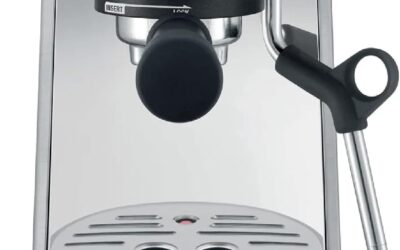

The Gaggia Classic Pro sits where pod machines end and real espresso begins, which is why it remains one of the most argued about machines in home coffee. A 58mm commercial style portafilter, nine bar extraction, and a solid steel housing make a serious promise. The fair question in 2026 is whether that hardware still justifies the learning curve for a first time buyer.
This review stays narrow on purpose: 1 machine, followed from the spec sheet through daily workflow to long term care. We separate what the manufacturer documents from what ownership will actually demand of you. If you would rather compare several models side by side, our roundup of the best home espresso machines is the better starting point.
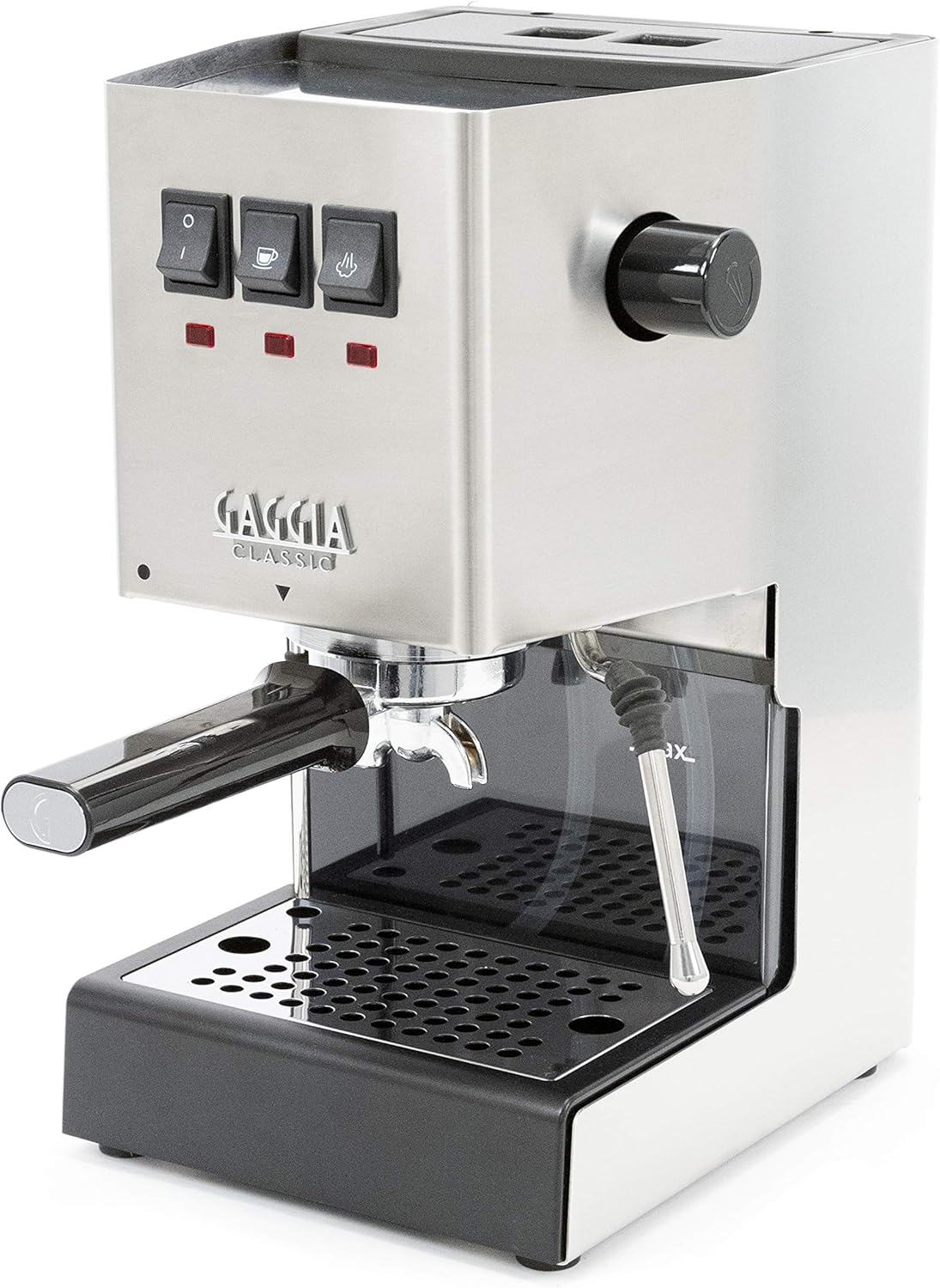
Pros
- 9-bar extraction
- Commercial 58mm portafilter
- Manual milk texturing
- ESE pod compatibility
- 2.1-liter water reservoir
Cons
- Requires hands-on brewing technique
- Manual steaming adds workflow time
- Compact footprint limits cup clearance
Specifications
| Other Special Features of the Product | 9 Bar Extractions, Commercial Components, Made in Italy, Self Serviceable, Steel Housing |
|---|---|
| Coffee Maker Type | Espresso Machine |
| Specific Uses For Product | Espresso |
| Recommended Uses For Product | Brewing Espresso, ESE Pods, Entertaining, Frothing Milk, Latte Art |
| Operation Mode | Semi-Automatic |
| Wattage | 1200 watts |
| Voltage | 120 |
| Human Interface Input | Buttons |
| Output Pressure | 9 bar |
| Coffee Input Type | ground, pod |
Verify the current product variation before purchase; specifications may change.
Detailed Review
What stands out in the currently available product data:
- 9-bar extraction supports controlled espresso brewing
- Commercial-style 58mm portafilter accommodates single and double baskets
- Commercial steam wand enables textured milk for lattes and cappuccinos
- Pressurized basket supports pre-ground coffee and ESE pods
- 2.1-liter reservoir reduces frequent refilling
- Steel housing and made-in-Italy construction add a substantial feel
Best For / Avoid If
Best for buyers prioritizing
- 9-bar extraction
- Commercial 58mm portafilter
- Manual milk texturing
Consider another option if
- Requires hands-on brewing technique
- Manual steaming adds workflow time
- Compact footprint limits cup clearance
Each documented feature on this machine touches a different part of the routine, from the first warmup to the last knock of the puck. The table below gathers the hardware and translates it into what actually changes for you.
| Documented Feature | What It Means for You |
|---|---|
| Solid steel housing, made in Italy | A rigid frame that stays planted while you work the portafilter |
| 9 bar espresso extraction | Matches the pressure range the coffee industry treats as the espresso standard |
| 58mm stainless steel commercial portafilter | Access to the commercial accessory ecosystem cafes already use |
| Commercial three way solenoid valve | Relieves pressure after each shot, so cleanup stays tidy |
| Commercial steam wand | Steam aimed at silky microfoam for milk drinks |
Build Quality and the Steel Housing
A solid steel housing does more than look serious on the counter. Mass and rigidity keep the machine planted when you lock a loaded portafilter into the group head, and they cut down on the flex and rattle lighter bodies develop over time. That stability shapes how the machine feels hundreds of mornings in a row.
Made in Italy is a manufacturer claim, and its practical value lives in the parts ecosystem rather than the cup. Brushed stainless panels also tend to shrug off daily handling better than glossier finishes. Neither point changes extraction, but both shape how the machine ages in your kitchen.
Nine Bars and the Reality of Extraction Pressure
The manufacturer describes this machine as pulling shots at nine bars, which matches the pressure range the specialty coffee world treats as the espresso standard. Retail boxes often advertise fifteen or twenty bar pumps, but those numbers describe pump ceiling, not what the coffee bed should see. Nine bars is the target, not a compromise.
Pressure is also the lever you adjust least, and it is rarely the reason a shot disappoints. Grind size, dose, and temperature do the heavy lifting, so a sour shot usually wants a finer grind rather than more force. Judge this machine on its control points, not its pump number.
The 58mm Portafilter and Your Accessory Plan
A 58mm portafilter is the commercial standard, and that single spec quietly shapes everything around the machine. Tampers, distribution tools, precision baskets, and dosing funnels are all easy to find in this size because cafes use it too. Upgrades never require hunting for odd diameters.
Check which baskets ship in the box, because contents vary by model year. Pressurized baskets ease the learning curve, while straight wall baskets reward a good grinder with fuller flavor. A precision basket is the upgrade most owners plan for once their technique settles.
Dose consistency matters as much as any accessory you add. A reliable scale like the models in our espresso brewing scale guide turns guesswork into repeatable shots. It costs far less than most machine upgrades too.
The Commercial Steam Wand and Milk Texture
The manufacturer built the steam wand to texture milk into the velvety microfoam that latte art requires. Commercial style wands generally move more steam than hobbyist wands, which means faster texturing and a shorter window to learn the technique. Expect a few messy pitchers before the results click.
Machines in this class typically heat one boiler for both brewing and steaming, so plan the routine as pull the shot first, then steam. A pitcher sized for one or two drinks, like the picks in our latte art pitcher guide, makes the steering motion far easier to control.
The Three Way Solenoid Valve and Daily Cleanup
A three way solenoid valve vents leftover pressure away from the coffee bed once the shot ends. In practice that means a drier puck, a portafilter that does not slop liquid across the counter when you knock it out, and less dripping after the pour. It is the kind of feature you stop noticing until you meet a machine without one.
Cleanup is where entry level machines usually lose their appeal, and this valve attacks exactly that problem. Knock out the puck, wipe the wand, empty the tray. The daily routine stays short enough to actually happen.
Workflow, Warmup and the Real Cost of Ownership
Espresso at nine bars asks for precision, and precision starts with the grinder. A capable burr grinder is effectively required equipment for straight wall baskets, and skipping it is the most common reason buyers blame the machine for weak shots. Our coffee grinders category is the natural next stop before you order.
The machine itself is only part of the bill once you add a scale, a pitcher, cleaning supplies, and descaler. Water hardness decides how often descaling is needed, and hard water shortens the life of any boiler. Budget for consumables the same way you budget for beans, because they never stop.
Why You Should Trust This Review
We apply the same method to every espresso machine on this site, and it starts with separating documented fact from marketing language. Specifications like the 58mm portafilter, the nine bar extraction, and the three way solenoid valve come from the manufacturer’s description, while every judgment about workflow and fit is our editorial read. When a claim such as prosumer quality cannot be measured from a spec sheet, we say so.
We also weigh the parts of ownership that spec sheets ignore: maintenance routines, accessory costs, and the learning curve of manual machines. Our conclusions stay conditional on who is buying, because a machine that rewards a hobbyist can exhaust someone who wants a button. That tradeoff framing, not brand loyalty, drives every verdict here.
Final Thoughts: Who This Machine Is For
For readers ready to learn hands on espresso, the Gaggia RI9380/46 E24 Espresso Machine is our overall pick from this review. Its 58mm commercial portafilter, nine bar extraction, and three way solenoid valve form the same foundation a cafe machine builds on, which means your skills set the ceiling rather than the hardware. That is exactly what a first serious machine should do.
As a value case, it bundles hardware that usually lives a tier higher in this category, including the solenoid valve and the commercial style portafilter. The tradeoff is labor: grinding, dosing, tamping, and steaming are all on you. If your mornings depend on one button, our guide to automatic espresso machines covers the hands off alternatives.
For milk drink fans, this is also our specific use pick, because the commercial steam wand is the strongest reason to choose it over pod machines or entry level combos. Pair the Gaggia RI9380/46 E24 Espresso Machine with a burr grinder and a proper pitcher, and you have a latte setup that grows with your technique. Skip it only if you will never touch a tamper, because this hardware deserves better than a daily fight.
Frequently Asked Questions
Is the Gaggia Classic Pro a good first espresso machine in 2026?
It is one of the strongest first machines you can pick, because its commercial style components teach good habits instead of masking them. The condition is commitment: you need a separate grinder and a willingness to practice. If you want coffee at the press of a button, a super automatic fits better.
Does the Gaggia Classic Pro come with everything you need to start brewing?
The machine arrives with its portafilter, but a complete setup also needs a burr grinder, a scale, a milk pitcher, and cleaning supplies. Contents vary by model year, so check the packing list before ordering. Treat the machine as the anchor of a small system rather than the whole system.
Can the Gaggia Classic Pro steam milk well enough for latte art?
The manufacturer built the wand for velvety microfoam, which is the texture latte art depends on, so the hardware is not the bottleneck. Technique, milk temperature, and pitcher shape decide the outcome, and those take a few weeks to settle. Our Barista Accessories category collects the tools that shorten that learning curve.
What does the three way solenoid valve actually do?
After a shot ends, the valve releases pressure from the coffee bed and routes it to the drip tray. You get a drier puck, less dripping, and a portafilter that will not spray grounds when you knock it out. It is a commercial feature that makes daily cleanup noticeably less messy.
Is nine bars of pressure enough for real espresso?
Nine bars is the pressure range the coffee industry has long treated as the espresso standard, and it is what most cafe machines deliver at the puck. Higher numbers on retail boxes describe pump ceiling rather than extraction. If shots taste off, adjust grind and dose before worrying about pressure.
Why do some listings say Gaggia Classic Evo Pro instead of Classic Pro?
Gaggia has refreshed the Classic line across production runs, and the naming has shifted with it, including the Evo Pro designation used for the model reviewed here. The reliable move is to compare model numbers and feature lists rather than the name on the box. The unit covered in this review carries the RI9380/46 designation.
Who should skip the Gaggia Classic Pro entirely?
Skip it if espresso is a drink you want rather than a process you enjoy. Grinding, dosing, tamping, and steaming take real minutes every day, and the machine will not hide sloppy technique. Pod machines and super automatics exist precisely for households that value speed over involvement.
What maintenance keeps an espresso machine like this running for years?
Rinse the portafilter after each session, wipe the steam wand immediately after steaming, and empty the drip tray before it overflows. Descaling intervals depend on your water hardness, so follow the manual for the schedule and use the products it recommends. Consistent care protects the boiler, and the boiler is the machine.